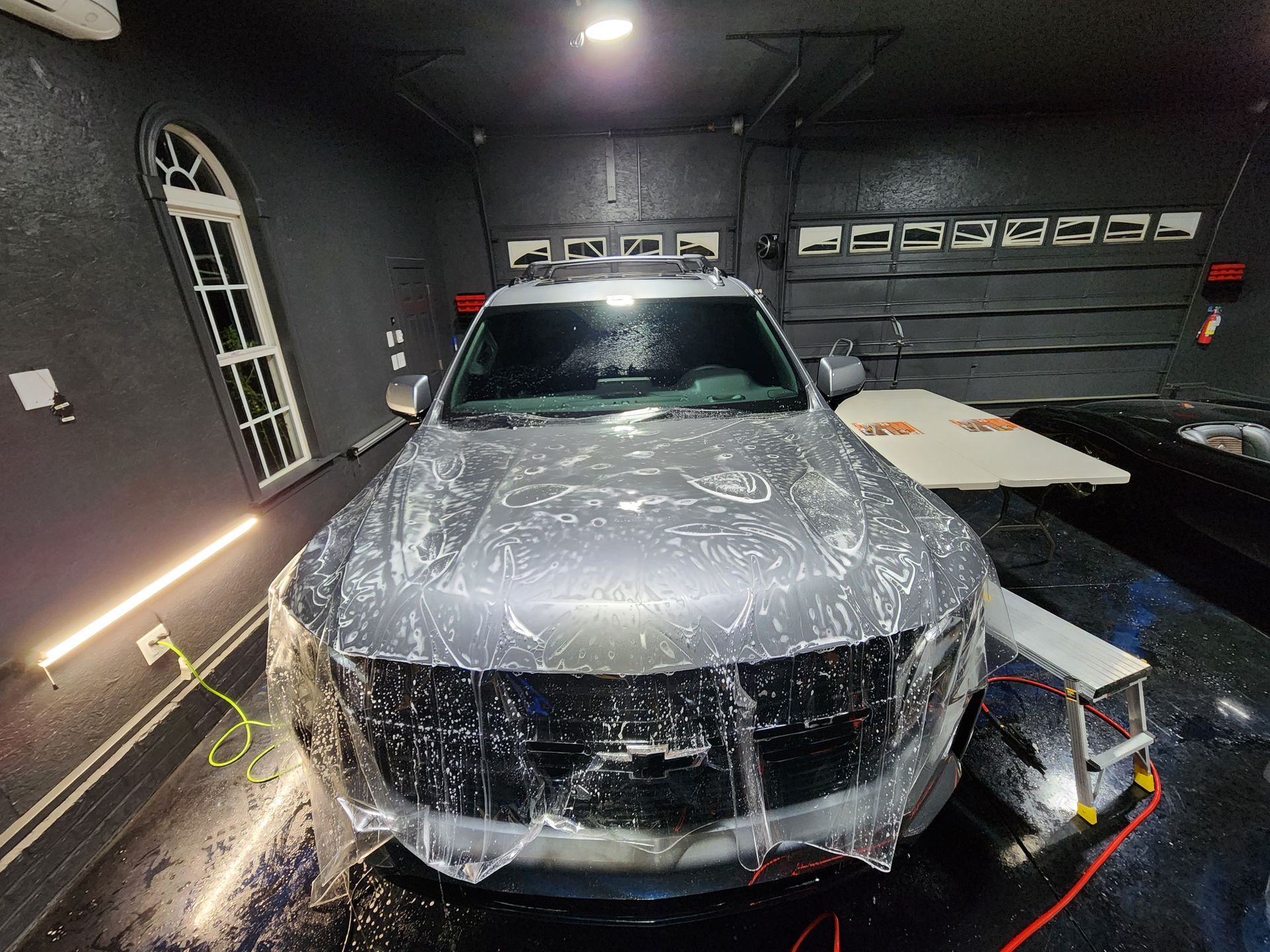
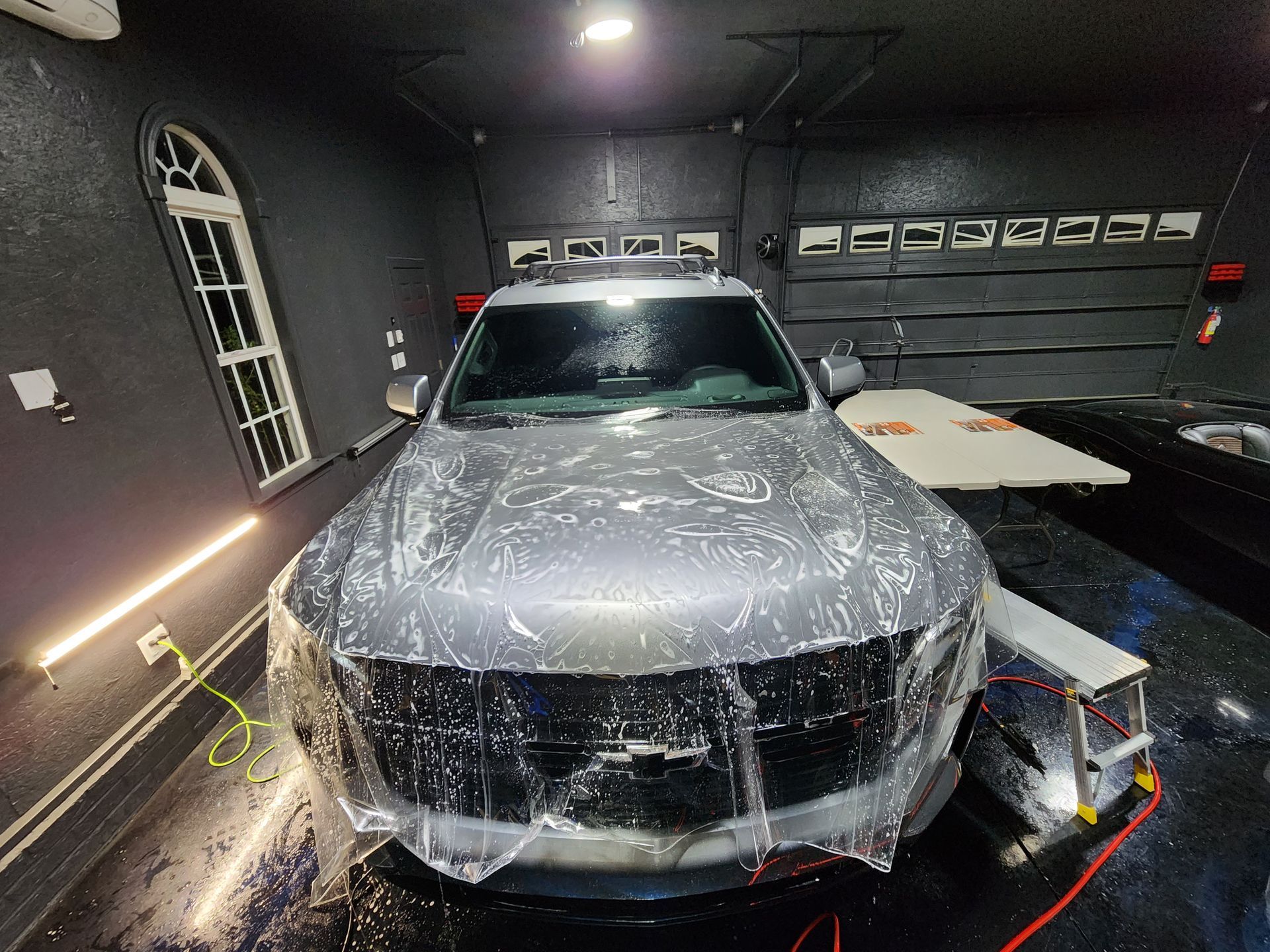
How PPF Protects Your Car From Road Salt, Gravel, and Debris: Benefits of Paint Protection Film
Your car's paint faces real challenges every day, from tiny rocks kicked up on the highway to harsh chemicals spread on winter roads. Many drivers do not realize how quickly these small threats accumulate, leading to scratches, chips, and rust that affect both appearance and value. Paint Protection Film (PPF) is a clear, durable shield that guards your vehicle against these hazards quietly and consistently. Here is a closer look at what this protective layer is, how it works, and why it is worth considering.
Paint Protection Film acts as a transparent, impact-absorbing barrier that prevents chips and scratches from gravel and road debris. It shields the surface from corrosive road salt to reduce rust and oxidation during winter months, and its self-healing properties help minor scratches disappear to keep your vehicle looking its best.
What Is Paint Protection Film (PPF)?
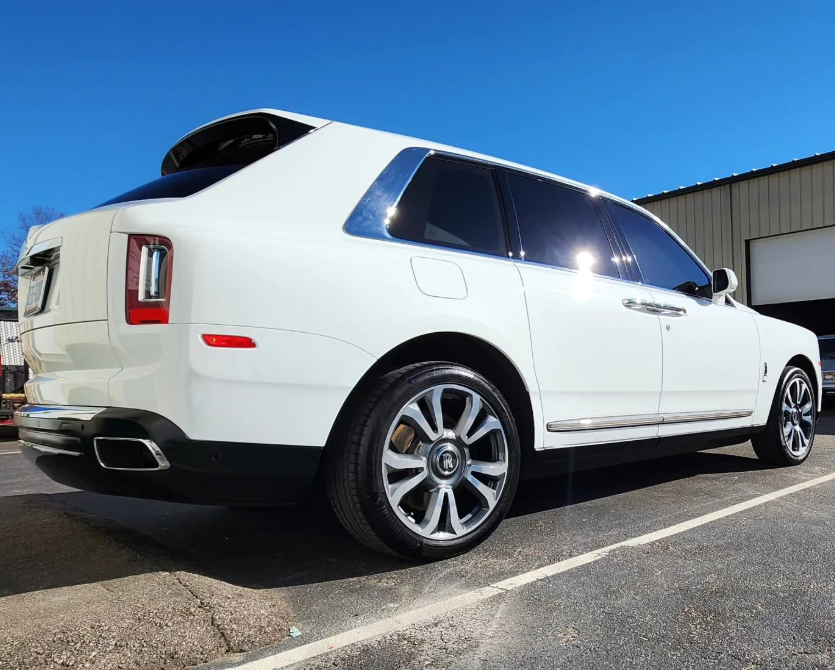
Paint Protection Film, also known as PPF or clear bra, is a high-performance protective layer made from thermoplastic urethane, a material valued for its combination of flexibility and physical strength. Applied over your vehicle's exterior surfaces, it forms a nearly invisible shield that absorbs small impacts from rocks and road debris while resisting the scratches that would otherwise damage your paint over time.
One of PPF's most valued features is its self-healing capability. Minor surface scratches disappear when the film is exposed to heat, either from sunlight or a warm cloth applied gently to the surface. This keeps your finish looking clean and intact far longer than unprotected paint and reduces the need for correction work down the road.
Leading brands including XPEL, SunTek, Optical Defense, and LEGEND combine optical clarity with physical toughness. Professionally applied PPF from a certified installer typically delivers reliable protection for seven to ten years with proper care and clean adhesion that resists bubbling or edge lifting.
| Feature | Description |
|---|---|
| Material | Thermoplastic Urethane |
| Lifespan | 7 to 10 years |
| Self-Healing | Yes, activated by heat exposure |
| UV Resistance | High; resists fading and yellowing |
| Transparency | High; maintains original paint appearance |
| Common Brands | XPEL, SunTek, Optical Defense, LEGEND |
Beyond blocking physical impact, PPF resists corrosive road salt, bird droppings, and tree sap that can permanently stain unprotected paint. That broad protection reduces long-term maintenance demands and is why many drivers view PPF as a practical investment in their vehicle's longevity.
How PPF Shields Your Car?
PPF's most important role for many drivers is protection against road salt. Salt keeps winter roads safe but is corrosive to painted metal. Without a barrier in place, it works into minor cracks and surface pores in the paint and metal beneath, steadily accelerating rust and deterioration. PPF's non-porous surface blocks that contact, providing a reliable shield through the months when road treatment is heaviest.
Gravel and road debris present a different but equally real risk. At highway speeds, small stones and sand strike your car's surface with enough force to chip through the clear coat and into the paint layer beneath. Those chips leave visible damage and create entry points for rust over time. PPF absorbs those strikes in place of your paint, handling repeated daily contact without showing lasting damage. Drivers who invest in PPF consistently report far fewer stone chips on high-impact areas like the front bumper and hood.
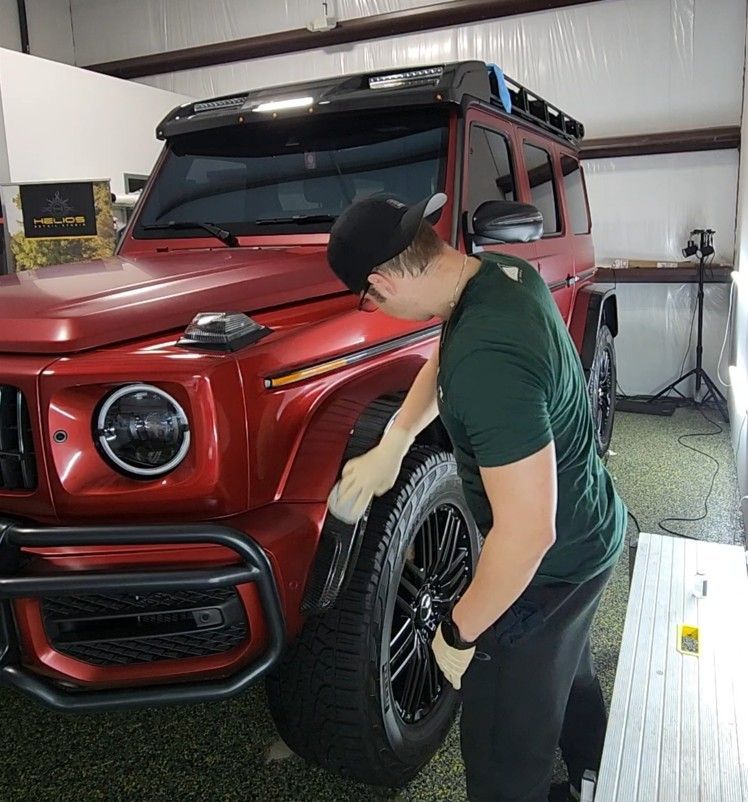
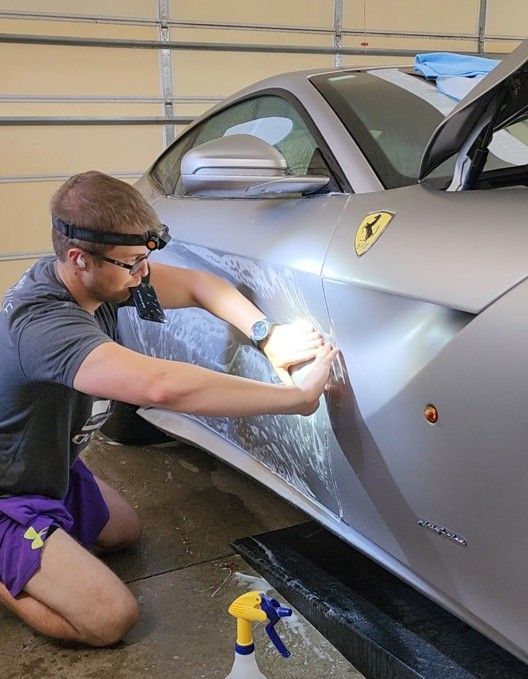
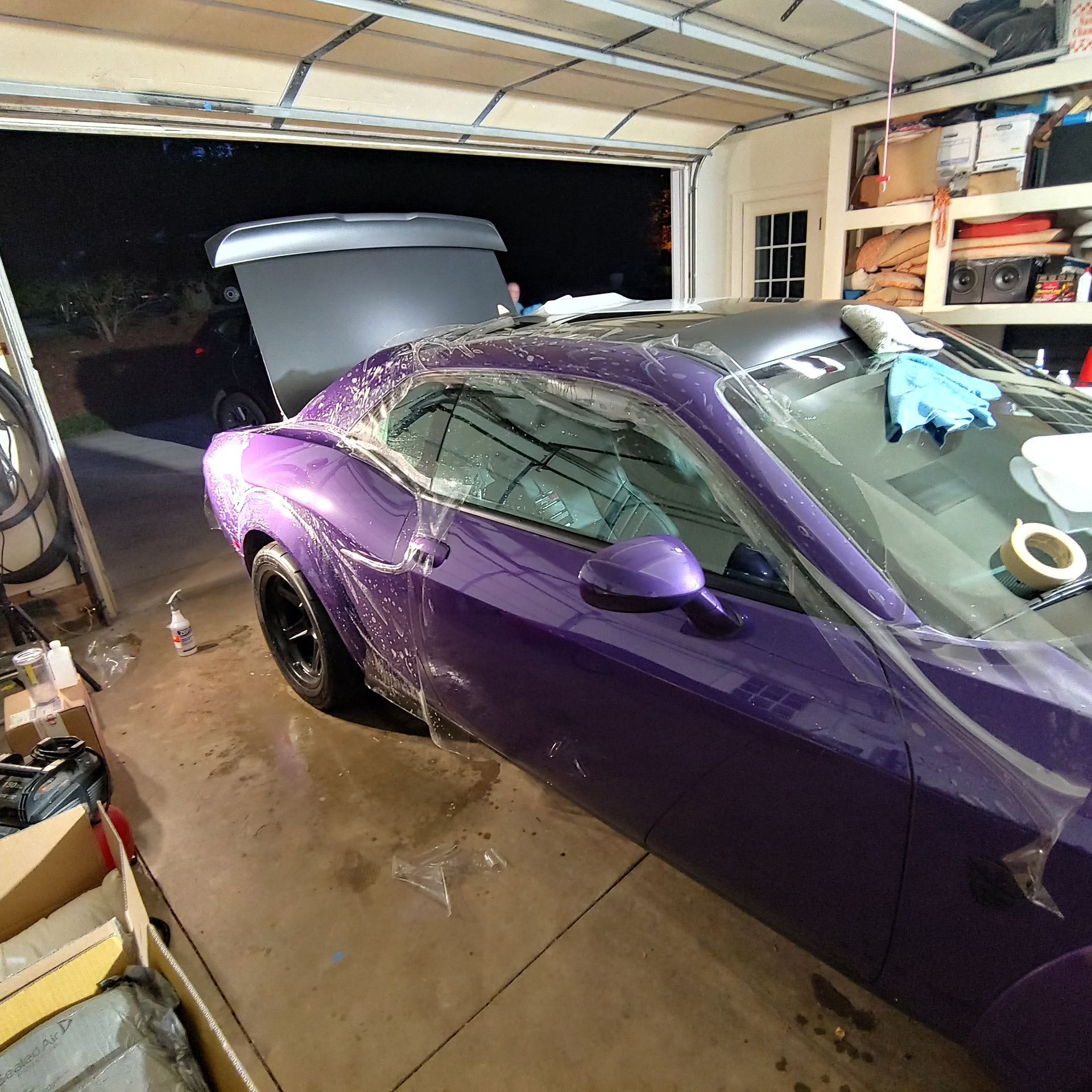
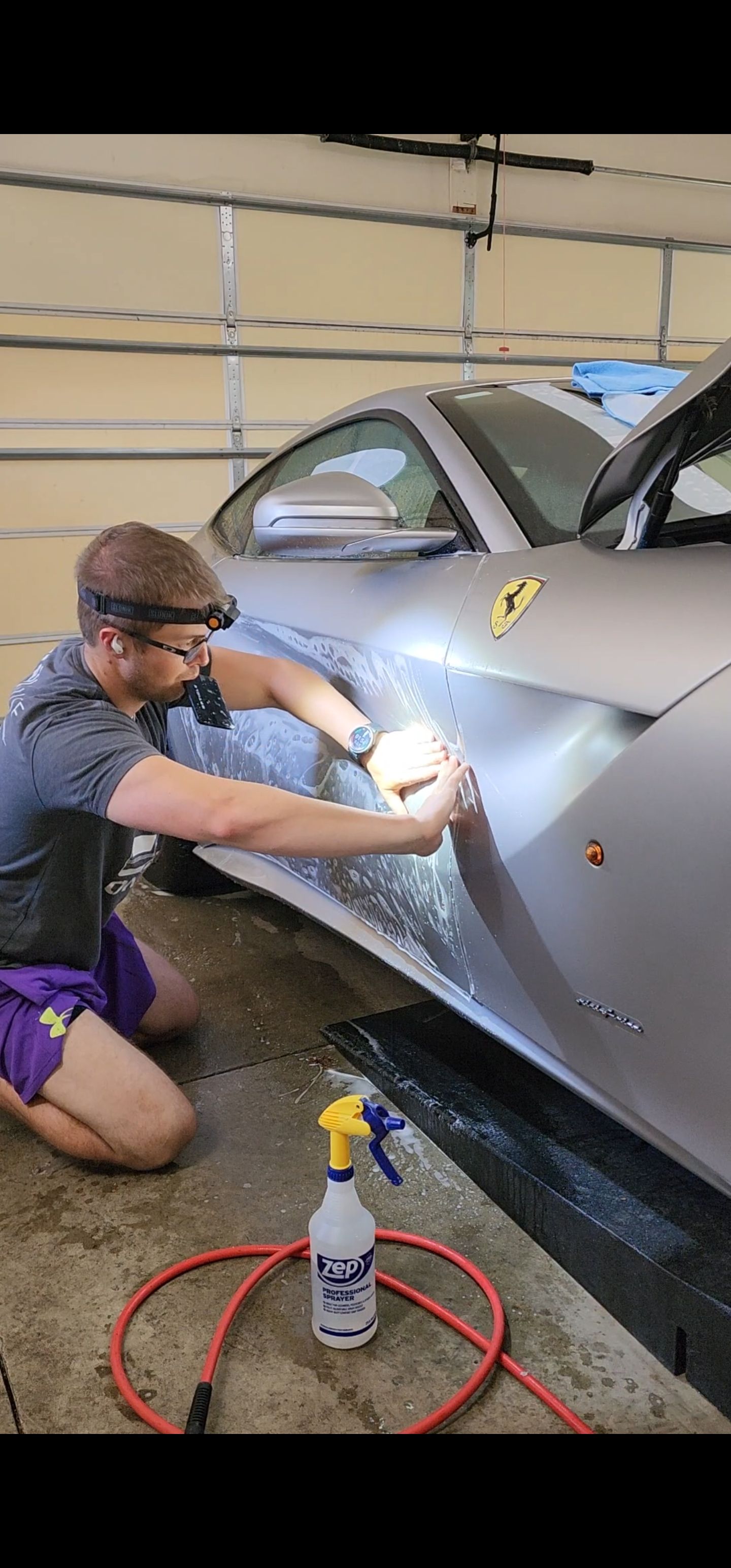
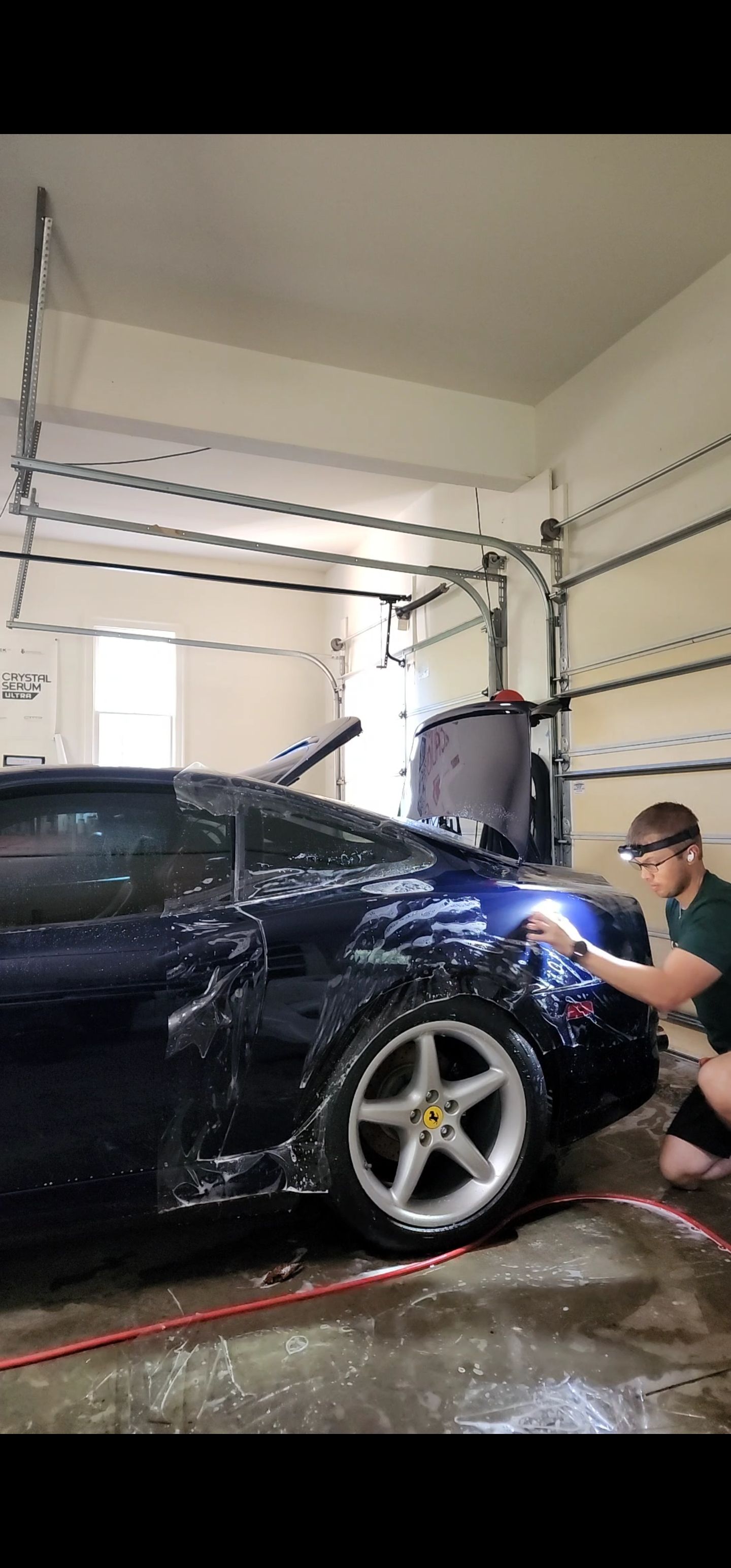
Professional installation is essential to getting the full benefit from the film. Poor application can produce lifted edges, bubbles, or premature yellowing, particularly on lighter-colored vehicles. A well-trained installer achieves seamless coverage with adhesion that holds over the film's full service life. Many certified studios back their work with warranties because quality technique at the time of installation is directly tied to how long the film performs. Ongoing maintenance is straightforward: PPF-safe wash products and soft washing tools keep the film in good condition. Adding a ceramic coating on top enhances gloss, water repellency, and surface ease of cleaning.
Enhancing Vehicle Aesthetics
PPF does more than protect. High-quality film maintains a durable, polished finish that keeps your vehicle looking well-kept without demanding constant upkeep, unlike wax or sealant that breaks down within weeks or months.
Gloss PPF delivers a deep, wet-look luster that enhances the richness of the paint beneath it. Matte PPF absorbs light differently, creating a smooth, velvety surface that gives the vehicle a more understated and refined presence. Both finish types carry the same protective properties while giving owners a choice that matches their personal style preference.
The film's surface resists contamination from dirt, fingerprints, and road grime that commonly dull unprotected paint. Because it is hydrophobic and easy to clean with routine washing, owners maintain a sharp appearance without frequent visits to a detailing studio.
Color-change PPF extends the possibilities further, allowing you to personalize your vehicle's look while keeping the original paint fully protected beneath. If you ever want to return to the factory finish, the film can be removed cleanly without repainting.
Pairing PPF with a ceramic coating adds another layer of value. The ceramic layer increases hydrophobic performance, enhances gloss depth, and improves resistance to surface contamination, making long-term maintenance even easier.
Long-Term Benefits of PPF
PPF is a long-term investment in your vehicle's condition and value. Vehicles with documented paint protection in good condition tend to attract stronger resale interest because buyers can see that the original paint has been shielded from daily road hazards.
The more immediate financial case is in avoided costs. Repainting a vehicle can run several thousand dollars depending on the scope and quality required. PPF prevents the chip accumulation, surface oxidation, and chemical damage that make repainting necessary in the first place. Applied early and maintained properly, it protects what you have already invested in your vehicle.
Modern TPU-based films make that protection straightforward to live with. Self-healing properties handle minor surface contact without requiring any action from the owner. Routine washing keeps the film clear and performing well across its full service life. For drivers in North Carolina, where summer UV intensity, seasonal road treatments, and road debris all affect exterior paint, that kind of durable, low-maintenance protection has real everyday value. At Helios Detail Studio, we help Wake Forest and Triangle-area owners protect their vehicles with professionally installed PPF built to last.
Alternatives to Paint Protection Film
Several alternatives to PPF serve different needs and budgets. Understanding where each fits helps you choose the right solution for your vehicle.
Ceramic coatings bond chemically to the paint surface and provide strong resistance to water, UV exposure, and light contamination. They make washing noticeably easier through hydrophobic surface properties. Their limitation is physical impact resistance: they do not absorb or deflect the force of gravel strikes or road debris. Ceramic coatings are often applied on top of PPF to combine both forms of protection.
Vinyl wraps are primarily a customization tool, offering a wide range of colors and finishes without permanent repainting. Vinyl does provide a degree of protection against minor surface abrasion, but it is considerably thinner and less resilient than quality PPF and is more prone to fading under sustained weather exposure. It is an effective choice when visual change is the priority, but it is not a substitute for PPF when lasting physical protection matters.
Wax and sealants are accessible, affordable options that add a light protective layer and enhance gloss. Their protective film is thin and breaks down quickly under real-world conditions, requiring reapplication every few weeks to a few months. They do not prevent chip damage from gravel and offer limited resistance to road salt exposure over a full winter season.
Each option has a role. For drivers seeking the most complete protection available, quality PPF installed by a certified team remains the most reliable solution. For those with specific aesthetic goals or tighter budgets, ceramic coatings and vinyl wraps offer meaningful value within their respective capabilities.
Protect Your Vehicle Before Damage Happens
Every mile exposes your vehicle to rock chips, road salt, gravel, and debris that can gradually damage your paint and reduce your vehicle's value. Professional paint protection film installation provides a durable, nearly invisible barrier that helps preserve your finish, prevent costly repairs, and keep your vehicle looking newer for years.
Whether you want to protect a brand-new vehicle or preserve a cherished daily driver, our team can help you choose the right coverage package. Contact us today for a consultation and discover how PPF can safeguard your investment.
To find out which protection is right for your vehicle, contact
Helios Detail Studio by calling at
919-669-0268 or
schedule your appointment online. We serve drivers throughout Wake Forest, Raleigh, Durham, Rolesville, and the surrounding Triangle area.
Related FAQs
Does PPF protect against road salt during winter?
Yes. Paint Protection Film creates a non-porous barrier between your vehicle's paint and corrosive road salt, helping reduce the risk of rust, oxidation, and long-term paint damage.
Which areas of a vehicle benefit most from PPF?
The front bumper, hood, fenders, side mirrors, rocker panels, and door edges are the most common impact zones and typically receive the greatest benefit from PPF protection.
Can PPF prevent paint chips from highway driving?
While no product can guarantee complete protection from every impact, high-quality PPF significantly reduces the likelihood of paint chips caused by gravel, rocks, and road debris.
How long does Paint Protection Film typically last?
Professional-grade PPF can last between 7 and 10 years or longer with proper care, depending on the product, environmental conditions, and maintenance routine.
Will PPF change the appearance of my vehicle?
No. Clear PPF is designed to be virtually invisible while preserving the original paint color and finish. Matte and specialty finish options are also available for a customized look.
Can ceramic coating be applied over Paint Protection Film?
Yes. Many vehicle owners combine PPF with ceramic coating to enhance gloss, improve water repellency, and make routine maintenance easier.
Is Paint Protection Film worth it for daily drivers?
Absolutely. Daily-driven vehicles are exposed to constant road hazards, making PPF one of the most effective ways to preserve paint condition and maintain long-term value.
How should I care for my vehicle after PPF installation?
Regular washing with PPF-safe products, avoiding harsh chemicals, and scheduling periodic inspections will help maximize the lifespan and appearance of the film.