Partial PPF vs Full Front vs Full Body: Pros, Cons, and Cost Comparison
When it comes to protecting your car's paint, the choices can feel overwhelming. Should you cover just the spots that get hit the hardest, shield the whole front end, or wrap every inch of your vehicle? This guide breaks down what each option means for your car's safety and appearance so you can make a clear, confident choice.
Comparing Paint Protection Options
Partial PPF focuses narrowly on the vehicle's most vulnerable spots, typically the front bumper edges, side mirrors, and a portion of the hood. This appeals to drivers who want essential defense without stretching their budget.
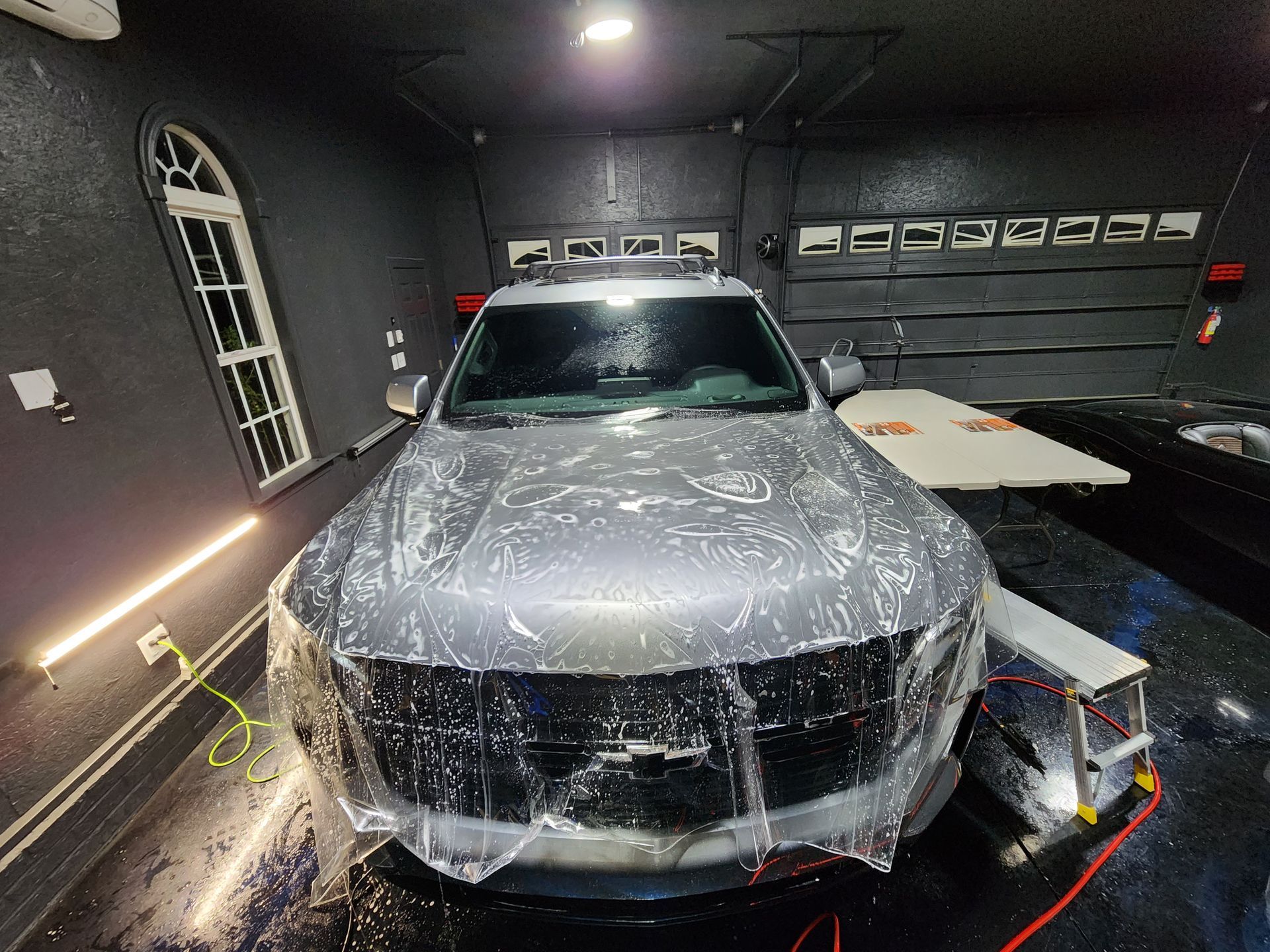
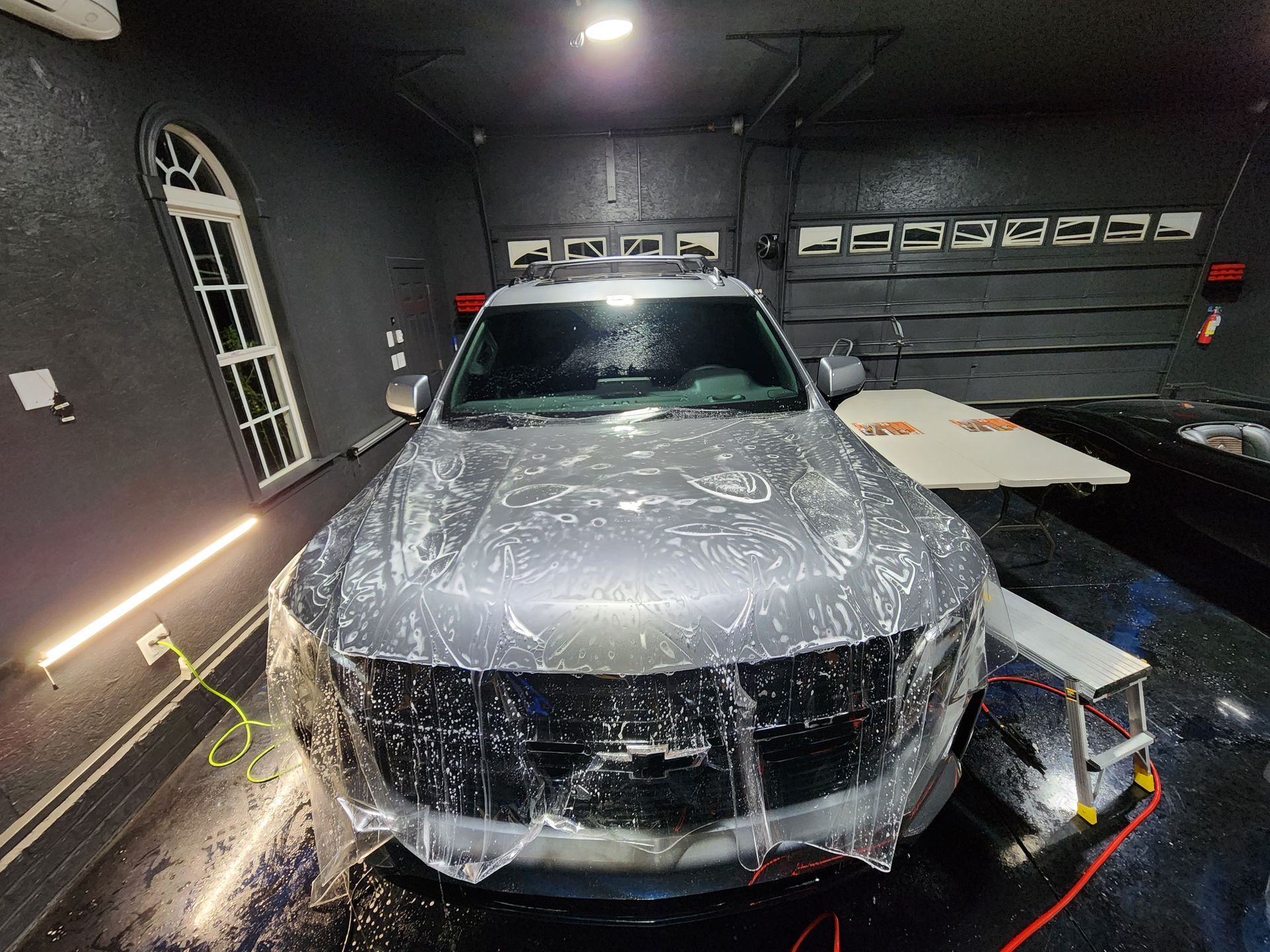
Full front PPF covers the entire front end: the hood, fenders, bumper, and headlights, delivering more comprehensive protection while reducing the visual inconsistencies scattered patches can create.
Full body PPF covers every inch of painted surface, guarding against chips and scratches while shielding paint from UV rays and chemical stains. For luxury and high-end vehicles, this wrap preserves showroom-quality paint longer and can substantially enhance resale value, though it costs often four times or more than full front coverage.
Installation time and maintenance vary too. Partial wraps can typically be applied in half a day and are easy to maintain in sections. Full front coverage takes up to a day or more. Full body installations can stretch over several days.
| Coverage Type | Approximate Cost (USD) | Coverage Area | Installation Time | Maintenance Level |
|---|---|---|---|---|
| Partial PPF | $500 to $1,500 | Front bumper, mirrors | 4 to 6 hours | Low |
| Full Front PPF | $1,500 to $3,000 | Entire front end | 8 to 12 hours | Moderate |
| Full Body PPF | $4,000 to $7,000+ | Whole vehicle | 2 to 4 days | High |
Partial PPF may create slight transitions where the film ends and bare paint begins. Full front PPF reduces these boundaries by covering large, contiguous sections, while a full body wrap offers total uniformity when applied by skilled installers. Pairing any level of PPF with a ceramic coating amplifies durability and simplifies cleaning.
Partial PPF: Pros and Cons
Partial PPF is often the practical choice for drivers balancing budget and protection. It shields the most vulnerable sections, typically the front bumper, hood, side mirrors, and sometimes the fenders, the areas that face the greatest exposure to road debris, stone chips, and salt corrosion. Installation typically ranges from $500 to $1,500 and is often completed within a few hours.
Because partial PPF ends at defined borders, visible edges can sometimes appear where the coated area meets an unprotected panel, and the film's sheen may differ slightly from adjacent uncoated paint without a ceramic topcoat. Partial PPF also leaves rear panels, the roof, and rocker panels unprotected, so drivers who regularly navigate salty winter roads can see chips accumulate on those areas more quickly than expected.
Our team at Helios Detail Studio often recommends pairing partial PPF with a ceramic coating over the entire vehicle. This helps blend visible transitions while giving clients solid front-end defense at an accessible price.
Full Front PPF: Pros and Cons
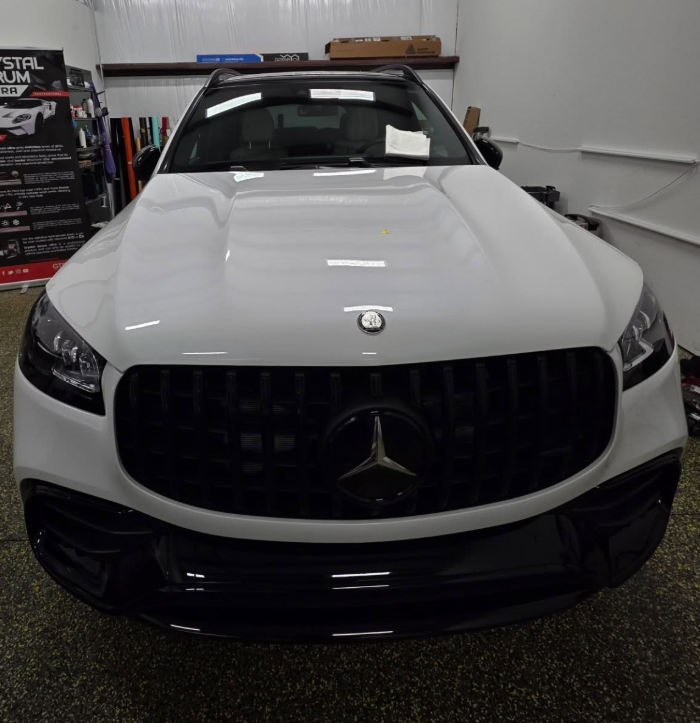
Full front PPF wraps the parts of your vehicle most vulnerable to impact: the entire front bumper, hood, fenders, side mirrors, and often the headlights. This reduces exposure to stone chips, bug splatter, and road debris while delivering consistent defense without the cost commitment of a full body wrap. By covering an entire section rather than selective patches, it creates a seamless appearance, and premium films, when applied correctly, are virtually invisible.
The primary drawback is cost. Full front wraps typically range from $1,500 to $3,000, with installation extending to eight to twelve hours or more. It also leaves the sides, rear panels, roof, and doors exposed, which may feel incomplete for owners who spend significant time on highways or in climates with heavy salt exposure.
At Helios Detail Studio, we advise clients to weigh the initial price against how their driving patterns and local climate will affect long-term satisfaction. Properly installed full front PPF, combined with a quality ceramic coating, delivers a balance of protection and appearance that serves most daily drivers very well.
Full Body PPF: Pros and Cons
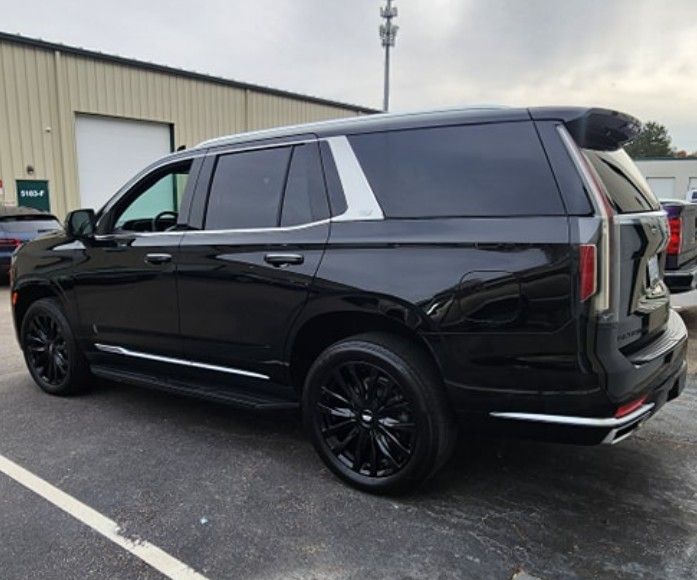
Full body PPF is the most comprehensive way to safeguard your vehicle's finish. It covers every painted surface, from the hood and fenders to doors, roof, mirrors, and door jambs, so no vulnerable spots are left exposed. The film acts as a nearly invisible shield that absorbs impacts and deflects scratches, and with full coverage there are no transitions between treated and untreated areas.
High-quality films such as XPEL incorporate self-healing technology, allowing minor scratches to disappear with exposure to heat or sunlight, so everyday blemishes simply vanish over time.
Full body PPF is notably more expensive, often ranging from $4,000 to $7,000 or more, with installation typically requiring two to four days. For drivers who primarily navigate urban settings with minimal debris exposure, full body coverage may offer more protection than their daily routine requires. The value proposition is strongest for owners of luxury or performance vehicles who drive in challenging conditions and intend to keep the car for years or sell it at a premium.
Aesthetic Impact and Durability
The visual impact of car PPF varies depending on your chosen coverage level. Partial PPF, while budget friendly, can leave visible transition lines where the film ends, typically around hood edges or mirror bases, particularly without a ceramic coating to help blend the transition. Full front coverage improves the aesthetic outcome noticeably by enveloping the entire front section in a single, cohesive layer. Full body PPF is where the benefit is most complete: with coverage from bumper to bumper, the film integrates fully with the original finish and eliminates any transition points.
Films incorporating self-healing technology add another dimension of durability, allowing minor scratches from car wash brushes or light road debris to disappear with exposure to heat or sunlight.
Regardless of which option you choose, professional installation by certified technicians is the single most important factor in realizing the full aesthetic and protective potential of any PPF product. Precise fitment, edge sealing, and surface preparation determine both how the film looks from day one and how long it continues to perform.
Choosing the Right Coverage
The choice between partial, full front, or full body coverage is ultimately about matching protection to how you use your vehicle, not simply finding the lowest price.
Frequent highway or rural driving where gravel and debris are constant threats makes full front or full body protection a practical necessity, since the hood, fenders, and front bumper absorb the most impact in these conditions. Primarily urban driving with less exposure to road hazards means a high quality partial PPF can offer surprisingly robust defense at a more accessible investment level.
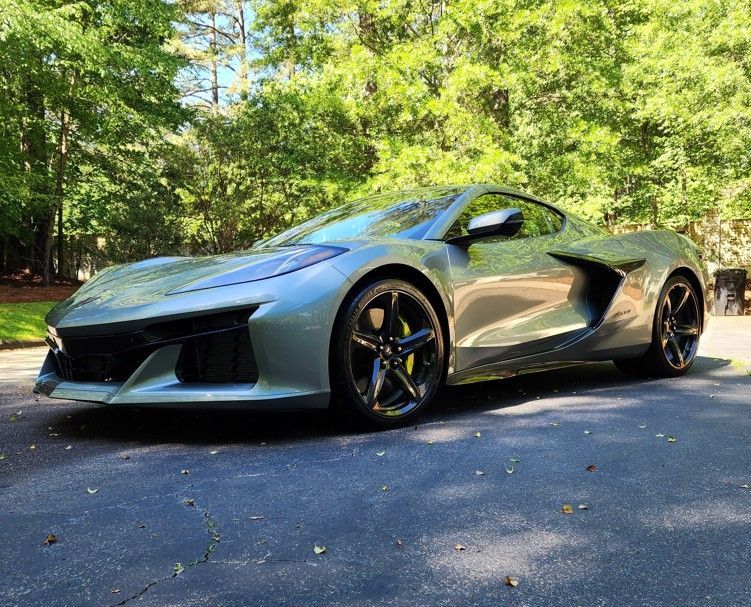
Full body PPF commands a significant premium over full front coverage, but the peace of mind it delivers, combined with reduced future repair costs and stronger resale value, makes it a justified investment for many owners of high value vehicles. Full front packages offer a practical middle ground, while partial coverage is the natural starting point for those who want targeted protection without a large initial commitment.
Some owners are concerned about visible film edges where protected areas meet exposed paint on partial or full front installations. Experienced installers address this through precise edge work, and adding a ceramic coating across the full vehicle helps unify the finish.
Protect Your Vehicle with the Right Paint Protection Package
Choosing between partial, full front, and full body PPF doesn't have to be difficult. At Helios Detail Studio, we help you find the right ppf package that fits your vehicle, driving habits, and budget. Whether you want affordable defense against everyday road debris or complete paint protection for a luxury or performance vehicle, our experienced team installs premium paint protection film with precision and attention to detail.
We proudly serve drivers throughout Wake Forest, Raleigh, Cary, and the surrounding Triangle area, using industry-leading films that deliver long-lasting protection, outstanding clarity, and a flawless finish.
Call us today at
919-669-0268 or
schedule your consultation to find the ideal PPF solution for your vehicle and keep your paint looking its best for years to come.
FAQs
What areas does partial PPF typically cover compared to full front or full body options?
Partial PPF focuses on the highest impact zones, most commonly the front bumper, a strip of the hood, and the side mirrors. Full front PPF expands coverage to the entire hood, both fenders, and the headlights. Full body PPF covers every painted panel, including doors, the roof, rear bumper, trunk lid, and pillars.
How does the level of protection differ between the three options?
Partial PPF reduces impact damage in the areas it covers but leaves the rest of the vehicle exposed. Full front coverage protects the zones most commonly affected during regular driving. Full body PPF provides the most complete protection across the entire vehicle surface.
What factors should influence my decision?
The most important factors are your driving environment, the type of vehicle you own, your budget, and your aesthetic priorities. Highway or rural drivers in demanding climates benefit most from fuller coverage, while owners of luxury or high value vehicles typically find full front or full body PPF justified by the preservation of paint quality and resale value.
How does each PPF option affect my vehicle's appearance?
Partial PPF can create visible transition lines between coated and uncoated areas. Full front PPF creates a more cohesive appearance across the front section. Full body PPF offers the most seamless result, with no visible transitions. Professional installation and a ceramic topcoat improve the final appearance in all cases.