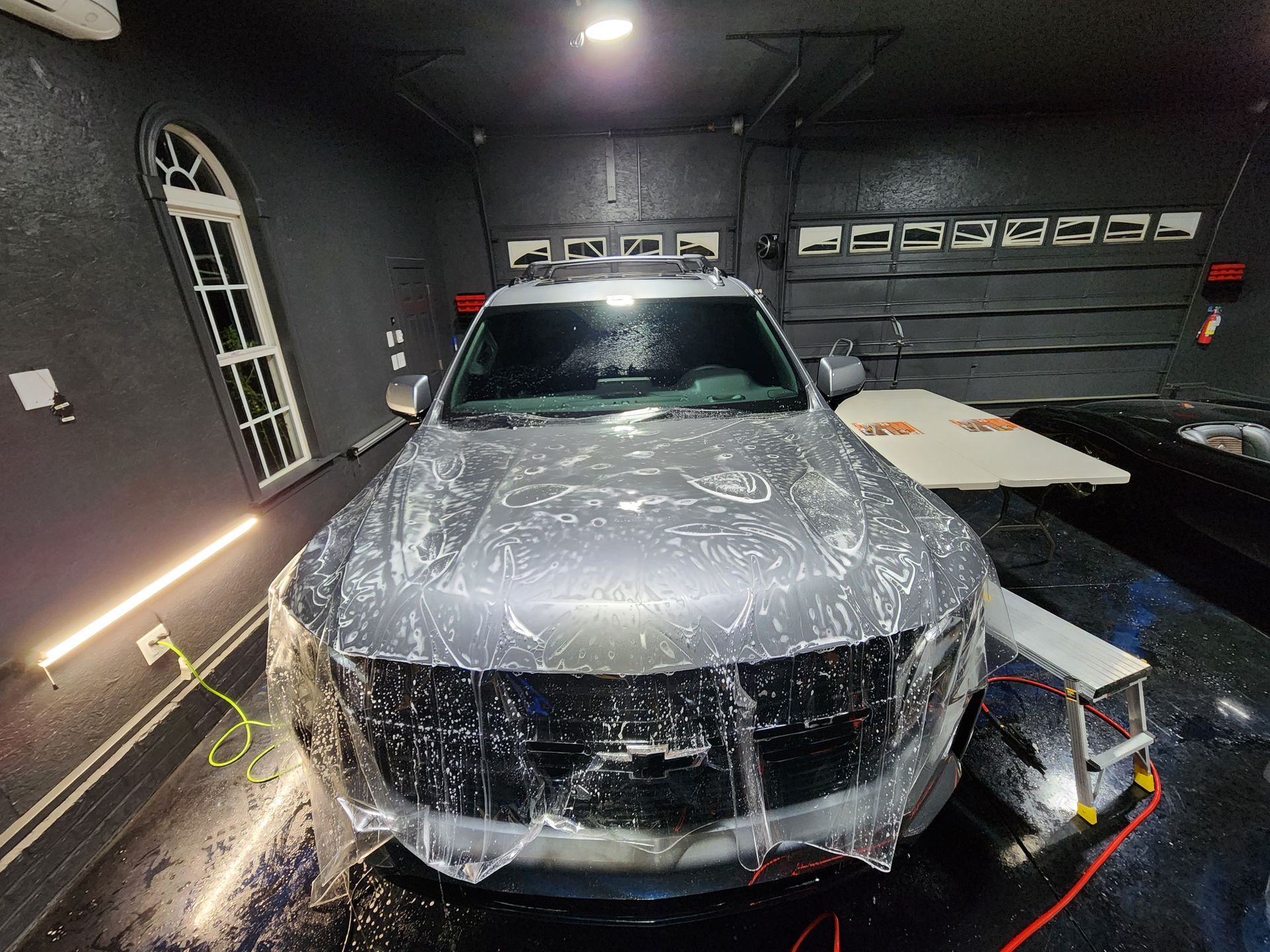
Self-Healing PPF: How It Works and Why It Matters for Automotive Care
You might think keeping your car's paint flawless means constant polishing or expensive repairs. But what if your vehicle had a shield that could fix tiny scratches on its own, simply by soaking up a bit of heat from the sun? That is exactly what self-healing paint protection film (PPF) does. This advanced film works in the background to keep your car looking fresh, saving you time and money while protecting your investment.
Self-healing paint protection film (PPF) is made from advanced urethane material designed to repair minor scratches and swirl marks automatically when exposed to heat sources like sunlight or warm water. This feature maintains your vehicle's appearance and enhances durability, making it a valuable investment in long-term vehicle care.
How Self-Healing PPF Works
Self-healing PPF is a specialized urethane film designed not just to shield your car's paint but to actively repair minor surface damage. The film's topcoat is embedded with microscopic polymers that respond to heat, allowing it to heal itself. When scratches or swirl marks appear, exposure to warmth from sunlight or warm water softens the upper layer, letting the material return to its original smooth state. Depending on conditions like temperature and sunlight intensity, this process can address abrasions in as little as ten minutes to a few hours.
The science behind this behavior comes down to the film's elastomeric polyurethane foundation, a flexible polymer with viscoelastic properties. When heat is applied, the polymer's molecules become more mobile, expanding slightly at the scratch site to fill in tiny cuts or abrasions. As the temperature drops, the film contracts back to its original shape, effectively smoothing out the damage. This cycle can repeat many times over the life of the film, meaning even if your car endures repeated minor scratches over months or years, many will simply disappear after heat exposure.
Typically ranging between 6 and 8 mils thick (about 150 to 200 microns), the film balances toughness with flexibility. It withstands impacts from road debris yet remains pliable enough to flex and self-correct without peeling. Scratches beyond the superficial level, those that penetrate through the film entirely, will not heal and may require professional attention.
Here is a quick comparison between standard and self-healing PPF:
| Feature | Traditional PPF | Self-Healing PPF |
|---|---|---|
| Scratch Repair | No | Yes (via heat activation) |
| Film Thickness | Similar (6 to 8 mils) | Similar (6 to 8 mils) |
| Maintenance Frequency | Higher | Lower |
| Warranty (Typical Range) | 5 to 7 years | 7 to 10 years |
Key Benefits for Automotive Surfaces
The most compelling advantage of self-healing PPF is long-term cost savings. By preventing surface damage that leads to paint repairs, self-healing PPF reduces the cycle of touch-ups and body shop visits that unprotected vehicles typically require over years of daily driving.
Scratch resistance is the signature benefit. Minor abrasions, swirl marks, and superficial scratches smooth out when exposed to heat as the film flexes back into shape. Your car's paint stays crisp and fresh without frequent waxing or polishing.
UV resistance is equally important. Prolonged ultraviolet exposure fades automotive paint and damages clear coats. High-quality urethane-based PPF provides a meaningful barrier against UV damage, preserving color depth and gloss under normal environmental conditions.
Chemical resistance rounds out the protective profile. Bird droppings, tree sap, road salts, and grime can etch or stain unprotected paint. Self-healing PPF acts as a sacrificial barrier, preventing contaminants from bonding to the underlying clear coat. Many advanced PPF products also feature hydrophobic properties that repel water and dirt, making washing easier and less frequent, and the film's glossy finish adds a deep, wet-look shine without extra waxing.

Industry Innovations and Trends
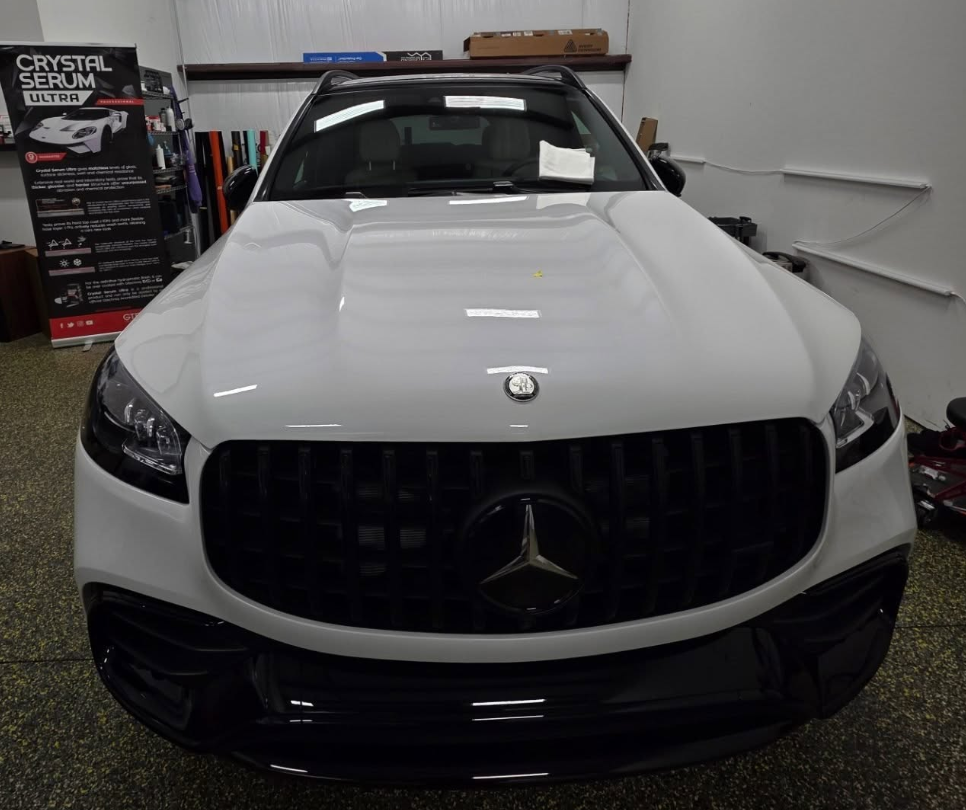
One of the notable shifts in self-healing PPF technology is the development of films with enhanced surface properties. By integrating ceramic-like characteristics into the top layer, manufacturers have created surfaces that are not only self-repairing but also more resistant to water and dirt accumulation. For vehicle owners who take pride in a spotless finish, this reduces cleaning time while maintaining consistent showroom-quality appearance.
Installation technology has improved as well. Modern PPF materials include better adhesive formulas that allow easier repositioning during application, reducing bubbles and wrinkles even around curves and edges. Precision-cut kits tailored to each vehicle model speed up application while ensuring thorough coverage. Customization options have also expanded, with matte finishes now available alongside traditional clear and glossy choices.
Evaluating Cost vs. Benefits
Self-healing PPF is typically priced higher than traditional films. That upfront cost difference is real, but it only tells part of the story. The real payoff comes in long-term savings and protection. Self-healing PPF uses advanced urethane layers that repair minor scratches naturally when exposed to heat, significantly reducing the need for paint touch-ups or repairs that add up quickly on unprotected vehicles.
Self-healing films also resist yellowing and discoloration even after years under harsh UV exposure, extending the lifespan of the protective layer itself. Many self-healing options carry manufacturer warranties of 7 to 10 years, stretching the period between replacements.
Vehicles with professionally installed self-healing film tend to show less visible wear over the years, which translates into a better-preserved exterior when it comes time to sell or trade. At Helios Detail Studio, we install premium quality PPF because they combine self-healing capability with proven clarity, durability, and warranty backing.
Real-World Applications
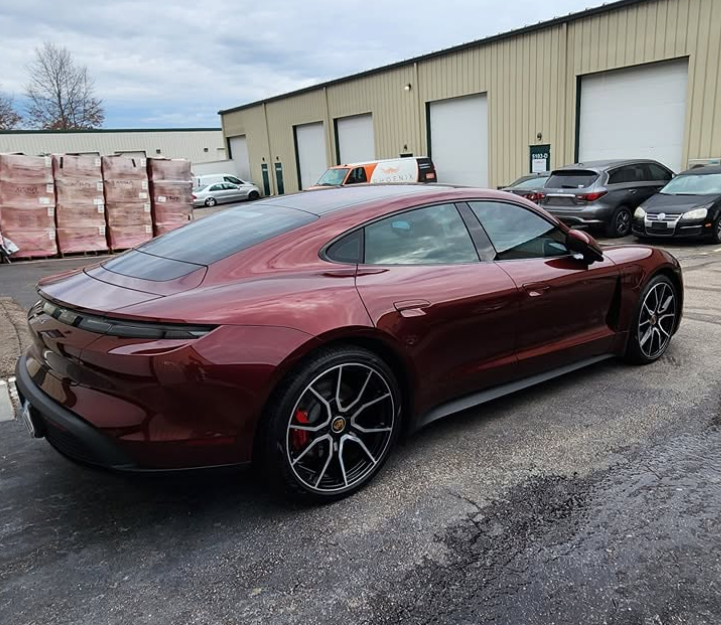
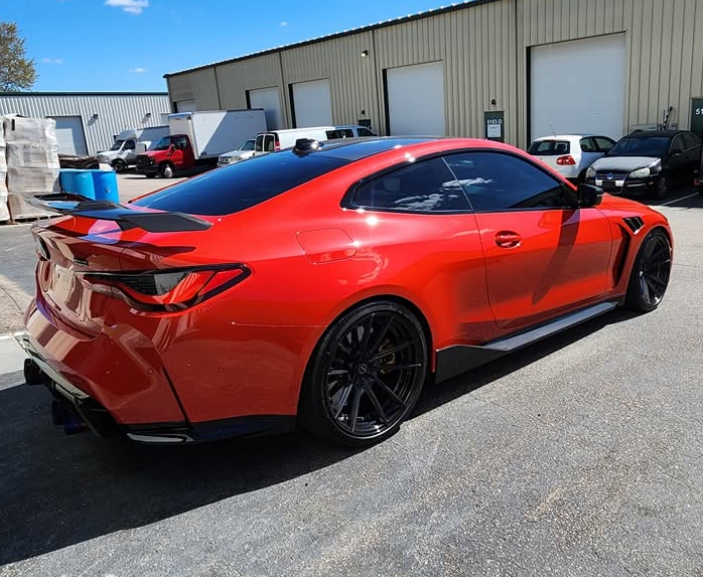
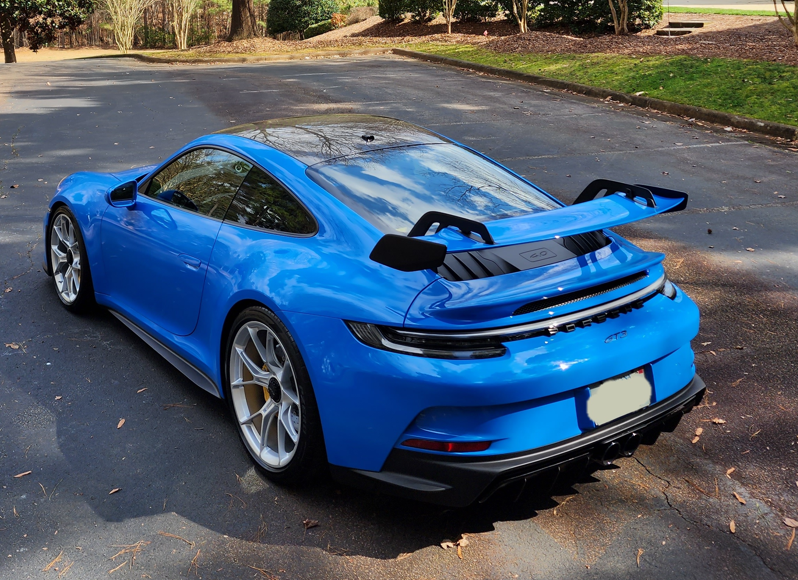
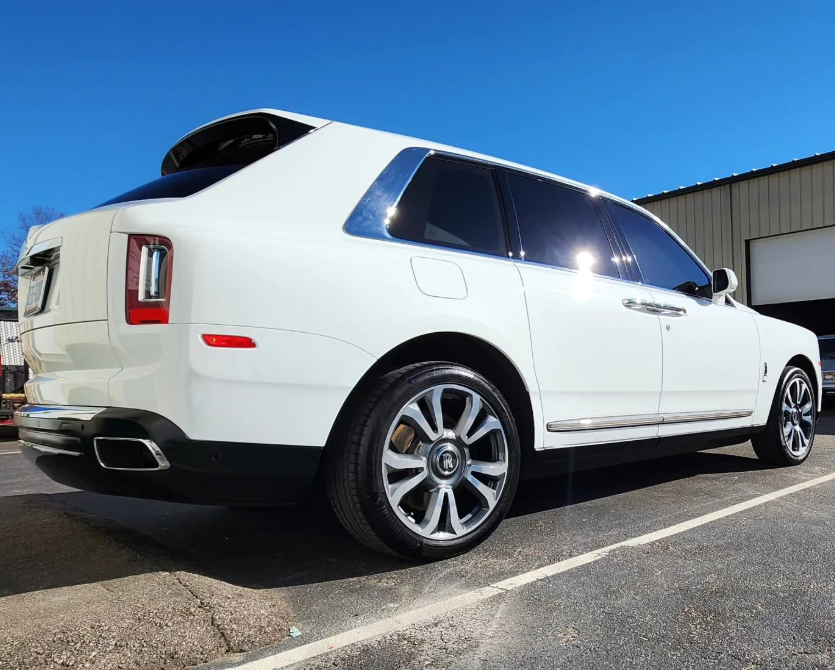
At Helios Detail Studio, we see firsthand how self-healing PPF changes not just the look of a vehicle but how owners feel about caring for it. Marks that once required costly bodywork become minor inconveniences that smooth out with a bit of sun or warm water. For owners of high-end or luxury cars, this means preserving resale value and maintaining a showroom appearance without constant worry.
Self-healing PPF also simplifies cleaning routines. Since minor scratches do not scar the surface permanently, owners have fewer concerns about regular washing or light contact. This ease encourages consistent care, which further extends the life of both paint and film.
Making an Informed Decision
Choosing the right self-healing paint protection film means balancing product quality, installer credentials, warranty coverage, and maintenance needs. Start by researching the different brands on the market, since not all self-healing films perform identically. Material composition, thickness, and additional features can significantly impact protection over time.
At Helios Detail Studio, we bring practical insight into how specific products hold up in real conditions. We consider your driving habits, the local climate here in Wake Forest, NC, and your budget to recommend the right film for your daily use. Our Gtechniq certification for both automotive and marine applications reflects the standard of care we bring to every install.
Warranty coverage is another important factor. Some warranties protect against yellowing and cracking but may exclude damage from severe impacts or improper maintenance. Ask detailed questions about terms so there are no surprises. Proper aftercare matters too: gentle hand washing with pH-neutral solutions keeps the film functioning as intended, while avoiding harsh chemicals and abrasive brushes preserves its self-healing properties.
Protect Your Vehicle With Advanced Self-Healing PPF
Your vehicle deserves protection that does more than cover the surface. At Helios Detail Studio, we install premium paint protection film designed to defend against road debris, scratches, UV damage, and everyday wear while helping maintain your vehicle’s showroom finish.
Whether you drive a luxury vehicle, daily commuter, or performance car, our certified team can help you choose the right PPF solution based on your driving habits and protection goals.
Call us at 919-669-0268 or schedule your consultation today and discover how self-healing paint protection can help preserve your vehicle’s appearance for years to come.
Frequently Asked Questions
How effective is self-healing PPF in repairing different types of surface damage?
Self-healing PPF is highly effective at repairing minor damage like light scratches and swirl marks, restoring near-original clarity when exposed to heat within minutes to a few hours. However, deeper gouges or severe impacts may exceed the film's healing capability and could require professional repair or replacement.
Can self-healing PPF maintain its protective qualities over time and under various weather conditions?
Yes. Self-healing PPF is engineered to perform across a range of weather conditions, from hot North Carolina summers to cold winter temperatures. High-quality urethane-based PPF resists yellowing, cracking, and degradation from UV exposure. Proper installation and routine maintenance with pH-neutral products help maintain its protective qualities throughout the warranty period.
How does self-healing PPF compare to traditional paint protection methods?
Self-healing PPF provides a significant advantage over wax, sealant, or standard PPF because it actively repairs minor surface scratches through heat activation. Conventional waxes wear off within weeks to months and offer no physical barrier against rock chips. Standard PPF provides the barrier but shows wear without the ability to recover. Self-healing PPF combines durable physical protection with repeated self-repair, reducing maintenance and extending the life of the protected surface.
What materials enable paint protection film to have self-healing properties?
The self-healing capability comes from elastomeric polymers, primarily polyurethane, combined with specialized thermoplastic materials in the topcoat layer. When scratched, heat activates molecular movement within these polymers, allowing the material to flow back into its original shape. The viscoelastic nature of these materials is what enables this repeated healing cycle over the life of the film.
What are the environmental benefits of using self-healing paint protection films?
Self-healing PPF reduces the need for frequent repainting and repairs, cutting down on automotive paint use and associated chemical waste. By extending the life of a car's paintwork and reducing body shop visits, PPF helps lower the demand for new paint production and decreases material sent to landfill.