Ceramic Coating vs. Wax vs. Sealant: Cost, Durability, and Value Explained
Choosing the right paint protection for your car can feel like a lot to sort through. Should you go with the glossy wax everyone talks about, a sealant that promises longer-lasting shine, or invest in a ceramic coating? Each option carries its own mix of benefits and trade-offs across ease of application, durability, and cost. This guide breaks down all three so you can decide which one fits your budget, schedule, and goals for your vehicle's finish.
Auto ceramic coating provide the most durable protection, lasting multiple years with proper prep and maintenance. Waxes offer superior gloss but require reapplication every one to three months. Sealants strike a balance by lasting six to twelve months with easier application. The right choice depends on your budget, desired durability, and how much maintenance you want to manage.
Comparing Ceramic Coating, Wax, and Sealants
Auto ceramic coating bond chemically to your car's paint, forming a durable shield that can last for years. Professional applications can provide protection for up to five years, while DIY versions typically deliver reliable results closer to one or two years. This barrier resists UV rays, chemical stains, and minor scratches. Achieving those benefits requires careful surface preparation and skilled application, since without proper prep the coating's performance will fall short.
Wax delivers an immediate, showroom-quality shine through its natural carnauba composition. It lays down a softer layer than ceramics or sealants, making it easy to apply and buff by hand. The trade-off is longevity: wax typically lasts one to three months before needing reapplication. Despite that, the depth of gloss it produces remains hard to replicate with synthetic alternatives.
Sealants occupy the middle ground. They are synthetic polymers engineered for more durability than wax while remaining easier to apply than ceramic coatings. Lasting roughly six to twelve months with proper care, they provide solid protection against water spots and UV exposure without the extensive prep that ceramics demand.
| Feature | Ceramic Coating | Wax | Sealant |
|---|---|---|---|
| Durability | 2 to 5 years | 1 to 3 months | 6 to 12 months |
| Gloss Appearance | Moderate to High | High | Moderate to High |
| Ease of Application | Requires prep and skill | Easy to Moderate | Moderate |
| Cost | $500 to $2,000 (professional) | $10 to $30 (DIY) | $20 to $50 (DIY) |
The cost differences reflect not just product price but required labor and skill. Professional ceramic coating services involve paint correction and thorough surface prep in addition to application time. Waxing can be done by almost anyone but must be repeated frequently. Sealants fall in between, affordable enough for regular use and durable enough to reduce how often reapplication is needed.
Benefits and Drawbacks of Ceramic Coating
Ceramic coatings create a tough, glass-like layer that changes how your vehicle's surface interacts with the environment. The hydrophobic surface causes raindrops to bead up and slide off, carrying dirt with them, which means fewer washes and less effort to keep the car clean.
Beyond water resistance, ceramic coatings protect against acid rain, bird droppings, road salts, and UV rays that dull or fade paint over time. This protection helps maintain both appearance and resale value by slowing paint degradation.
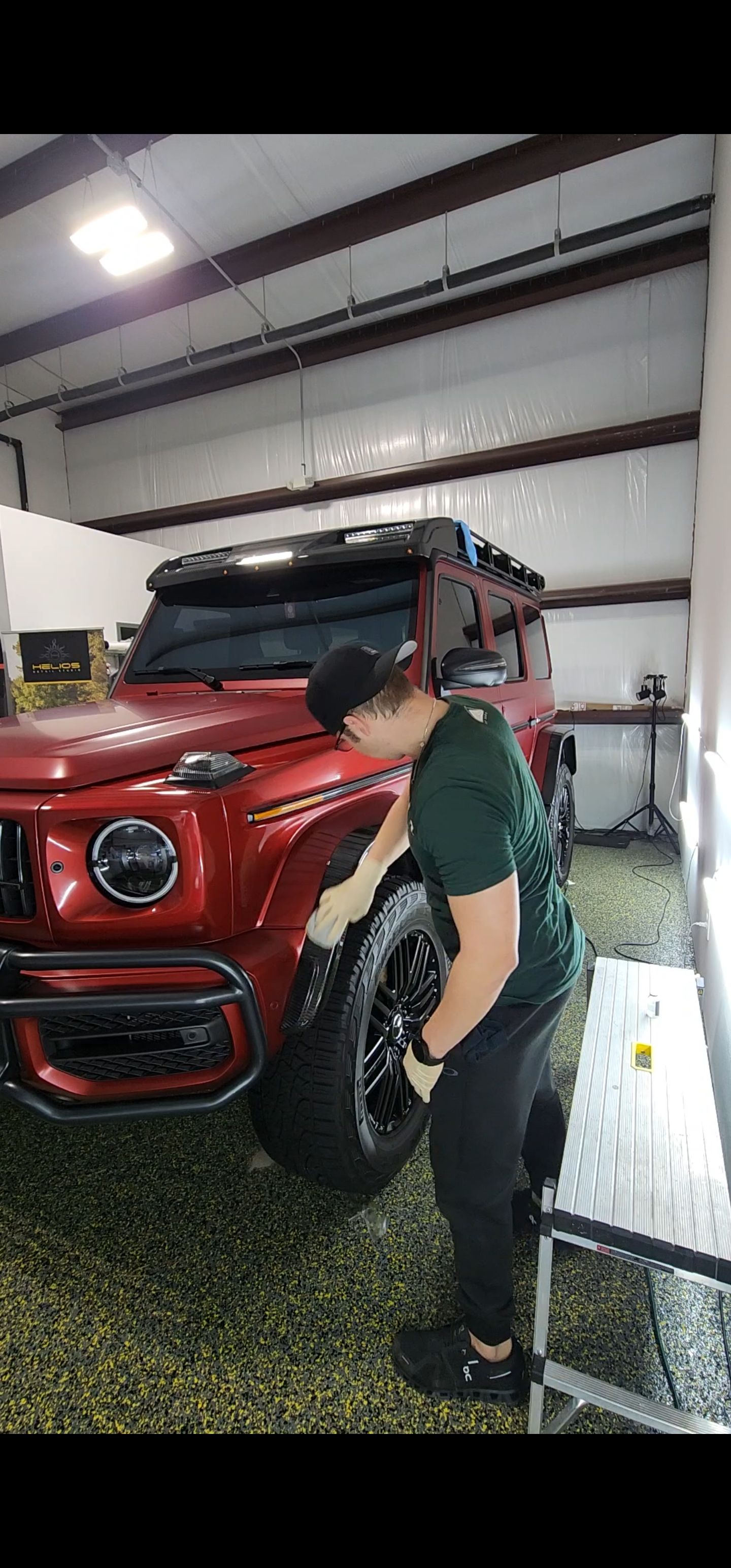
Proper application requires thorough washing, clay bar decontamination, and often polishing to eliminate swirl marks before the coating bonds correctly. Rushed or improper prep results in high spots, streaks, or uneven patches that reduce clarity and depth. Professional applications typically range from $500 to $2,000 depending on vehicle size and the extent of correction needed.
Ceramic coatings are not scratch-proof. They resist minor surface contact better than wax or sealants, but harsh impacts and abrasive cleaners can still cause damage. Mineral deposits can also form on coated surfaces if the vehicle sits unwashed for extended periods in hard-water areas.
For most drivers, ceramic coatings deliver a strong balance of durability and low maintenance, typically holding for two to five years with professional application and simple upkeep using pH-neutral soap.
| Aspect | Ceramic Coating | Sealant | Wax |
|---|---|---|---|
| Durability | 2 to 5 years | 6 to 12 months | 1 to 3 months |
| Protection | Strong chemical and UV resistance | Good | Moderate |
| Hydrophobicity | Superior water beading | Moderate | Low |
| Gloss | Deep gloss and paint clarity | Good | Best initial gloss |
| Maintenance | pH-neutral soap and mild care | Periodic reapplication | Frequent reapplication |
Wax Application and Advantages
Wax transforms a car's paint with a deep, rich glow that elevates the vehicle's appearance immediately. The process is straightforward but rewards consistency and attention.
Start with a thorough wash using pH-neutral soap to remove dirt and oils that would otherwise become trapped beneath the wax. Dry carefully with soft microfiber towels. Using a foam applicator pad, apply wax in thin, smooth circles across one panel section at a time. A thin, even layer is the goal: too heavy an application makes buffing difficult.
Allow the wax to haze for five to ten minutes, then buff off gently with a clean microfiber cloth using light circular motions. The result is a reflective, layered finish with gloss depth that synthetic products struggle to fully replicate.
Wax's core appeal is aesthetic. It creates a dimensional, wet-looking finish that enhances paint color and highlights body contours in a way many enthusiasts still prefer over synthetic coatings. The trade-off is durability: sun, rain, and road exposure mean wax typically needs reapplication every one to three months.
Wax is also highly accessible. It does not require paint correction or a controlled environment, and most drivers can achieve satisfying results with minimal investment. To get the most from waxing, always clean and decontaminate the surface first, use a quality carnauba-based product for maximum gloss, and maintain the finish between applications with a gentle non-wax wash formula.
Sealant Features and Maintenance
Sealants sit between wax and ceramic coatings in both durability and effort required. They create a slick, hydrophobic surface that repels water and lasts six months to a full year, well beyond what wax provides. Their synthetic polymer construction also resists UV rays, acid rain, bird droppings, and road salts that gradually degrade unprotected paint.
Unlike ceramic coatings that chemically bond to the surface, sealants rest on top as a protective layer that benefits from seasonal refreshing. Maintenance is straightforward: use pH-neutral shampoos to avoid degrading the sealant prematurely, plan to reapply every six to twelve months, and use a clay bar treatment before applying a fresh coat to ensure clean bonding.
One useful distinction worth knowing: many spray products marketed as "ceramic" today are actually enhanced synthetic sealants infused with silica dioxide (SiO2). These offer more durability and surface hardness than traditional polymer sealants but do not match true ceramic coatings in bonding strength or longevity. They are a practical option for daily drivers who want improved performance with easy application.
At Helios Detail Studio, we can help identify the right protection approach for your vehicle's specific needs and driving habits.
Cost Analysis of Each Method
Looking beyond the upfront price is essential when evaluating paint protection. Professional ceramic coating applications range from $500 to $2,000 depending on vehicle size and the extent of prep required. That figure reflects labor, paint correction, and the controlled application environment a quality result demands.
Wax costs $10 to $30 per application, but the frequency required in a climate like Wake Forest's changes the math. Summer heat, humidity, and heavy pollen seasons accelerate wax breakdown, meaning reapplication every one to three months and cumulative cost that adds up steadily over time.
Sealants run $20 to $50 per application and last six to twelve months, offering stronger protection than wax without the full commitment of a ceramic coating.
Waxing quarterly at $20 per application adds up to roughly $80 or more annually. Over five years, that approaches the lower end of professional ceramic coating pricing, with none of the reduced maintenance that comes with it. For drivers in North Carolina managing summer UV, spring pollen, and winter road treatments, a ceramic coating from Helios Detail Studio holds up where wax and sealants cannot.
Determining the Best Value for Your Vehicle
Value in paint protection is about more than upfront cost. It is about how much time and effort you invest across the full life of your vehicle's finish.
For drivers prioritizing long-term protection with minimal maintenance, automotive ceramic coating is typically the strongest choice, particularly for luxury or high-value vehicles where the finish directly affects resale. Once applied correctly, it reduces wash frequency and eliminates regular waxing, returning value steadily over time.
Wax suits drivers who enjoy the hands-on process and want excellent gloss at a low initial cost. The commitment is ongoing, and in North Carolina's summers it breaks down quickly without consistent reapplication.
Sealants work well for everyday drivers who want meaningful protection without the full investment of a ceramic coating. They form a solid barrier against water spots and UV damage while remaining straightforward to apply and maintain.
Find the Right Paint Protection for Your Vehicle
Not sure whether ceramic coating, wax, or paint sealant is the best choice for your vehicle? The right solution depends on your driving habits, maintenance preferences, budget, and long-term goals. While wax and sealants offer short-term protection, ceramic coating provides years of durable defense against UV rays, contaminants, and environmental damage while keeping your vehicle looking cleaner for longer.
At
Helios Detail Studio, we help vehicle owners throughout the Triangle area choose the protection package that delivers the best value for their needs. Whether you're looking for maximum gloss, low-maintenance protection, or long-term paint preservation, our team can recommend and professionally apply the ideal solution. Call us at
919-669-0268 or
schedule your appointment today for a free consultation and protect your vehicle's finish with confidence.
FAQs on Ceramic Coating vs. Wax vs. Sealant
Is ceramic coating better than wax for daily drivers?
For most daily drivers, ceramic coating offers superior long-term protection and requires far less maintenance than wax. It provides stronger resistance to UV rays, contaminants, and water spots while lasting significantly longer.
Can I apply wax over a ceramic coating?
Yes. While it is generally unnecessary, some vehicle owners apply wax over ceramic coatings to temporarily enhance gloss. However, using ceramic-safe maintenance products is typically recommended instead.
How often should paint sealant be reapplied?
Most paint sealants should be reapplied every 6 to 12 months, depending on environmental exposure, washing habits, and product quality.
Does ceramic coating eliminate the need to wash my car?
No. Ceramic coatings make cleaning easier by preventing dirt and contaminants from bonding strongly to the paint, but routine washing is still necessary to maintain appearance and performance.
Which option provides the best shine?
Traditional carnauba wax is often praised for delivering the deepest and warmest shine immediately after application. However, ceramic coatings offer exceptional gloss along with significantly greater durability.
Can ceramic coating prevent scratches?
Ceramic coatings help reduce minor swirl marks and light surface scratches, but they are not completely scratch-proof and cannot prevent damage from significant impacts.
Is paint sealant a good alternative to ceramic coating?
Yes. Paint sealants provide a cost-effective middle ground for drivers seeking longer-lasting protection than wax without the higher investment of a professional ceramic coating.
What is the best paint protection option for a new vehicle?
For long-term protection and easier maintenance, ceramic coating is often the preferred choice for new vehicles. It helps preserve the factory finish and maintain resale value over time.