PPF vs. Ceramic Coating: Do You Need Both or Just One?
Deciding how to protect your car’s paint can feel like a tough choice. Paint Protection Film (PPF) and ceramic coating are both proven options, but they work in fundamentally different ways. This guide breaks down how each protects your paint, what maintenance and costs to expect, and whether combining them makes sense for your vehicle and driving habits. Armed with this information, you will be equipped to make a confident, informed decision before booking a professional installation.
PPF provides robust protection against rock chips, scratches, and impact damage. Ceramic coating offers a durable hydrophobic layer that enhances gloss and simplifies cleaning but does not prevent physical damage. Combining PPF on high-impact areas with ceramic coating over the full vehicle delivers maximum long-term protection. For budget-conscious owners or lower-risk vehicles, ceramic coating alone may suffice.
PPF vs. Ceramic Coating: How They Differ
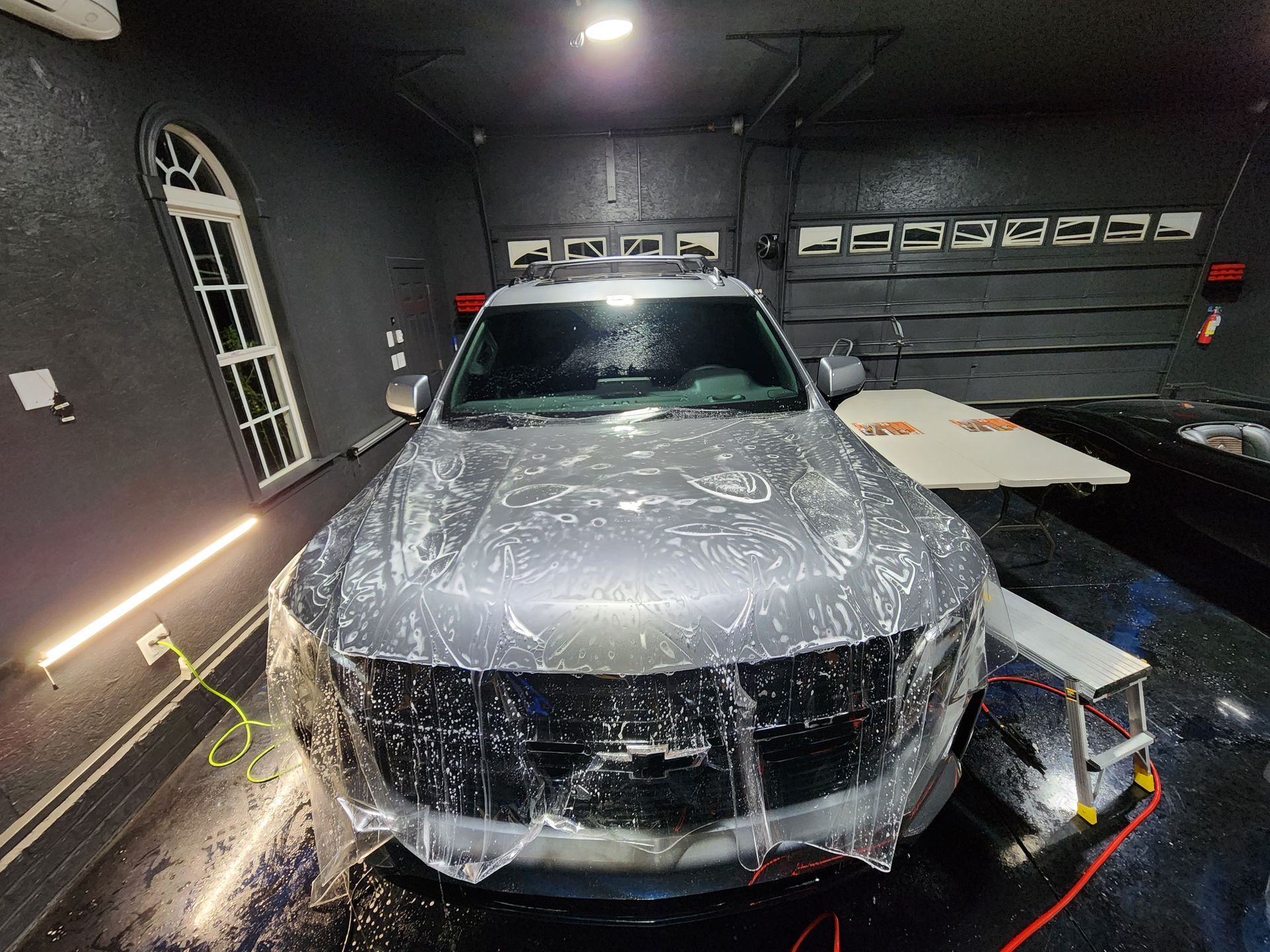
PPF is a thick, transparent urethane film applied over vulnerable panels such as the front bumper, hood, and side mirrors. Its primary job is to absorb physical impacts from road debris and scratches that would otherwise damage your paint. Premium PPF also features a self-healing capability, meaning minor scratches can disappear with exposure to heat or sunlight. Without expert installation by a certified professional, edges may be noticeable, and lower-quality films can yellow or degrade after five to seven years.
Ceramic coating takes a different approach. Rather than forming a physical barrier, it chemically bonds with your vehicle’s clear coat to create an ultra-thin but durable layer. It will not stop rock chips or deep scratches, but it does resist minor swirl marks, UV fading, and environmental contaminants including bird droppings, tree sap, and acid rain. It also creates a smooth, hydrophobic surface that repels water and makes routine washing noticeably easier, reducing the time and effort required to keep your vehicle looking its best.
In practice: choose PPF if physical impact resistance is your priority. Choose ceramic coating if gloss enhancement, easy cleaning, and UV protection are your main goals. For comprehensive, long-term coverage, using both together is the most effective approach available.
| Feature | Paint Protection Film (PPF) | Ceramic Coating |
|---|---|---|
| Protection Type | Physical impact resistance | Chemical protection and hydrophobicity |
| Appearance | May show subtle edges depending on installation | Invisible; preserves and enhances factory finish |
| Durability | 7 to 10 years with proper maintenance | 2 to 5 years with periodic reapplication |
| Maintenance | Gentle washing with film-safe products | pH-neutral soaps; booster sprays bi-annually |
| Scratch Self-Healing | Yes, with heat exposure | No |
| Cost | Higher due to materials and professional labor | More affordable than full PPF coverage |
| Best For | High-impact zones, daily drivers, track vehicles | Full-vehicle gloss, UV and chemical protection |
PPF vs Ceramic Coating: Which Lasts Longer?
PPF is built for long-term physical protection. Premium installations typically last seven to ten years and often include manufacturer warranties against yellowing, peeling, and delamination. That said, it does require periodic professional inspections and consistent gentle washing routines to keep edges properly sealed and maintain its protective performance over the long haul. Neglecting maintenance can allow edges to lift or trap contaminants, reducing both appearance and effectiveness.
Car ceramic coating provide two to five years of effective protection depending on product quality, application conditions, and how well the vehicle is maintained afterward. Their hydrophobic water-beading effect diminishes gradually over time, making periodic reapplication or booster spray treatments necessary to restore full performance. The tradeoff is a lower upfront cost and a less complex application process compared to PPF, making it accessible for a wider range of budgets.
For owners who park outdoors regularly or drive frequently in high-debris environments, combining both products is the most durable long-term strategy. PPF absorbs physical impacts on the front end while ceramic coating maintains gloss and chemical resistance across the entire vehicle surface, including areas not covered by film.
Installation and Maintenance: What to Expect with PPF and Ceramic Coating
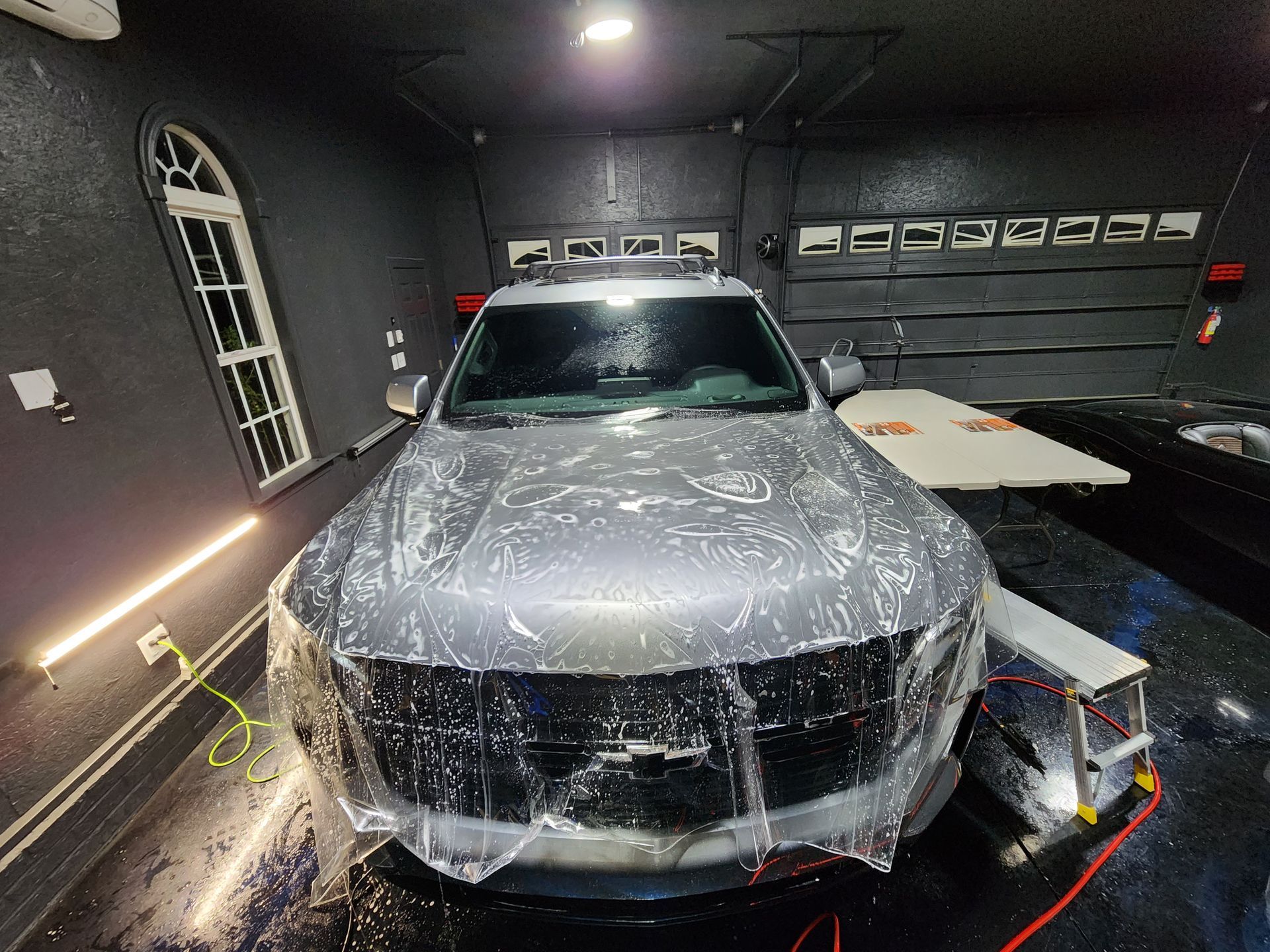
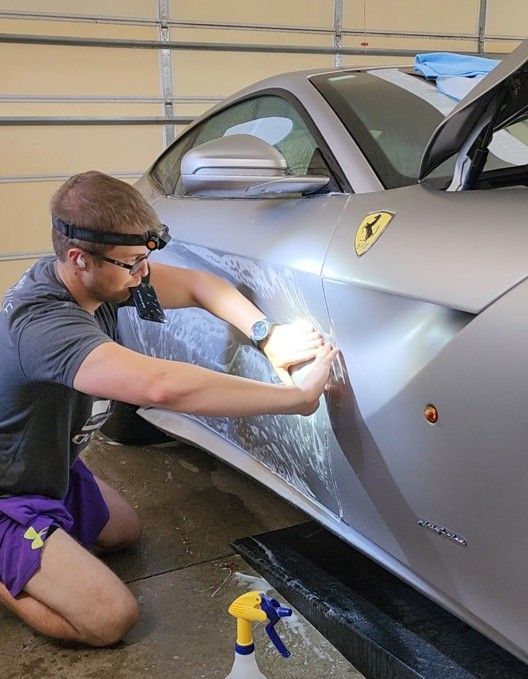
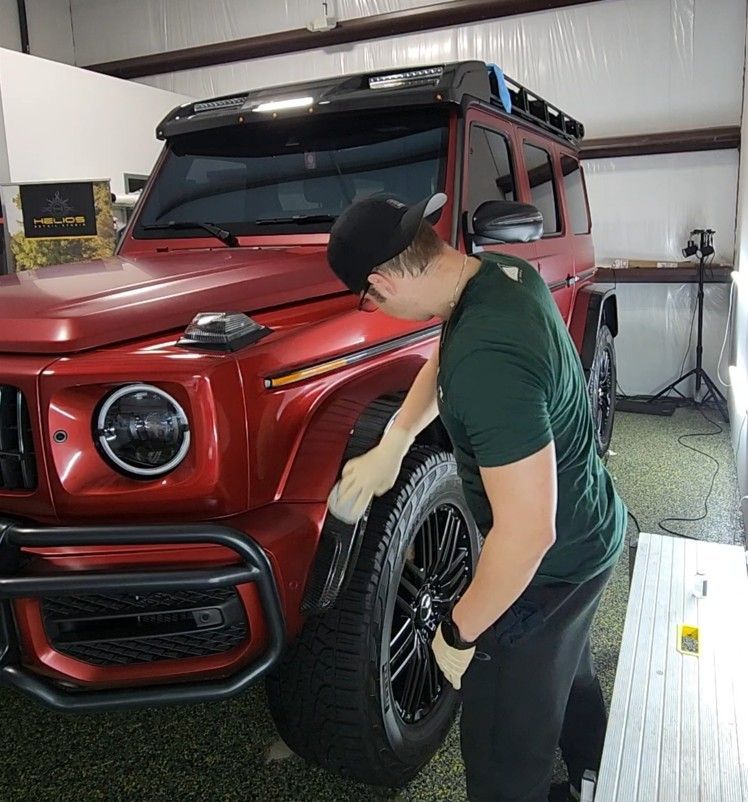
Car PPF installation is a precise, labor-intensive process that should always be performed by a certified professional. Installers typically spend four to eight hours preparing the surface, cutting templates, and applying the film using heat guns and squeegees. Paint correction beforehand is standard practice, as any surface imperfections will remain visible under the film after installation. This step alone distinguishes a quality professional installation from a rushed or under-trained one.
Ceramic coating application is less complex but still benefits significantly from professional execution. After thorough washing and decontamination, the coating is spread across the surface with applicator pads and allowed to cure for 12 to 48 hours depending on temperature and humidity. Some enthusiasts apply ceramic coatings themselves with strong results, provided surface preparation is thorough and application conditions are controlled.
PPF ongoing care: wash every one to two weeks using mild, film-safe detergents. Avoid directing high-pressure water at film edges. Many premium films self-heal minor swirl marks with heat from sunlight or warm water rinsing.
Ceramic coating ongoing care: wash every two to four weeks with pH-neutral shampoo. Apply booster sprays every six to twelve months to restore hydrophobic performance. Avoid harsh detergents or abrasive wash mitts, which degrade the chemical bond and shorten the coating’s effective lifespan.
Appearance and Finish: Gloss, Clarity, and Visual Differences
PPF adds a physical layer to your paint, which means subtle edges may be visible at film boundaries on sharp body lines. With quality film installed by a certified professional, these transitions are nearly undetectable to a casual observer. Films are available in both gloss and matte finishes, allowing customization that matches or intentionally alters your vehicle’s factory look, which appeals to owners seeking a more distinctive aesthetic.
Ceramic coating remains completely invisible after application. It enhances your paint’s depth and gloss without altering texture or adding thickness, often pushing measured gloss readings above 90 GU at 60 degrees. The result is a deep, wet-look shine that lasts for years with proper maintenance. If visual enhancement is a priority alongside protection, applying ceramic coating over PPF delivers the best of both outcomes without any visual compromise.
Making Your Decision: PPF, Ceramic Coating, or Both?
The right choice depends on how you use your vehicle, where you drive, and what you value most in a protection investment. Car PPF is the clear choice for owners who prioritize physical paint defense, particularly on daily drivers, highway commuters, or track-use vehicles where road debris is a constant hazard. Ceramic coating is the right standalone option for owners focused on gloss, UV protection, and reduced maintenance effort on lower-risk vehicles.
For most enthusiasts and serious car owners, the combination approach delivers the best long-term results. PPF on the front bumper, hood, mirrors, and rocker panels handles the highest-risk areas. Ceramic coating across the full vehicle then adds hydrophobic protection, enhances gloss, and simplifies washing everywhere else. This layered strategy maximizes both protection and long-term resale value without the expense of full-body PPF coverage.
Not Sure Whether to Choose PPF, Ceramic Coating, or Both?
Choosing between Paint Protection Film and ceramic coating depends on how you drive, where you park, and how long you plan to keep your vehicle. Making the wrong choice can mean overspending or leaving your paint unprotected where it matters most.
At Helios Detail Studio, we help you make the right decision based on real-world conditions, not guesswork. Whether you need targeted PPF for high-impact areas, a full ceramic coating for easier maintenance, or a combination of both, our certified team ensures precision installation and long-lasting results.
Get expert guidance tailored to your vehicle and budget.
The certified team at Helios Detail Studio can assess your vehicle, driving conditions, and budget to recommend the right coverage plan. Call 919-669-0268 or schedule your appointment online to find the ideal protection plan.
Frequently Asked Questions
Can PPF and ceramic coating be used together?
Yes. PPF and ceramic coating are fully compatible and complement each other well. PPF handles physical impact protection while ceramic coating adds gloss, hydrophobicity, and chemical resistance across the entire vehicle surface, including over the film itself.
Which option lasts longer?
PPF typically lasts seven to ten years with proper maintenance and often includes a manufacturer warranty against yellowing and delamination. Ceramic coating generally provides two to five years of protection before reapplication is needed. For maximum long-term durability, PPF offers the greater individual lifespan, though combining both products extends the effective performance of each.
What does professional installation cost?
Partial PPF coverage starts around $900. Full-body PPF ranges from $6,000 to $8,000. Professional ceramic coating runs $1,000 to $2,500. A combined package covering high-impact zones with PPF and full-vehicle ceramic coating typically falls between $2,500 and $5,000 depending on vehicle size and the scope of coverage selected.
Is ceramic coating worth it without PPF?
Yes, for many owners. Ceramic coating alone delivers meaningful benefits: UV protection, hydrophobic performance, enhanced gloss, and reduced cleaning effort. It will not prevent rock chips or deep scratches, but for vehicles not regularly exposed to high-debris driving conditions, it is a practical and cost-effective protection choice that outperforms traditional wax and paint sealant alternatives considerably.
Which is better for daily drivers: PPF or ceramic coating?
For daily drivers, PPF is better for protecting against rock chips and road debris, especially on highways. Ceramic coating is useful for easier cleaning and gloss, but it does not prevent physical damage. A combination of both offers the best overall protection.
Can ceramic coating be applied on top of PPF?
Yes, ceramic coating can be safely applied over PPF. It enhances gloss, adds hydrophobic properties, and makes the film easier to clean without affecting its protective capabilities.
Does PPF require ceramic coating on top?
No, PPF does not require ceramic coating to function effectively. However, adding a ceramic coating improves appearance, water repellency, and maintenance, making it a popular upgrade.
Which option is more cost-effective in the long run?
It depends on your driving conditions. PPF saves money by preventing costly paint repairs, while ceramic coating reduces maintenance effort and protects against environmental damage. For long-term ownership, combining both often provides the best value.
Is PPF noticeable on the car?
High-quality PPF is nearly invisible when installed correctly. Some edges may be slightly visible on close inspection, but most modern installations are seamless and do not affect the vehicle’s appearance.
How do I decide between partial PPF and full-body protection?
Partial PPF is ideal for budget-conscious owners and daily drivers, focusing on high-impact areas like the hood and bumper. Full-body PPF is best for luxury or high-value vehicles where maximum protection and resale value are priorities.
Does ceramic coating prevent scratches?
Ceramic coating can reduce minor swirl marks but does not prevent scratches or rock chips. For physical protection, PPF is required.