PPF for High-End vs Everyday Vehicles: Do All Cars Benefit?
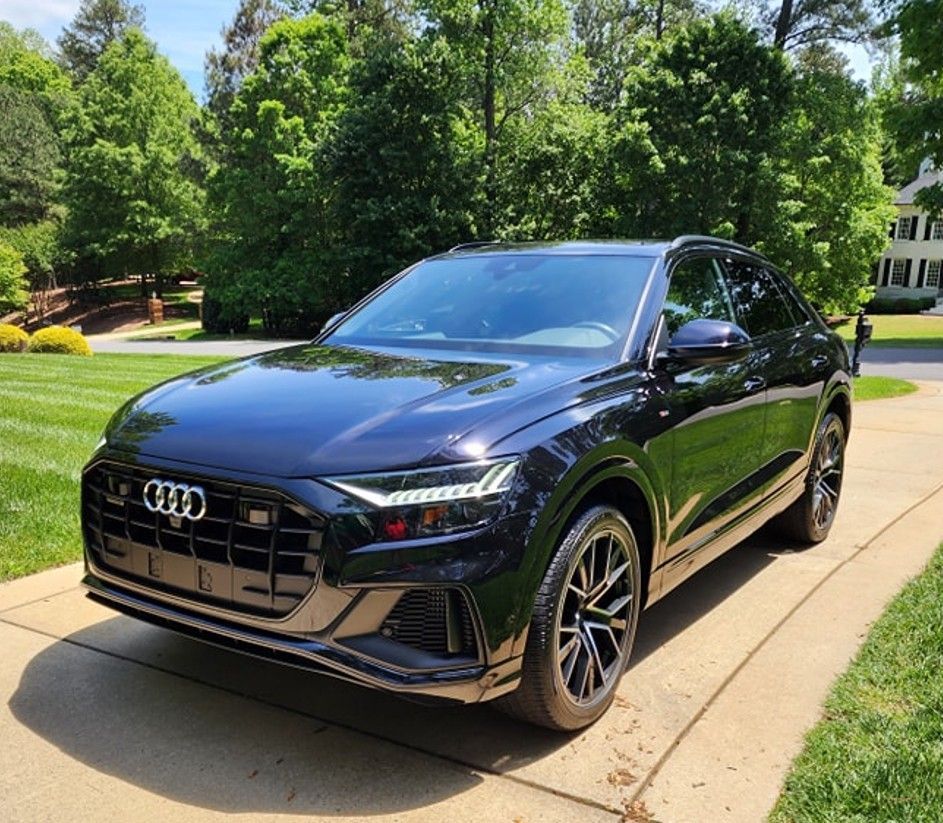
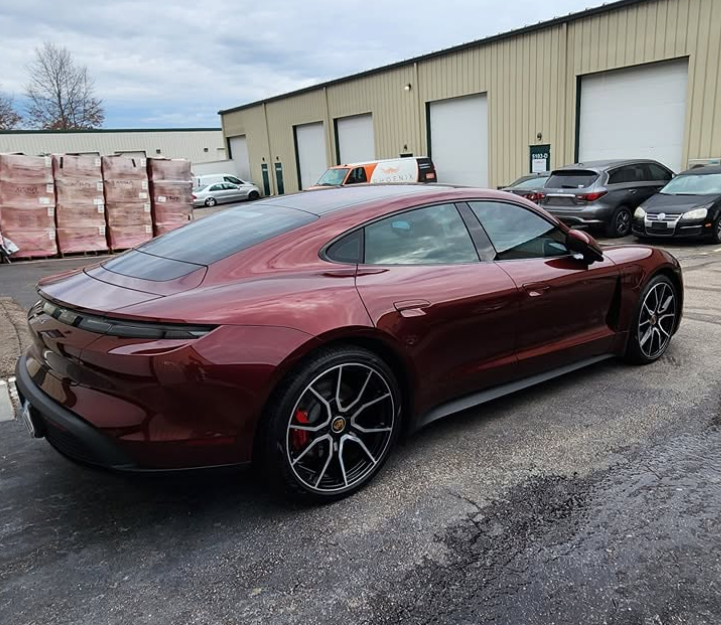
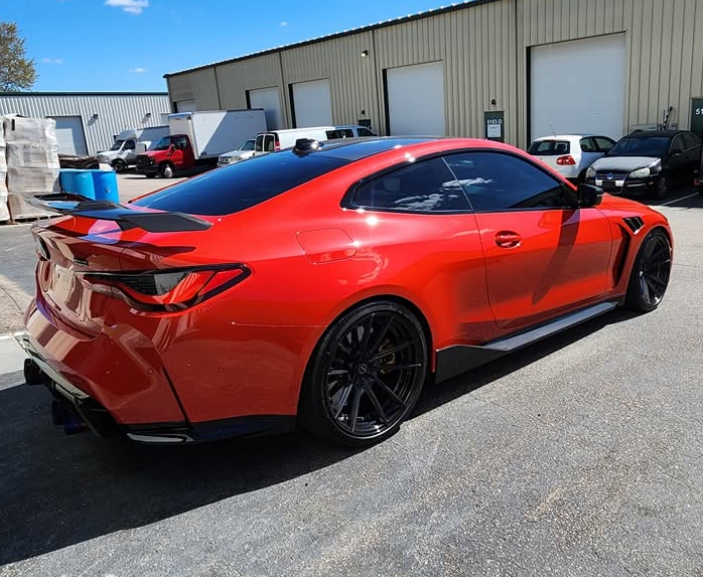
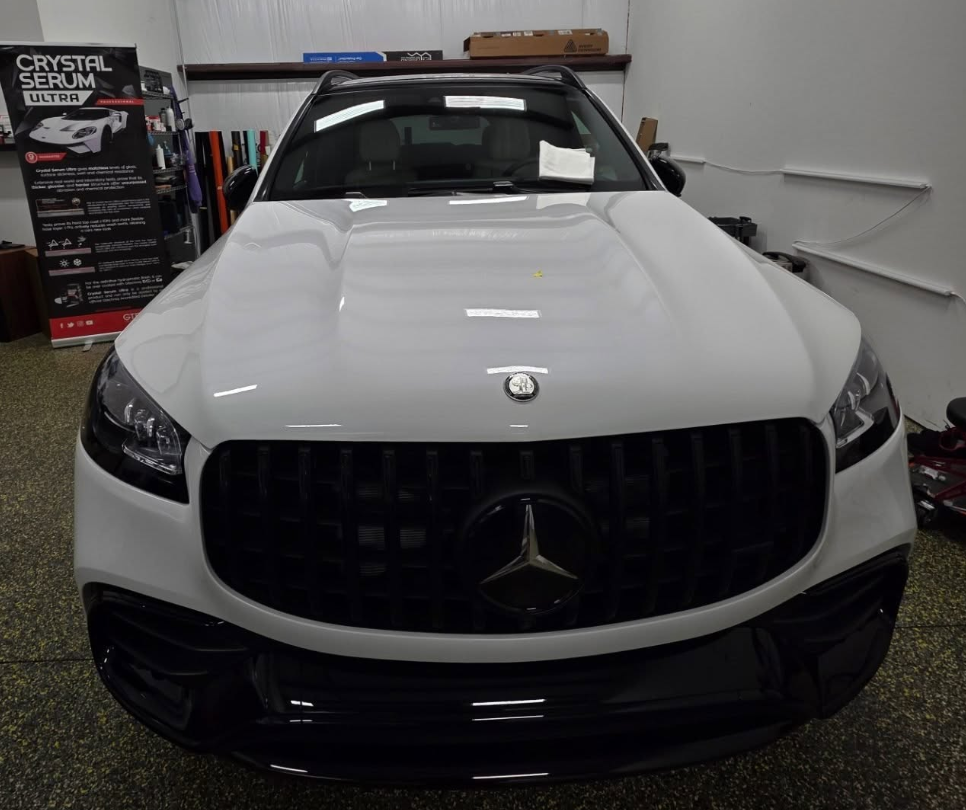
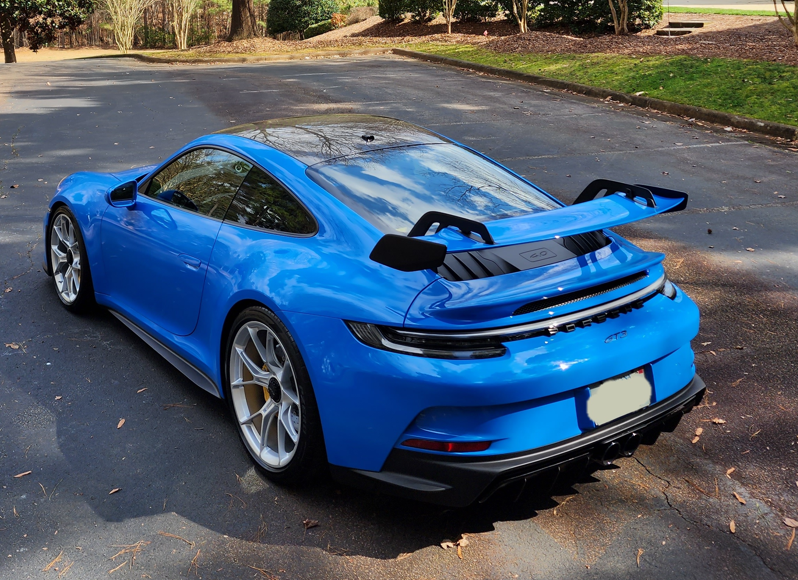
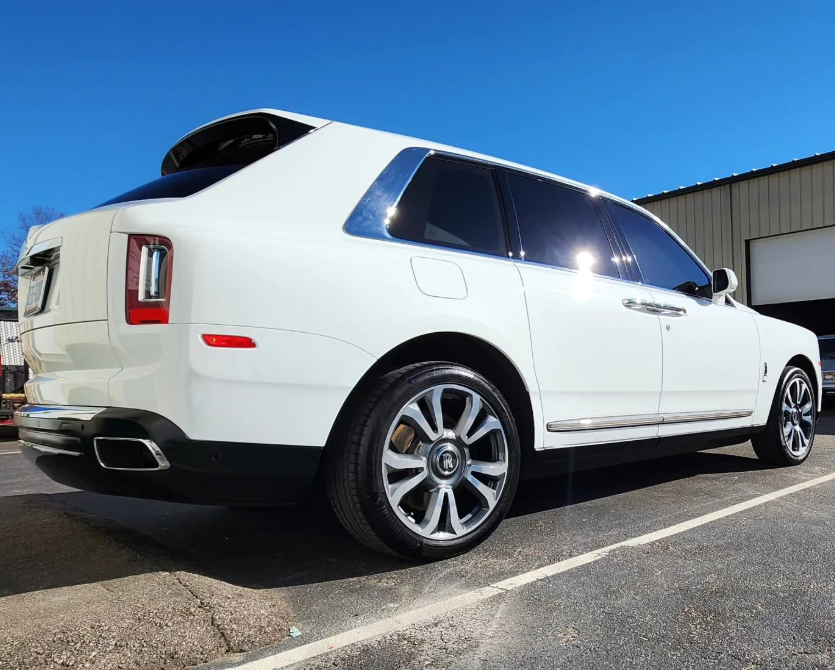
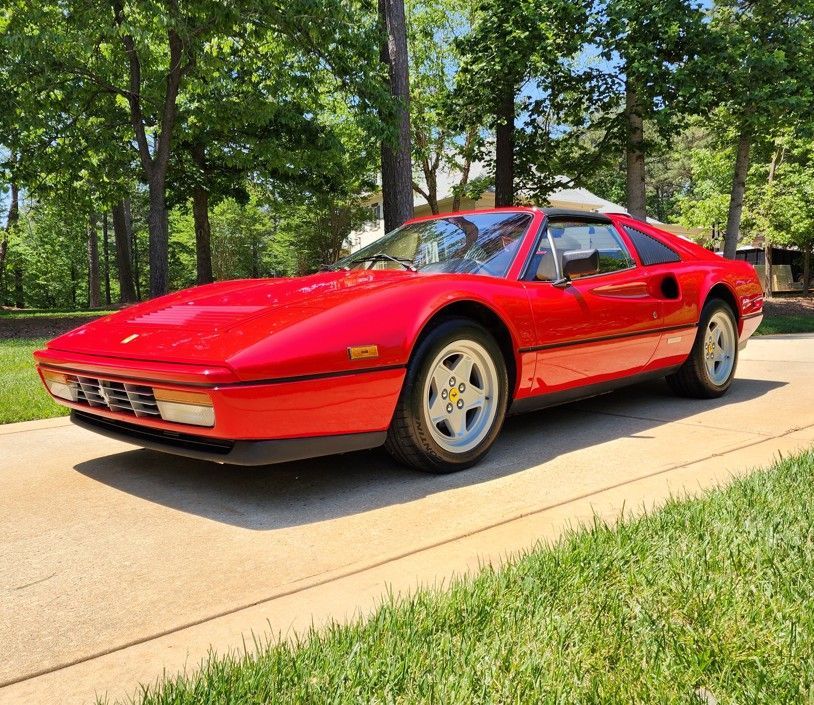
Paint Protection Film is often associated with exotic cars, luxury vehicles, and pristine weekend toys. That association makes sense because owners of expensive or specialty vehicles often place a high priority on maintaining original paint condition. But PPF is not limited to Ferraris, Porsches, or collector cars. A daily-driven sedan, SUV, truck, or performance vehicle can encounter many of the same road hazards. Highway debris, insects, minor surface contact, environmental contamination, and other everyday exposures do not discriminate based on the price of the vehicle.
The more useful question is not whether a car is expensive enough for PPF. It is whether the vehicle's use, driving environment, ownership plans, and paint-preservation goals justify the level of protection being considered. For drivers in Wake Forest and surrounding North Carolina communities, Helios Detail Studio offers professional Paint Protection Film installation with multiple coverage options for different types of vehicles and ownership priorities. Helios currently offers Full Front, Track Package, Full Car, and Color Change Full Car PPF options.
What Does Paint Protection Film Actually Do?
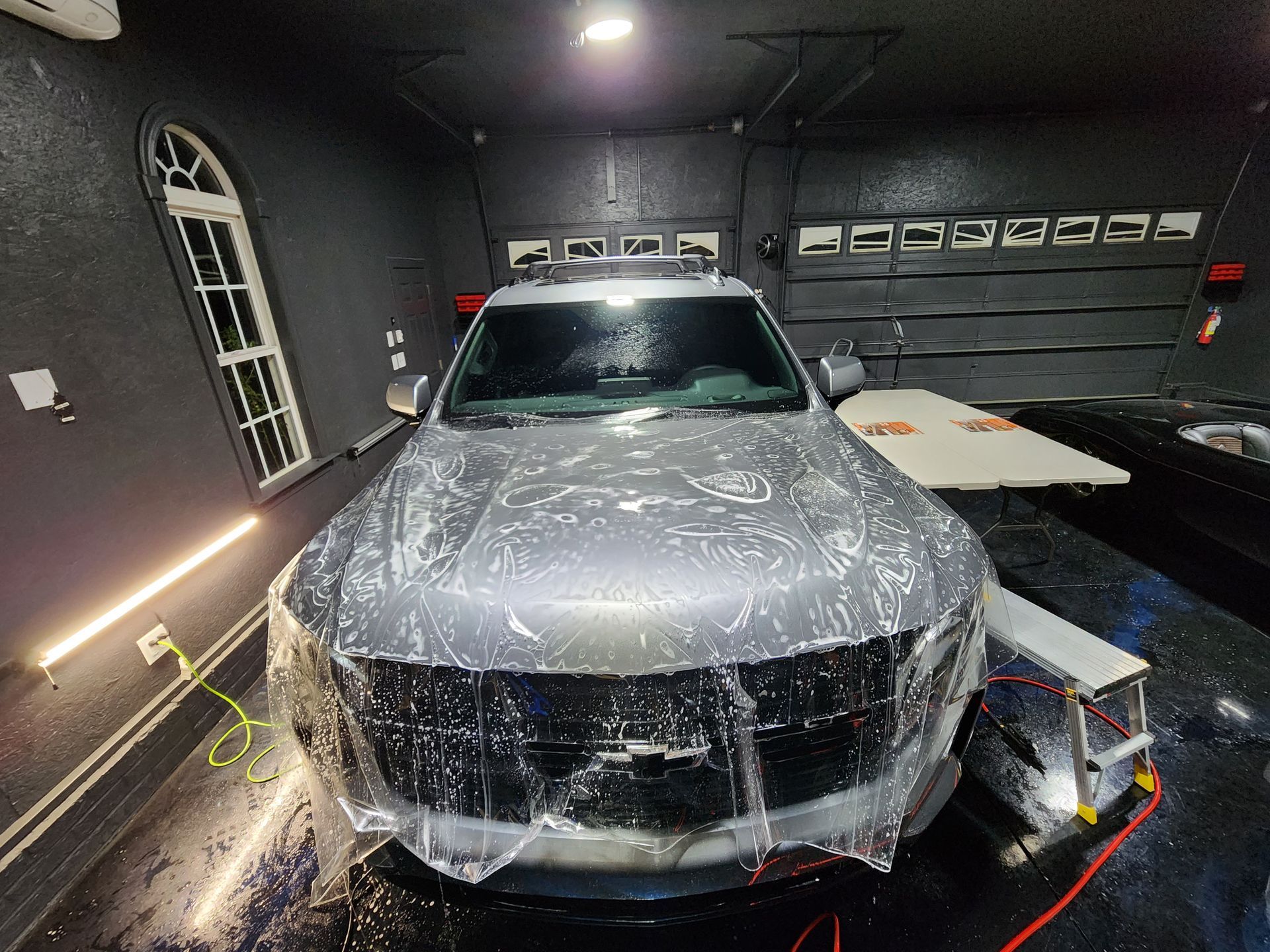
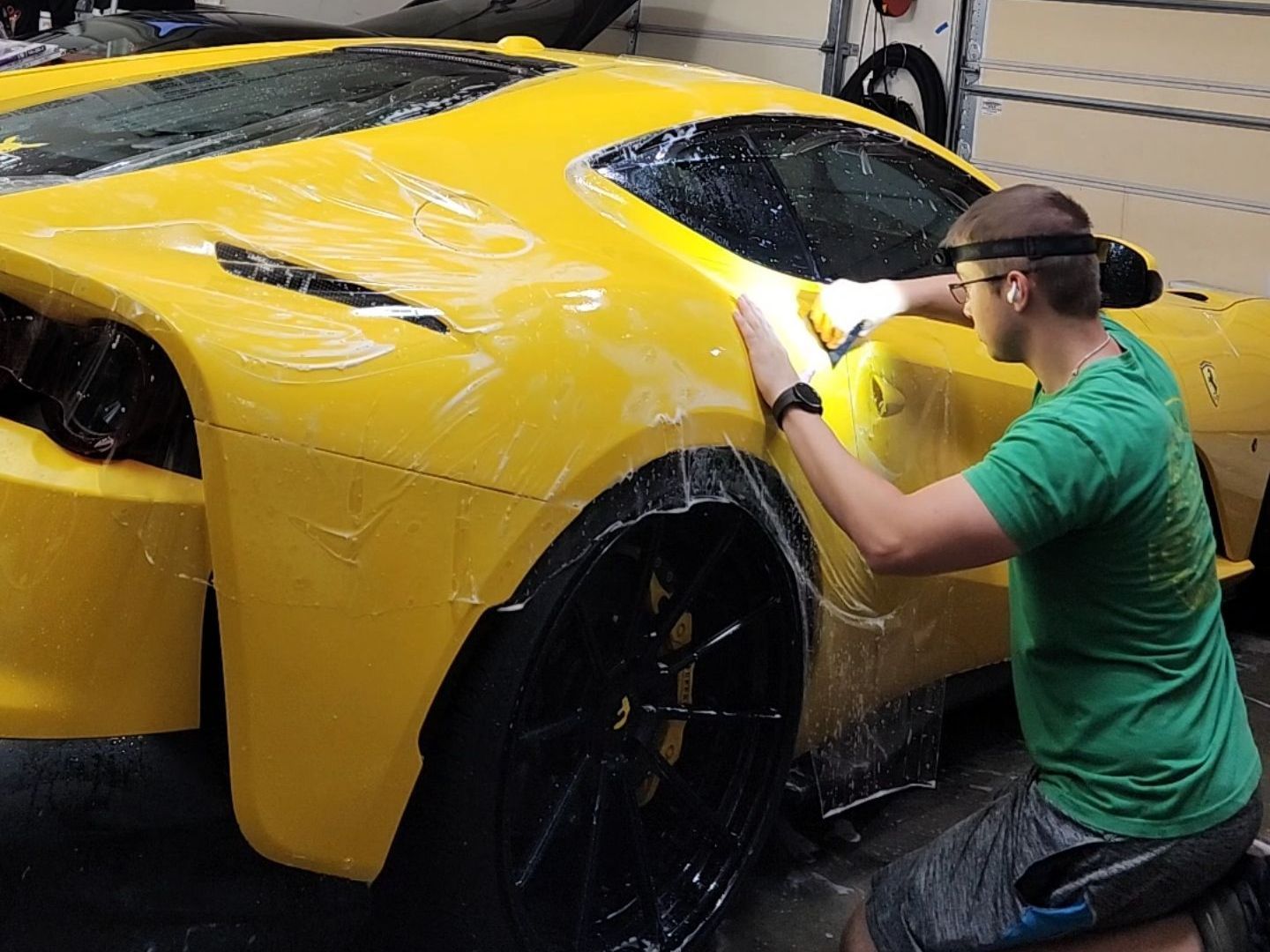
Paint Protection Film, commonly called PPF, is a transparent or colored protective film installed over painted vehicle surfaces. It acts as a sacrificial layer between the paint and many of the hazards encountered during normal driving.
Rather than allowing a minor stone impact, light abrasion, or environmental contaminant to make direct contact with the clear coat, the film receives that exposure first.
Modern premium films may also incorporate self-healing top layers. For example, XPEL states that light scratches in qualifying PPF products can self-heal with warmth. Manufacturer guidance also emphasizes proper washing and avoiding high-pressure water near film edges.
PPF should not be interpreted as making paint indestructible. A severe impact, deep cut, collision, or sufficiently large piece of debris can still damage the film and potentially the surface underneath.
The benefit is an additional physical barrier against many common forms of everyday wear.
Why PPF Makes Sense for High-End and Luxury Vehicles
Luxury and specialty vehicles often create a strong case for PPF because maintaining the original finish may be particularly important to the owner.
The paint itself may feature complex colors, specialty finishes, extensive body contours, or panels that owners would prefer not to repaint unnecessarily. Even when refinishing is possible, many enthusiasts place a premium on maintaining factory paint whenever practical.
Preserving Original Paint Condition
PPF can help protect vulnerable painted surfaces from road debris and light abrasions without requiring the owner to hide the vehicle's original finish.
Helios Detail Studio offers both clear and color-changing PPF. Clear film is intended for owners who want to maintain the existing appearance, while color-changing film gives owners another way to modify the exterior appearance while retaining a protective film layer.
For an enthusiast who carefully selected a particular factory color or finish, that combination of protection and appearance can be particularly appealing.
Greater Confidence When Driving the Vehicle
Some owners become reluctant to drive a high-end vehicle because they worry about every highway trip, construction zone, or loose piece of gravel.
PPF cannot eliminate that risk, but it can provide a sacrificial barrier on the areas most likely to experience road debris.
This may be especially relevant for sports cars, performance vehicles, collector vehicles that are still regularly driven, and owners who participate in enthusiast events or spirited driving.
Supporting Overall Vehicle Preservation
Maintaining good paint condition may contribute to the overall presentation of a vehicle when it is eventually sold or traded.
However, PPF should not be marketed as guaranteeing a particular resale increase. Vehicle value can depend on mileage, maintenance history, accident history, mechanical condition, market demand, modifications, originality, and numerous other factors.
PPF is better viewed as one tool for helping preserve exterior condition rather than as a guaranteed financial return.
Can Everyday Vehicles Benefit From PPF?
Yes. In many cases, daily drivers face greater exposure than specialty cars precisely because they spend more time on the road.
A commuter might cover thousands of highway miles while a collector car remains in a garage most of the week. The everyday vehicle can therefore experience frequent exposure to road debris, bugs, construction materials, parking-lot contact, and changing weather.
For these owners, the question becomes how much coverage makes sense.
Front-End PPF Can Be a Practical Choice
Full-car protection is not necessary for every daily driver.
Owners who are primarily concerned about highway exposure can focus on vulnerable front-facing panels instead. A Full Front package can address areas that regularly encounter debris while keeping the overall protection strategy more targeted.
Helios also offers a Track Package with expanded coverage for vehicles that experience greater exposure in performance-oriented driving conditions.
A targeted approach can make PPF relevant even when complete vehicle coverage is not the owner's priority.
Vehicle Price Is Only One Part of the Decision
An everyday vehicle does not need to be exotic to matter to its owner.
Someone who plans to keep a new SUV for many years may care deeply about maintaining its finish. A commuter with significant highway mileage may encounter more road debris than someone who occasionally drives a much more expensive sports car.
The decision should therefore consider usage rather than relying entirely on vehicle value.
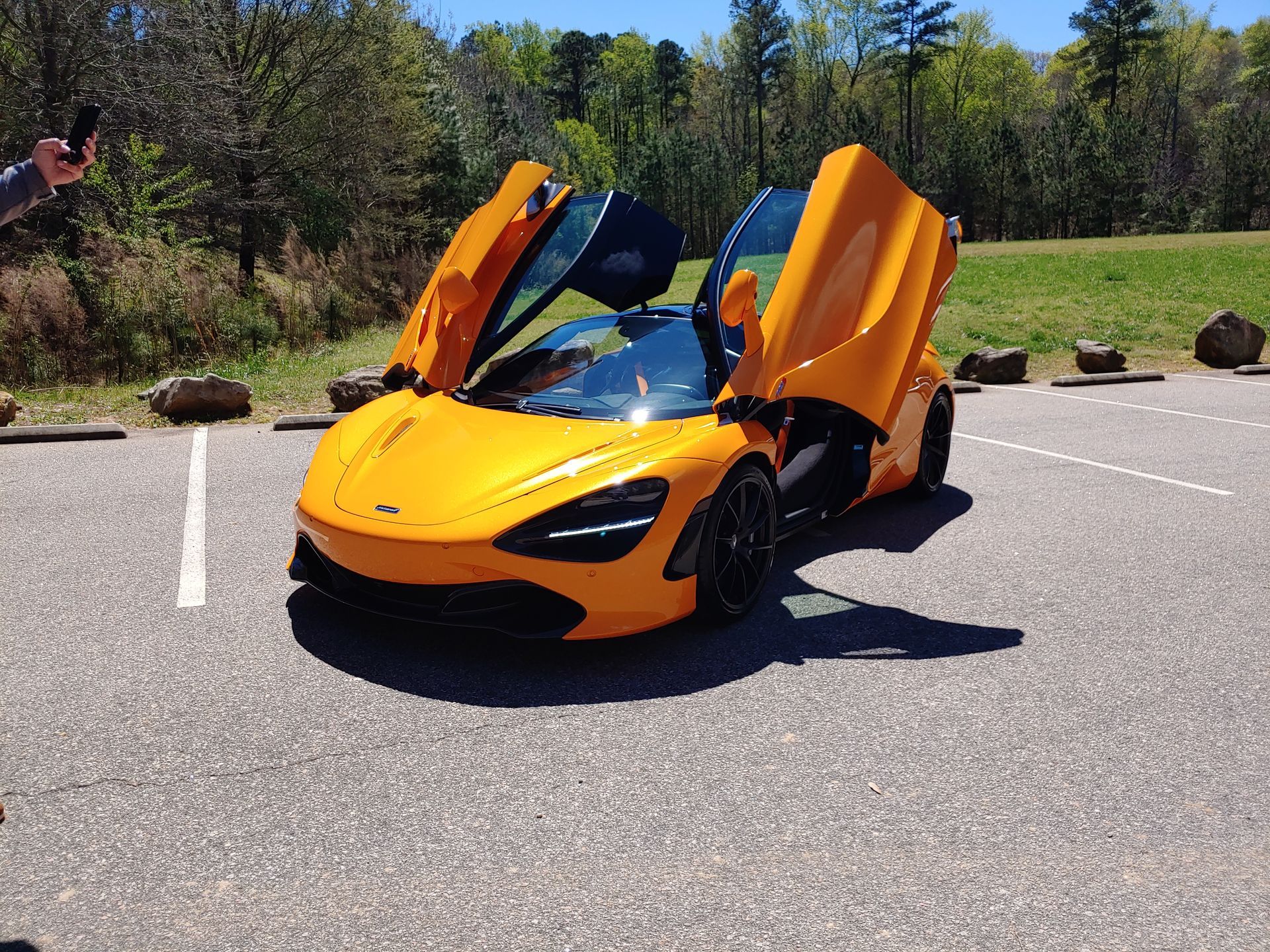
Luxury Vehicle vs Everyday Vehicle: What Actually Changes?
The protective function of PPF does not fundamentally change based on the badge on the hood.
What changes is the owner's goal.
A luxury-car owner may prioritize extensive coverage because factory finish, presentation, and cosmetic preservation are extremely important. A daily driver may prioritize the areas most likely to receive road impacts.
Both approaches can be reasonable.
Instead of automatically assuming that expensive vehicles need full PPF and affordable vehicles need none, consider three questions:
- Where does the vehicle experience the most exposure?
- How important is maintaining the original paint condition?
- How long do you expect to own and drive the vehicle?
The answers help determine whether targeted or broader coverage is appropriate.
Does PPF Replace Ceramic Coating?
No. Paint Protection Film and ceramic coating primarily address different concerns.
PPF provides a physical film barrier designed to help protect surfaces from road debris, minor abrasions, and similar physical hazards.
A ceramic coating is different. It bonds to the treated surface and is valued for characteristics such as hydrophobic behavior, gloss enhancement, chemical resistance, and easier maintenance.
Helios Detail Studio offers ceramic coating services using Gtechniq products. The studio's current ceramic packages include options such as Gtechniq EXO, Serum Light, and Ultra.
For some owners, PPF and ceramic coating can complement one another. PPF can address vulnerable areas where physical protection matters most, while a compatible coating can support easier maintenance and exterior appearance.
Why PPF Installation Quality Matters on Any Vehicle
Whether the vehicle is an exotic car or an everyday commuter, installation quality matters.
PPF has to conform to body lines, curves, panel edges, openings, and other complex surfaces. Preparation also matters because contamination or imperfections can affect how the finished installation looks.
Poor workmanship can result in undesirable edges, trapped contamination, lifting, or other visible installation issues.
Helios Detail Studio operates from its Wake Forest, North Carolina location and provides PPF alongside ceramic coatings, window tinting, paint correction, and detailing. The business states that it has been established since 2010.
That experience is particularly relevant to Helios customers, who are not simply purchasing film. They are trusting the installer with a vehicle they want to preserve.
How Much PPF Coverage Does Your Vehicle Need?
There is no universal answer.
Full Front PPF
This approach can make sense for drivers primarily concerned with debris hitting forward-facing areas during everyday or highway driving.
Track-Oriented Coverage
Drivers who participate in performance driving or who want protection in additional high-exposure areas may benefit from expanded coverage.
Full-Car PPF
Full coverage is generally better suited to owners seeking broader preservation across painted exterior surfaces rather than focusing only on the most exposed sections.
Color Change PPF
Owners who want to alter their vehicle's appearance while gaining the benefits of a protective film can also consider color-changing PPF. Helios currently offers both clear and color-changing film at its Wake Forest studio.
The best option depends more on how you use and value the vehicle than on whether the vehicle falls into a particular price category.
What Should You Consider Before Investing in PPF?
Start with your real driving conditions.
If you commute regularly on highways or frequently encounter road construction, debris exposure may be a bigger concern. If the vehicle spends most of its time garaged and is only driven occasionally, the protection priorities may be different.
Next, consider how long you plan to keep the vehicle. Someone planning several years of ownership may place greater value on preserving paint condition throughout that period.
You should also decide how much cosmetic wear bothers you. Some drivers accept normal chips as part of vehicle ownership. Others want to maintain the finish as carefully as possible.
Finally, compare installers as carefully as you compare film products. Preparation, application quality, product knowledge, aftercare guidance, and warranty information can all affect the ownership experience.
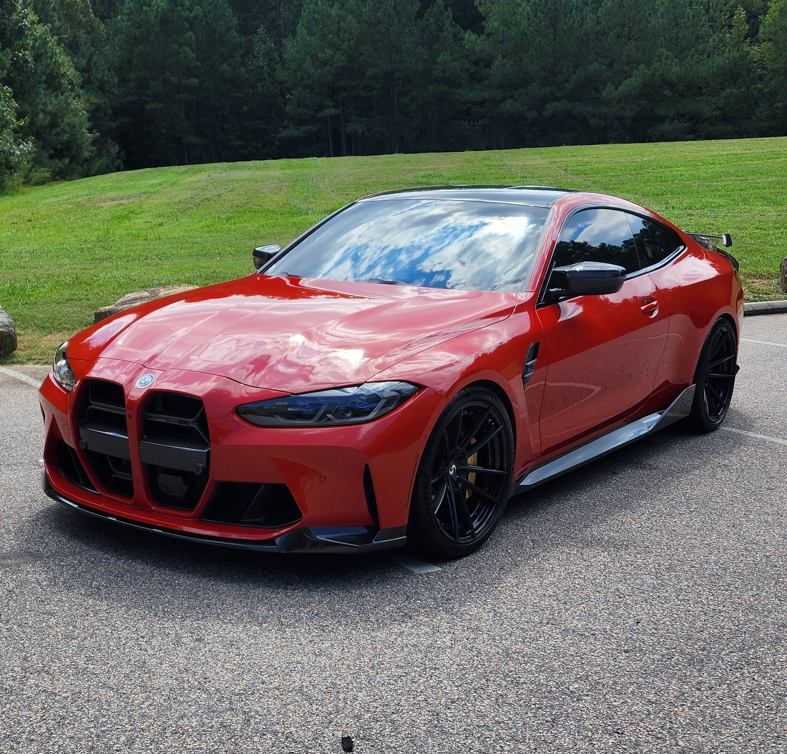
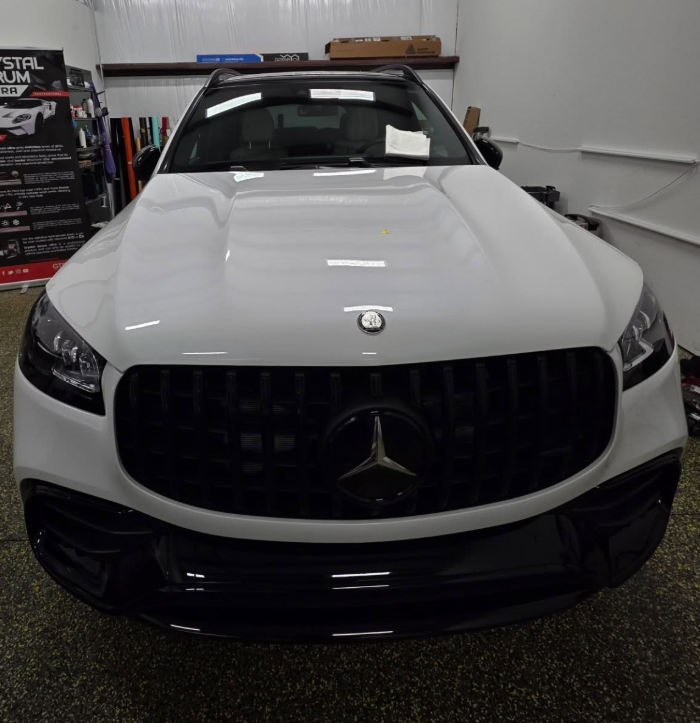
Choose PPF Based on Your Vehicle, Not Its Price Tag
Paint Protection Film is not exclusively a luxury-car product. An exotic vehicle may justify extensive protection because maintaining original paint condition is a major priority. An everyday commuter may benefit for a different reason: it spends more time exposed to highways, road debris, parking lots, and environmental contamination.
The right question is therefore not, "Is my vehicle expensive enough for PPF?" A better question is, "Which areas of my vehicle would I most like to protect, and what level of coverage fits the way I use it?"
Helios Detail Studio offers multiple PPF package options for vehicle owners in Wake Forest, NC, including clear and color-changing film. To discuss which option fits your vehicle, request a quote or call 919-669-0268. The current contact page confirms the Wake Forest studio location and consultation option.
FAQs About PPF for Different Vehicles
Is PPF only worth it for luxury cars?
No. Vehicle price is only one consideration. Daily driving conditions, highway mileage, ownership length, desired paint condition, and the areas exposed to road debris can be equally important. A daily driver may benefit from targeted PPF even when full-car coverage is unnecessary.
Should I put PPF on my entire daily driver?
Not necessarily. Many owners focus on higher-exposure areas rather than covering the entire vehicle. The appropriate coverage depends on where and how the vehicle is driven and how much paint preservation matters to the owner.
Does a luxury vehicle need full-car PPF?
Not automatically. Full-car PPF can make sense for an owner seeking broader exterior preservation, but a luxury vehicle can also receive targeted coverage. The decision should reflect actual use and protection goals rather than vehicle price alone.
Can PPF prevent every rock chip?
No. PPF provides a sacrificial protective layer that can help reduce direct damage from many road-debris impacts, but no automotive film can guarantee protection against every impact or accident. XPEL itself describes PPF as a sacrificial protective layer and excludes many forms of externally caused damage from its product warranty.
Does self-healing PPF repair deep scratches?
No. Self-healing properties apply to qualifying light surface scratches in the film. Deep cuts, punctures, tears, and severe damage may require professional inspection or film replacement. XPEL's care guidance specifically describes self-healing behavior for light scratches.
How long can premium PPF last?
Service life varies according to the product, driving environment, exposure, installation, and maintenance. Some premium PPF products carry manufacturer warranties of up to 10 years against specified defects such as yellowing, cracking, blistering, and delamination when warranty conditions are met.
Can PPF and ceramic coating be used together?
Yes. They perform different primary functions and can be complementary when the products are compatible. PPF provides the physical film barrier, while ceramic coating can add hydrophobic characteristics, gloss, and easier maintenance.