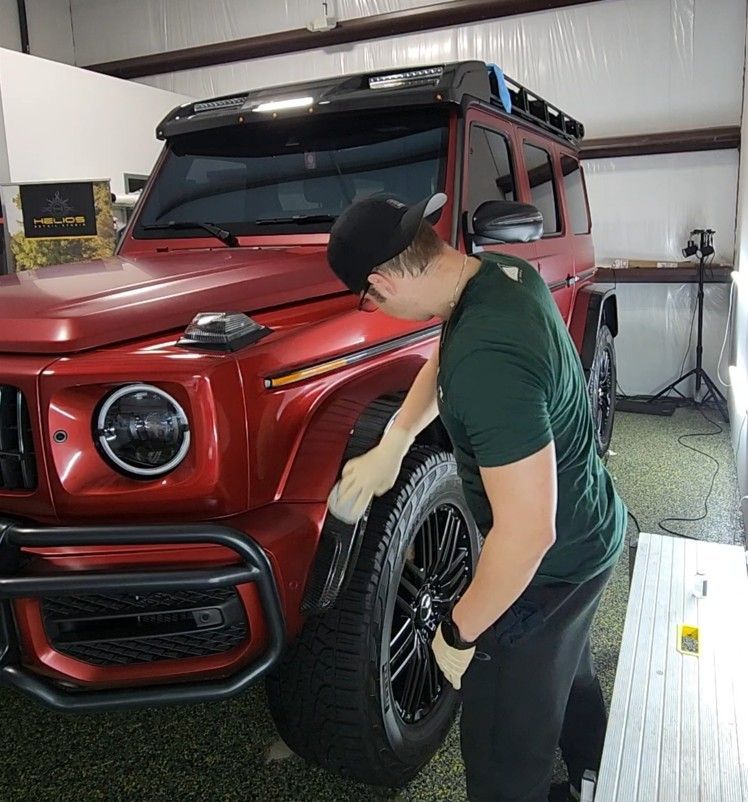
Tinting Benefits for Interior Fade and Upholstery Protection
A Wake Forest Guide to Car UV Damage Prevention
Sunlight streaming through your car windows might seem harmless, but it quietly damages your interior every day. That bright glow carries ultraviolet (UV) rays that fade colors, dry out leather, and wear down upholstery faster than most owners expect. The fix is straightforward: professional window tinting. It keeps your cabin cooler and acts like sunscreen for your interior, shielding seats, trim, and the dashboard from a threat you cannot see. Here is how it works and why it matters in North Carolina.
Quality window film blocks up to 99% of harmful UV rays, a primary cause of fading in car interiors. By cutting UV exposure and limiting heat buildup, tint preserves the material integrity of interior surfaces and extends their lifespan.
Why Interior Protection Matters in the Triangle
When sunlight pours through untinted glass, UV rays go to work on your interior. Fabrics fade. Leather and vinyl dry out, stiffen, and eventually crack. The change is gradual enough that most drivers do not notice until the seats have lost their depth of color and the dashboard has turned chalky and brittle.
Raleigh and the greater Wake Forest area make this a year round concern. The Triangle sees more than 220 sunny days annually, with intense UV exposure from April through October and summer temperatures that regularly reach 90 degrees.
Window tinting intercepts that damage before it starts. Premium film blocks up to 99% of UVA and UVB radiation, slowing a chemical breakdown that otherwise goes unnoticed until the repair bill arrives. This is not only about appearance. A cabin that still looks new protects resale value, which matters to any owner who treats a vehicle as an investment. At Helios Detail Studio, we pair premium ceramic and IR ceramic films with precise application so that protection performs as engineered.
Benefits of professional window tinting for interior protection include:
- Consistent UV rejection without sacrificing visibility
- Reduced glare and less eye strain on the road
- Added daytime privacy without a heavy, closed in cabin
- Preservation of upholstery color and texture
- Lower cabin temperatures and less strain on your air conditioning
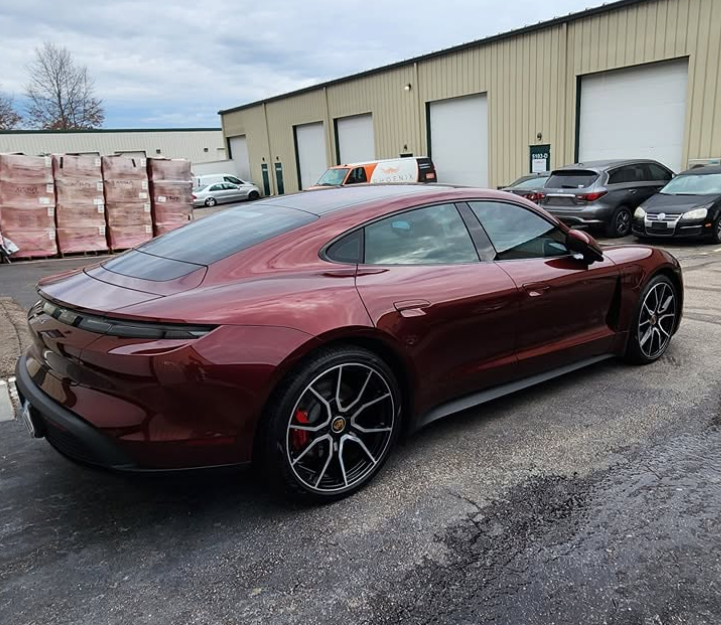

How Window Tint Blocks UV Rays
Tint’s protective power comes from how it is built. Most films start with a polyester base, a tough clear sheet that acts as the backbone, and what sits on top determines performance. Dyes absorb certain wavelengths, metals reflect heat and UV energy, and ceramic particles scatter harmful rays without clouding your view.
Nano ceramic technology strikes a rare balance. It blocks up to 99% of UVA and UVB rays while maintaining high visible light transmission, so you gain protection without turning your windows into dark panels. Ceramic films also carry no metal content, so they do not interfere with GPS, cellular, or Bluetooth signals.
A laminated windshield already filters most UV, but the tempered side and rear glass in most vehicles lets a significant share of UVA pass straight through to your seats, door panels, and dash. Those surfaces fade first, and they are exactly what film protects.
Tint also manages infrared energy, a separate problem from UV. UV causes chemical breakdown over time, while infrared drives the heat buildup that makes a cabin uncomfortable and forces your air conditioning to work harder. Our ceramic and IR ceramic films reject up to 84% to 94% of infrared heat, easing climate control demands while protecting interiors from warping and drying.
Preserving Leather, Fabric, and Vinyl
Interior materials fail in different ways. Leather loses its natural oils under repeated UV exposure, then cracks along the seams and bolsters where it flexes most. Fabric weakens as fibers degrade, which makes tears and pulls more likely. Vinyl and plastic trim grows stiff, warps, and loses its finish.
Heat accelerates every one of those processes. A vehicle parked in direct summer sun can see dashboard surface temperatures climb well past 140 degrees, which actively cooks materials built to last a decade.
Quality film addresses both causes at once. By blocking UV and rejecting infrared heat, it slows fading and breakdown across every surface in the cabin, and that protection compounds year after year.
Heat Reduction and Daily Comfort
Untinted glass does not just brighten your car. It heats every surface inside, from the steering wheel to the seats. Tint reflects and absorbs a large share of that solar energy before it enters the cabin, and the difference is immediate the first time you open the door after a day in the sun.
That cooling advantage is practical, not just pleasant. Your air conditioning works less, which reduces fuel use and eases wear on the compressor over time. Modern ceramic films deliver this heat rejection without heavy darkening, so you stay comfortable, keep clear outward visibility, and remain within North Carolina’s legal tint limits.
Added Privacy and Safety
Tint also functions as a quiet security layer. When passersby cannot see into your cabin, the temptation for opportunistic theft drops, and bags, tools, and electronics stay out of view.
Privacy depends on the film’s visible light transmission, or VLT. A lower VLT means less visibility inward while you retain a clear view out. North Carolina sets VLT limits for each window position, and a compliant installation gives you privacy without an inspection problem. Film also helps hold shattered glass together in a collision rather than letting fragments scatter through the cabin.
Choosing the Right Film for Your Vehicle
Selecting tint means balancing performance, budget, and how you use the vehicle. A daily commuter parked outside has different needs from a weekend car that lives in a garage.
Dyed films are the entry point. They improve appearance and cut glare, but heat rejection is limited and they fade over time.
Metalized films use metallic particles to reflect UV and heat. They outperform dyed film, but the metal content can interfere with radio, GPS, and cellular signals.
Carbon films block meaningful UV and heat with no metal content and no signal interference, and they hold their color far longer than dyed film.
Ceramic and IR ceramic films sit at the top. They deliver the highest infrared heat rejection, block upwards of 99% of UV, and maintain excellent optical clarity with no signal interference. They cost more up front and carry the strongest warranties.
For drivers focused on long term interior protection, ceramic is the clear choice. The higher initial investment pays back through preserved resale value and a cabin that still looks new years later.
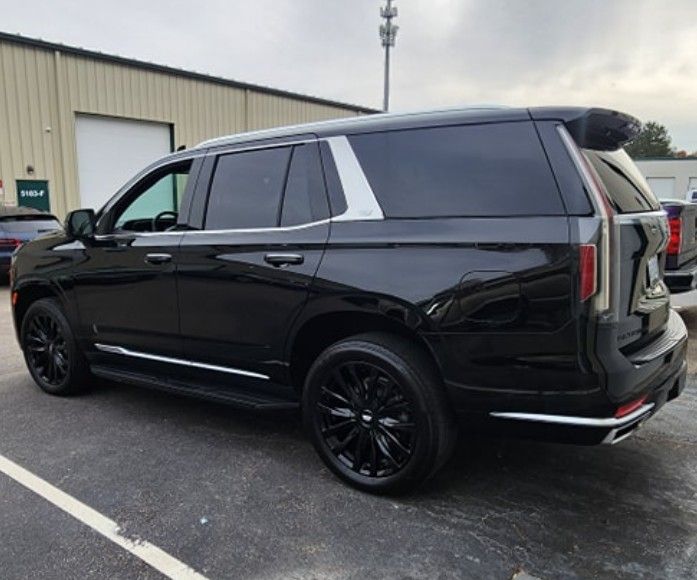
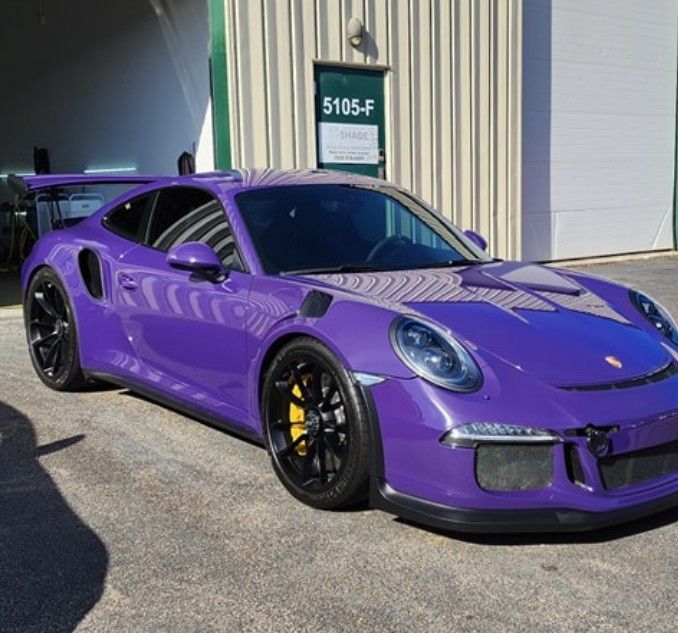
Professional Installation and Aftercare
Installation quality determines whether film performs as promised. Trained technicians bring the preparation, measurement, and technique that DIY kits cannot match, preventing the bubbles, creases, and peeling that ruin both appearance and protection.
At Helios Detail Studio, every window tint is installed in a climate controlled environment using computer cut patterns matched to your vehicle’s make and model. That means no gaps, no creases, and a clean edge on every window, plus a stronger bond and longer life.
Aftercare is simple. Film needs several days to bond fully, so avoid rolling your windows down during the first week. Skip ammonia based cleaners, which degrade film over time, and use an ammonia free product with a soft microfiber cloth. We include complimentary six month inspections with our protection packages.
Protect Your Interior Before the Next Carolina Summer
Helios Detail Studio has served Wake Forest and the Triangle since 2010. We earned our Gtechniq certification for automotive ceramic coatings in 2016 and added marine ceramic coatings in 2020, and we bring that same standard to every window tint installation, whether the vehicle is a daily driver, a weekend car, an RV, or a boat.
Whether your interior is already showing fade or you want to protect a new vehicle before the sun gets to it, we will help you choose the right film and install it correctly the first time.
Call Helios Detail Studio at 919-669-0268 or request a quote to schedule your consultation. You will find us at 5105 Unicon Drive, Suite G, Wake Forest, NC 27587.
Frequently Asked Questions
What types of window film are most effective for protecting car upholstery?
Ceramic and nano ceramic films are the most effective. They block up to 99% of UV rays without compromising visibility and reject far more infrared heat than dyed film. Because they address both causes of interior damage, they keep upholstery color and texture intact longer.
Can window tinting lower interior temperatures and prevent heat damage?
Yes. Our ceramic and IR ceramic films reject up to 84% to 94% of infrared heat, the energy responsible for cabin heat buildup. That means less thermal stress on leather, vinyl, and plastic trim, and less strain on your air conditioning.
Which wavelengths of light does tint block to prevent fabric fading?
Tint targets ultraviolet radiation, specifically the UVA and UVB wavelengths that drive most fabric and dye breakdown. Quality films block up to 99% of both, and premium films also reject the infrared energy that makes a cabin hot.
How long does window tint last?
Professionally installed quality film performs for many years, and ceramic is the most durable option available. Longevity depends on film quality, installation, sun exposure, and aftercare. Cheap film and DIY kits are the usual reason tint bubbles or peels early.
Is window tinting legal in North Carolina?
Yes, within limits. North Carolina regulates visible light transmission by window position, including specific rules for the windshield strip and for side and rear glass. Every installation at Helios Detail Studio meets state VLT requirements, so your vehicle stays compliant at inspection.
Will tint help if my car is parked outside all day?
That is exactly where it helps most. Vehicles that sit in open lots or driveways take the heaviest UV and heat load, and they show interior fade first. Tint is the most cost effective protection for a car without covered parking.
Can I tint an RV or boat as well as my car?
Yes. Helios Detail Studio works on cars, RVs, and boats, and we have held Gtechniq marine certification since 2020. Interior fade is just as much a problem on the water as on the road.