Common Myths About PPF Debunked: Facts About Paint Protection Film
Paint Protection Film, commonly called PPF, has changed significantly over the years, but many of the myths surrounding it have not. Some drivers still picture PPF as a thick plastic layer that yellows quickly, requires complicated maintenance, or only makes sense for exotic vehicles.
Modern paint protection film is designed for a much different purpose. It acts as a sacrificial layer between your vehicle's paint and many of the hazards encountered during everyday driving, including road debris, light abrasions, environmental contamination, and minor surface contact.
For vehicle owners in Wake Forest, Raleigh, Rolesville, Youngsville, and surrounding North Carolina communities, understanding what PPF can and cannot do makes it easier to decide whether the protection fits your vehicle, driving habits, and ownership goals.
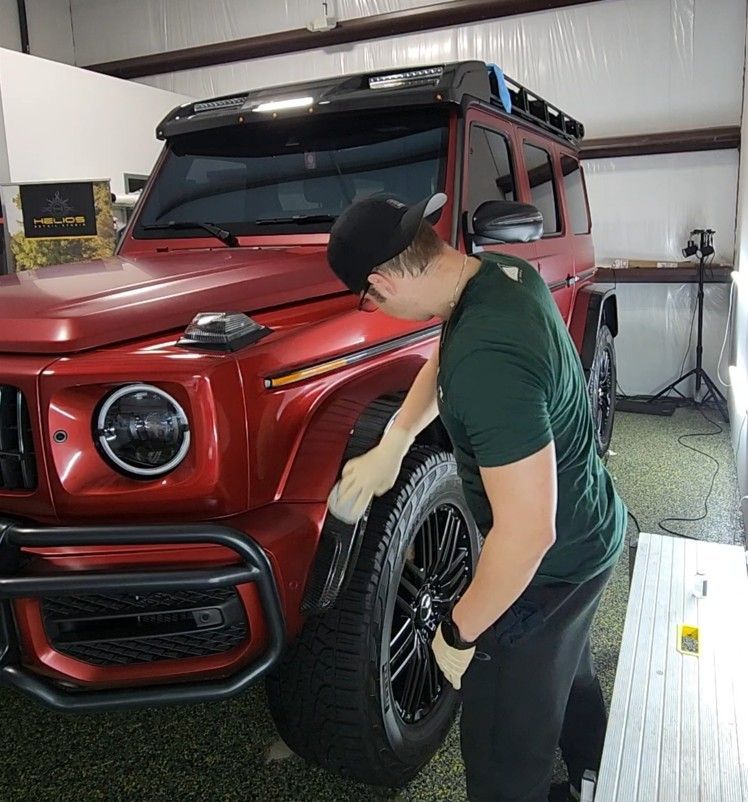
At Helios Detail Studio, drivers can choose professional
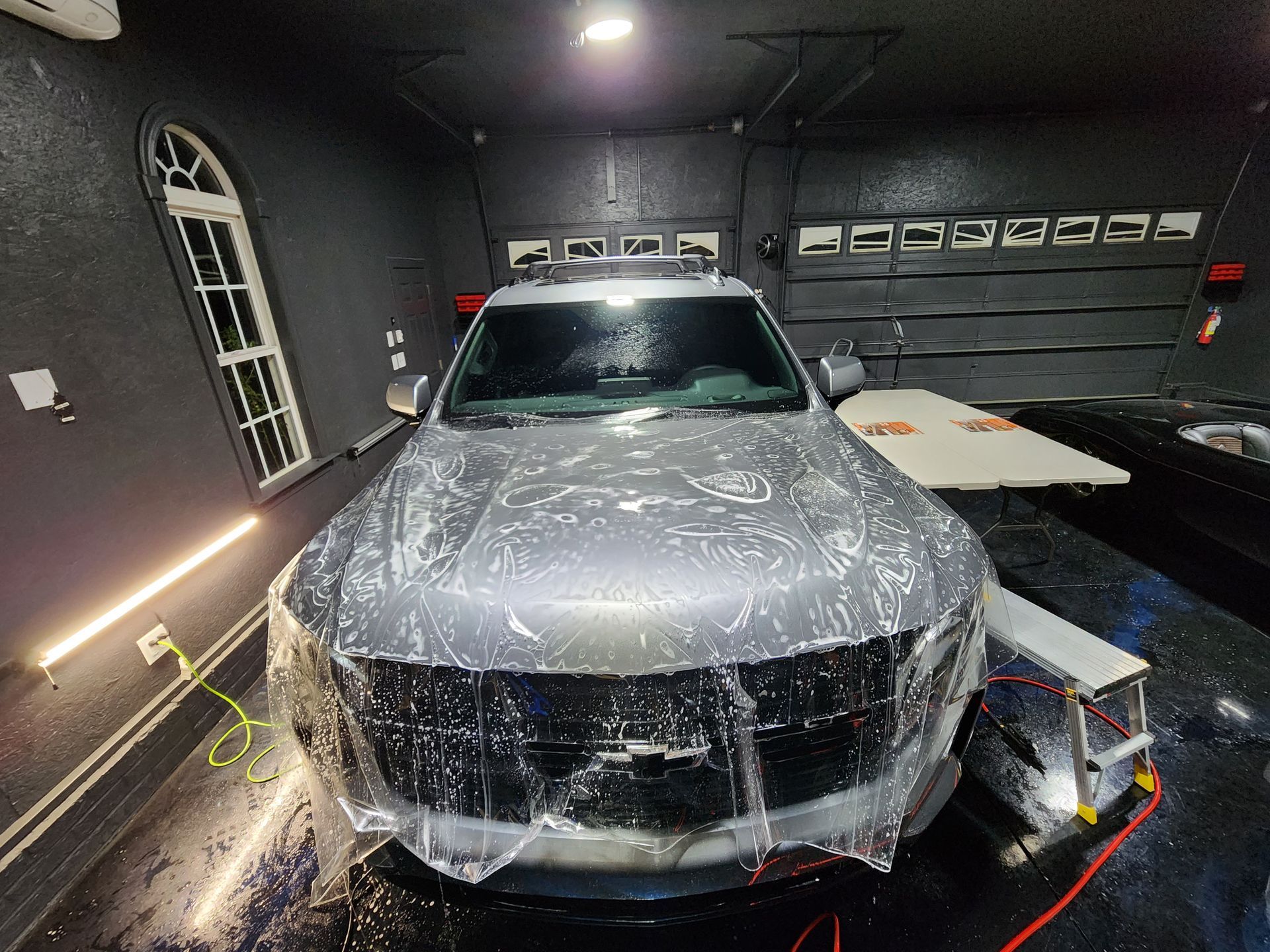
Paint Protection Film installation with options ranging from Full Front and Track Package coverage to Full Car and Color Change PPF. The key is separating realistic protection benefits from the myths that often surround the product.
Myth 1: Paint Protection Film Always Turns Yellow
One of the oldest PPF myths is that clear film inevitably becomes yellow and noticeably changes the color of the vehicle.
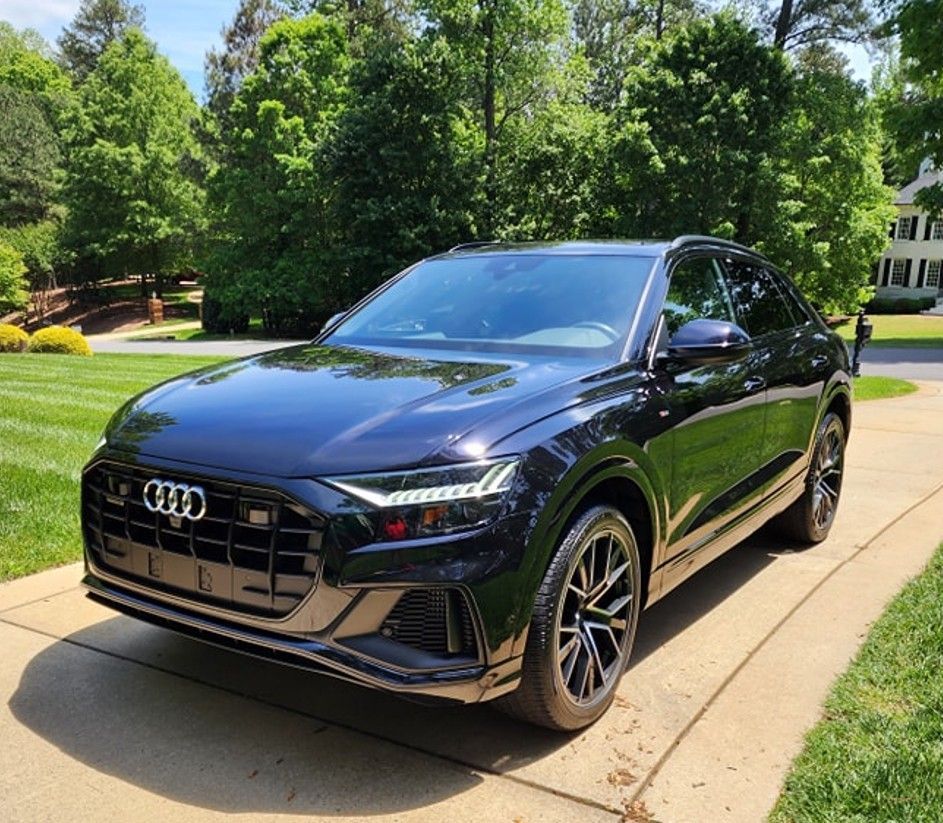
That concern is largely associated with older materials and lower-quality products. Modern premium films are engineered to resist common forms of discoloration and degradation. For example, some current manufacturer warranties specifically cover defects such as yellowing, cracking, blistering, and delamination when qualifying films are professionally installed and maintained according to the manufacturer's requirements.
That does not mean every film will remain perfect indefinitely. The product selected, installation quality, environmental exposure, contamination, washing practices, and age can all affect appearance.
Sometimes what looks like yellowing is actually contamination or staining on the film's surface. Road grime, insects, minerals, and other residue can alter the way a clear surface looks without indicating that the film itself has failed.
Routine cleaning and timely removal of contaminants can therefore play an important role in maintaining clarity.
Myth 2: PPF Makes Your Vehicle Look Covered in Plastic
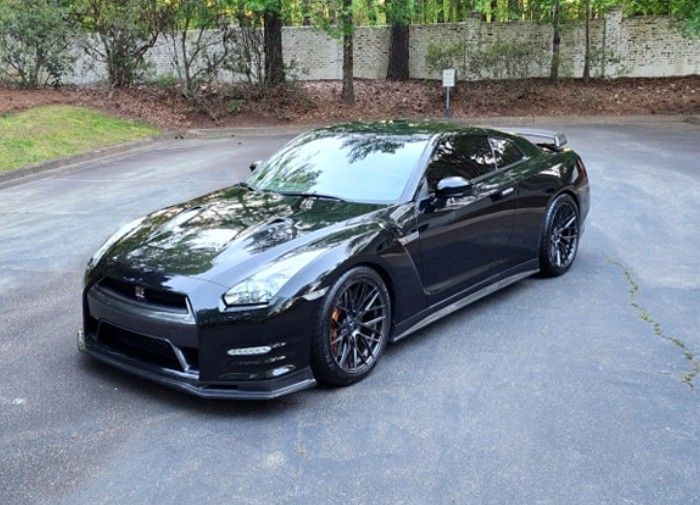
High-quality clear PPF is intended to preserve the appearance of the paint rather than hide it. When professionally installed, the film should closely follow the vehicle's panels and provide protection without dramatically changing the factory finish.
Drivers are also no longer limited to traditional clear gloss film.
Helios Detail Studio currently offers both clear and color-changing PPF. Clear film allows owners to retain their vehicle's existing appearance, while color-changing film gives them an opportunity to alter the exterior style while still adding a protective film layer.
This makes car PPF relevant to owners who prioritize originality as well as those who want to personalize a vehicle.
Myth 3: PPF Makes Paint Completely Scratch Proof
Paint protection film is protective, but it does not make a vehicle invincible.
PPF can help reduce damage from road debris, small nicks, light abrasions, and other common driving hazards. It acts as a barrier so many impacts reach the replaceable film before they reach the painted surface underneath.
However, severe impacts, deep cuts, collisions, or large debris can still damage the film and potentially the paint beneath it. Even manufacturer warranty information distinguishes manufacturing defects from damage caused by accidents, abuse, improper washing, scratches, chips, and other outside forces.
PPF should therefore be viewed as an added layer of defense rather than a guarantee against every type of paint damage.
Myth 4: Self-Healing PPF Repairs Every Kind of Damage
The phrase "self-healing" can create unrealistic expectations.
Modern self-healing film can recover from certain minor surface marks when the film's top layer is exposed to warmth. Depending on the product, normal ambient warmth, sunlight, or warm water can help the surface recover from light marks.
Manufacturer care guidance for self-healing PPF confirms that light surface scratches can recover through heat activation, while Helios also describes the self-healing behavior of its PPF options.
Self-healing does not mean a torn, punctured, deeply gouged, or severely damaged film will rebuild itself. Damage that penetrates beyond the film's self-healing top layer may require professional inspection or replacement of the affected section.
This distinction is important when comparing realistic PPF performance with marketing language that makes the material sound indestructible.
Myth 5: Paint Protection Film Requires Complicated Maintenance
PPF does require proper care, but maintaining it does not have to become a complicated routine.
Gentle washing, suitable automotive cleaning products, proper drying techniques, and prompt removal of contaminants can help preserve the film. Manufacturers also warn against aggressive washing practices and high-pressure water near film edges because improper techniques can damage the material or cause lifting.
Owners should also avoid assuming that every chemical, polish, or abrasive cleaning product that is safe for bare paint is automatically appropriate for PPF.
Following the film manufacturer's care recommendations and asking the installer about maintenance can reduce unnecessary guesswork.
For drivers who want additional help keeping the rest of the vehicle's exterior in good condition, Helios Detail Studio also provides paint correction and detailing services.
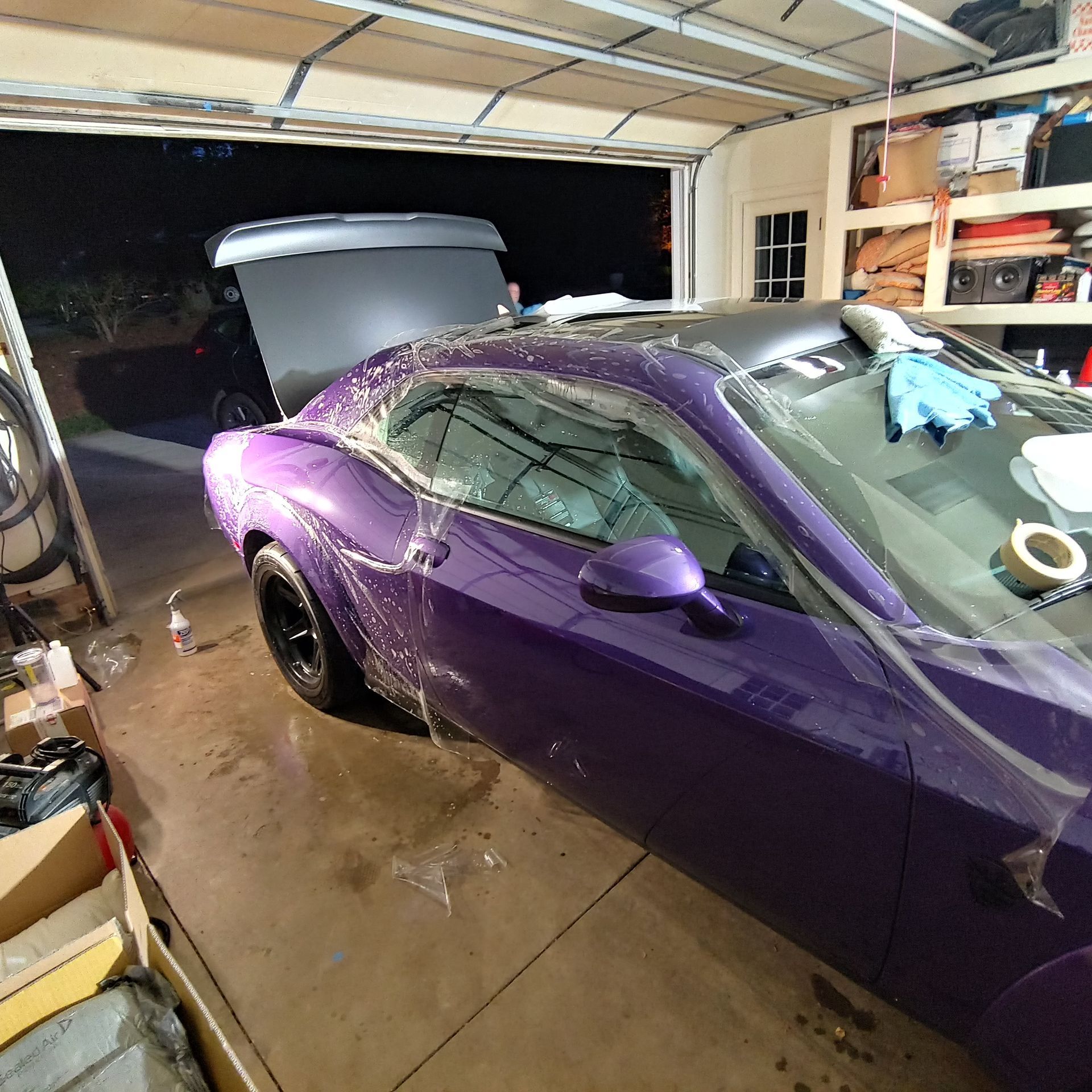
Myth 6: PPF Is Only for Exotic or Luxury Cars
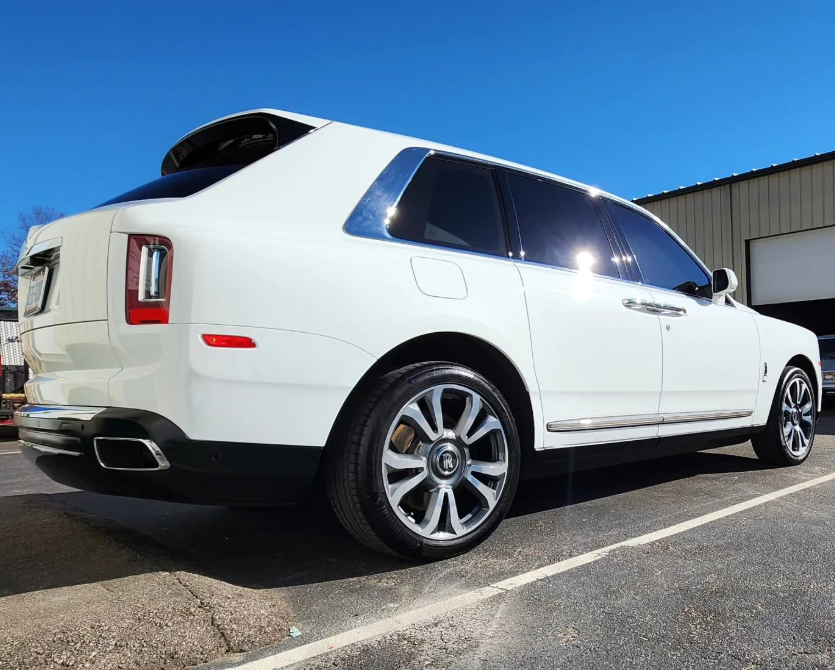
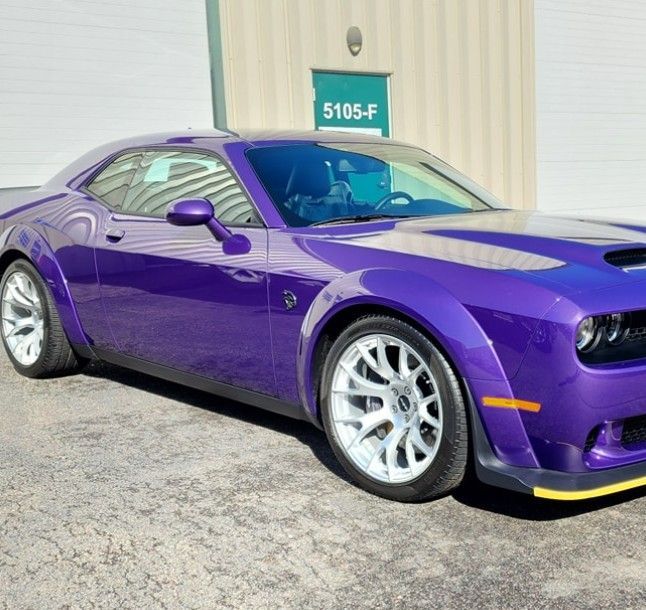
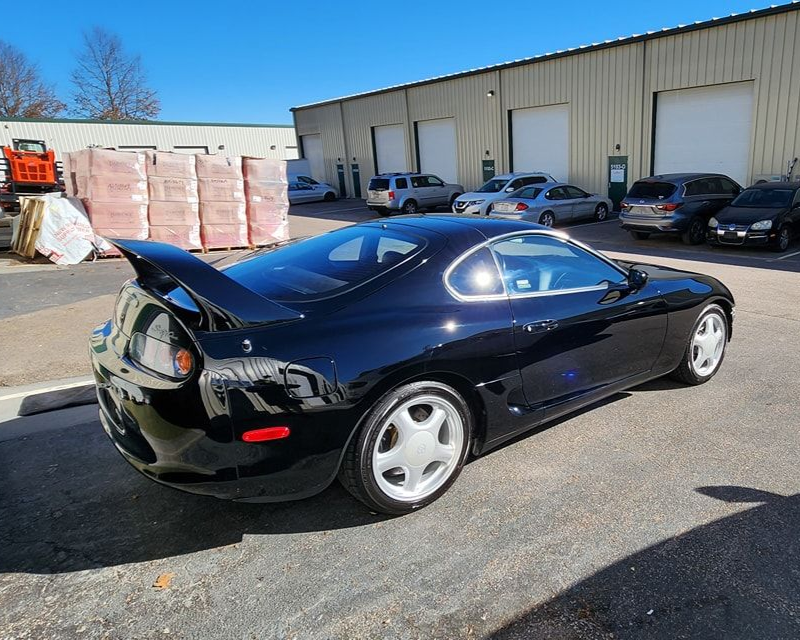
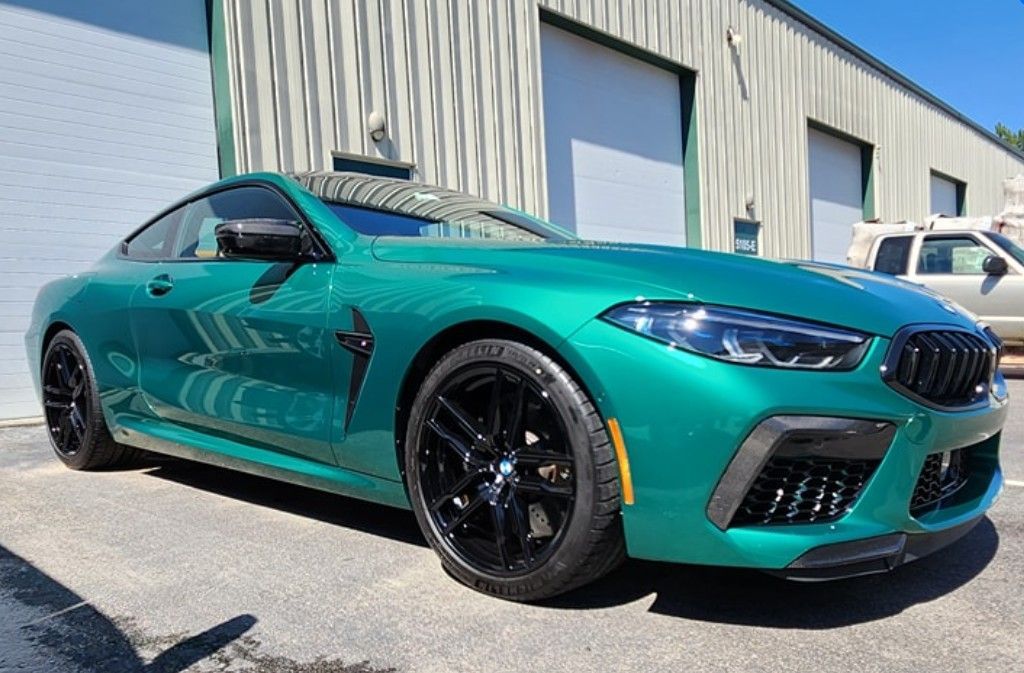
A high-end sports car may be an obvious candidate for paint protection film, but vehicle price alone does not determine whether PPF makes sense.
Daily drivers can encounter road debris, highway construction, insects, parking-lot hazards, tree contamination, and other sources of wear just as easily as specialty vehicles.
A more useful question is which areas of your particular vehicle face the greatest exposure.
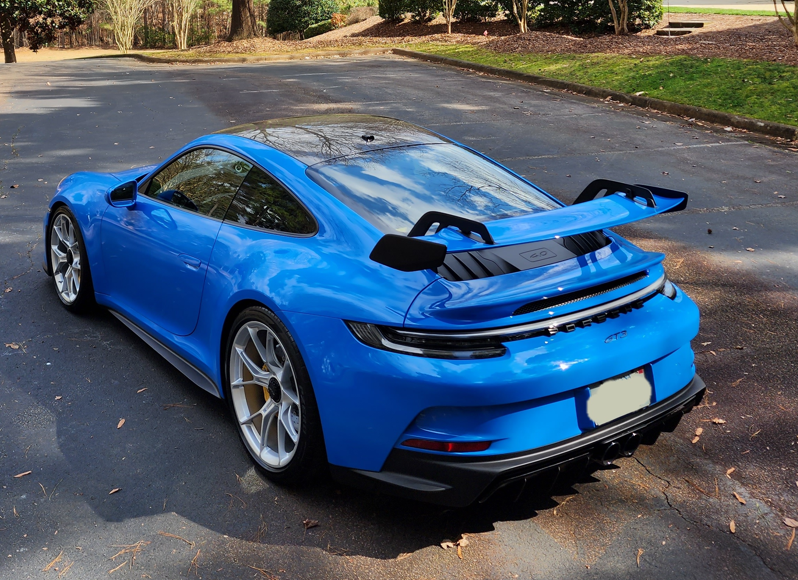
Someone who drives extensively on highways may prioritize the bumper, hood, fenders, mirrors, and headlights. A performance-car owner who participates in spirited driving or track events may want greater coverage around rocker panels and rear impact areas. An owner who wants broad paint preservation may prefer complete vehicle coverage.
Helios offers Full Front, Track Package, Full Car, and Color Change Full Car options, allowing the coverage decision to reflect the vehicle and how it is used rather than its badge or purchase price alone.
Myth 7: Any Installer Can Produce the Same PPF Results
Film quality is only part of a successful PPF installation.
The vehicle must be properly prepared, the film must fit the panel correctly, and edges, curves, openings, and complex bodywork need careful attention. Poor installation can result in visible edges, lifting, contamination beneath the film, or other problems that affect appearance and longevity.
Helios Detail Studio states that its team holds certifications covering Gtechniq ceramic coatings as well as Optical Defense PPF, LEGEND PPF, and XPEL PPF. The studio also says it has operated in vehicle detailing since 2010.
For consumers comparing shops, training, experience, installation environment, workmanship, product knowledge, aftercare, and warranty information are more meaningful factors than simply choosing the lowest advertised price.
Myth 8: PPF and Ceramic Coating Do the Same Thing
Paint protection film and ceramic coating can both contribute to vehicle preservation, but they serve different primary purposes.
PPF is a physical film that creates a sacrificial barrier against many forms of road debris and light physical contact.
Ceramic coating is a liquid-applied protective layer that is valued primarily for characteristics such as hydrophobic behavior, gloss, chemical resistance, and easier routine cleaning. Helios offers both professional ceramic coating services and PPF, which allows protection options to be discussed according to the owner's priorities.
For some vehicles, these services may complement one another rather than compete with one another.
Myth 9: PPF Automatically Guarantees Higher Resale Value
Paint protection film can help owners preserve the condition of the original finish, but it would be misleading to promise that installing PPF will automatically increase the vehicle's resale price.
A buyer or dealer can consider many factors when determining value, including mileage, maintenance history, mechanical condition, accident history, demand, age, modifications, and overall cosmetic condition.
PPF can support the broader goal of maintaining paint condition by helping reduce exposure to everyday damage. That may make a well-maintained vehicle more attractive when it is eventually sold or traded, but the financial outcome cannot be guaranteed.
For many owners, the more immediate benefit is simply preserving a vehicle they enjoy and reducing concern about everyday paint exposure.
How to Decide Whether PPF Is Right for Your Vehicle
Instead of asking whether PPF is universally "worth it," consider how you use your vehicle.
Think about how often you drive on highways, whether the vehicle is regularly exposed to road debris, how important original paint condition is to you, how long you plan to keep the vehicle, and which panels receive the most exposure.
Coverage can then be selected according to those priorities.
A commuter may decide that front-end protection addresses the areas most likely to encounter debris. An enthusiast or track driver may want additional impact-zone coverage. Someone trying to preserve the entire exterior may prefer full-car protection.
The right solution depends on the vehicle and owner rather than a one-size-fits-all package.
Get Professional PPF Guidance in Wake Forest, NC
Paint protection film works best when expectations are based on what the material is actually designed to do.
It can provide a sacrificial barrier against many common driving hazards, offer self-healing performance for minor surface marks, and help preserve the appearance of the paint underneath. It cannot prevent every possible form of damage, and its long-term performance depends on the product, installation, exposure, and care.
Helios Detail Studio provides professional PPF installation from its Wake Forest, North Carolina studio and works with clear and color-changing film options as well as multiple coverage packages. The studio also serves vehicle owners throughout the surrounding Triangle area.
If you are unsure whether Full Front, Track Package, Full Car, or Color Change PPF fits your vehicle, request a personalized quote from Helios Detail Studio or call 919-669-0268 to discuss your vehicle and protection goals.
FAQs About Paint Protection Film
How long does Paint Protection Film last?
PPF lifespan varies according to the film, installation, environmental exposure, and care. Some premium products carry manufacturer warranties of up to 10 years against specified defects, but owners should always review the warranty terms for the particular product being installed.
Can PPF prevent rock chips?
PPF creates a physical sacrificial layer that can help protect painted surfaces from many small stones and road-debris impacts. It cannot guarantee protection from every impact, particularly severe or high-energy strikes.
Does self-healing PPF remove deep scratches?
No. Self-healing technology is intended for minor surface marks in the film's top layer. Deep cuts, punctures, tears, or damage extending through the film may require professional evaluation or replacement.
Can ceramic coating be applied with PPF?
Yes. PPF and ceramic coatings can be used together because they perform different functions. PPF primarily provides physical protection, while a compatible ceramic coating can add hydrophobic properties and help simplify exterior maintenance. Product compatibility and application procedures should be confirmed with the installer.
Is full-car PPF necessary?
Not for every vehicle. Some drivers choose high-impact areas such as the bumper, hood, fenders, mirrors, and headlights, while others prefer full-car coverage. Driving habits, vehicle use, ownership plans, budget, and desired level of preservation should guide the decision.