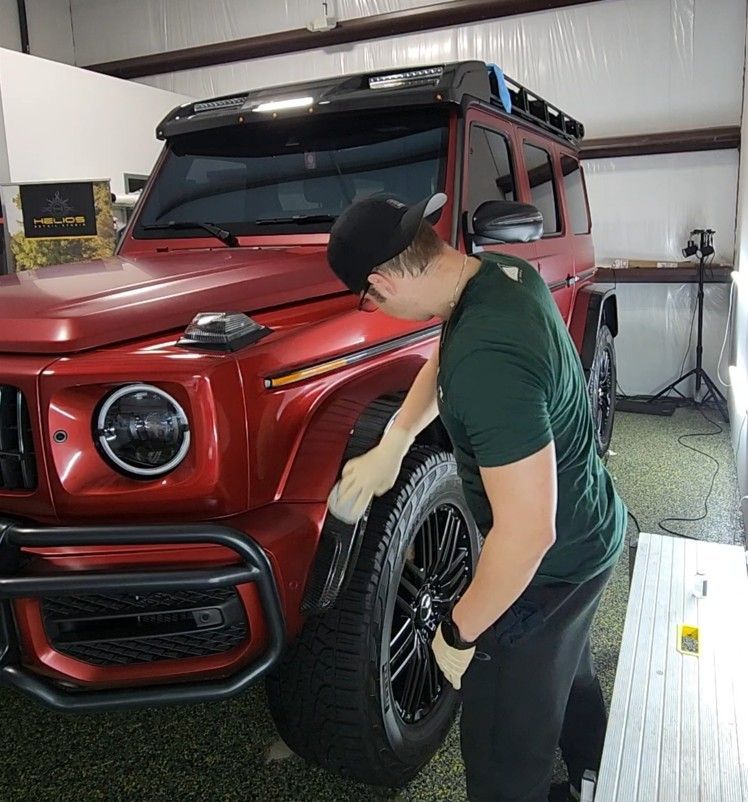
How to Inspect Your PPF for Damage or Wear and Identify Warning Signs
Paint Protection Film (PPF) is an invisible shield for your car’s paint, guarding it against rock chips, scratches, stains, and everyday road wear. Like any shield, it takes hits and eventually shows them. Catch problems late and a small lifted edge becomes a peeled panel, turning a minor repair into a full replacement. Inspecting your film is not difficult. It takes good light, a clean surface, and knowing what to look for.
To inspect your Paint Protection Film for damage or wear, first clean it with a pH neutral soap and a soft microfiber cloth so the surface is clearly visible. Then examine the film under strong, even light for discoloration, bubbling, peeling edges, scratches, and lifting corners. Early detection allows for timely repair and preserves both protection and appearance.
What You Need for a Proper PPF Inspection
You do not need a professional bay to do this well, but you do need the right light.
A bright LED flashlight is the single most useful tool. Micro scratches, small bubbles, and early discoloration hide in gloss reflections and shadows that ordinary lighting does not reveal, and a focused beam held at an angle brings them out.
A handheld magnifying glass, ideally with built in LED lighting, lets you examine edges and high contact areas closely. Tiny cracks and micro abrasions look insignificant and still spread if left alone.
A clean microfiber cloth matters for more than cleaning. Rags and paper towels can introduce scratches or trap grit against the film, so wiping with fresh microfiber means you inspect the film itself rather than dust masquerading as damage.
If you inspect often, a daylight balanced detailing light around 5000K is worth adding, since consistent color temperature reveals haze and uneven gloss that natural light can disguise.
Step by Step: How to Inspect Your PPF
Step 1: Wash and dry the vehicle completely. Even a trained eye cannot judge film through a layer of road grime. Use a pH neutral car shampoo and clean water, paying attention to bumpers, door edges, and lower panels. Rinse thoroughly and let the surface dry fully, because water spots read as blemishes during inspection.
Step 2: Inspect in strong, angled light. Natural daylight is ideal. Otherwise, hold an LED flashlight so the beam crosses the surface at roughly a 45 degree angle. Move deliberately across each panel and change your head position as you go, because what is invisible from one angle can be obvious from another. Minor scratches usually appear as thin white or silver lines on high contact areas such as door handles, hood corners, and mirror caps.
Step 3: Magnify the high risk areas. Use the magnifying glass to separate surface smudges from real film damage. Focus on door edges where keys and rings make contact, the front bumper where debris hits hardest, and mirror housings.
Photograph anything suspicious. A dated record shows whether a spot is stable or spreading, and gives your installer something concrete to evaluate.

Edge Lifting and Bubbles: What to Look For
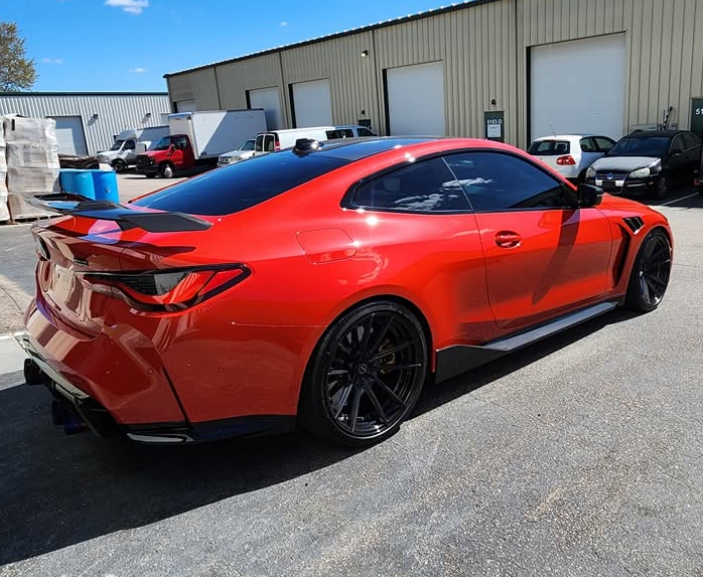
Edge lifting is the problem that most often goes unnoticed until it is expensive. When film edges pull away from the paint, they create pockets where dirt and moisture collect, which compromises the protective barrier and invites damage underneath.
Run a fingertip gently along every edge, around door jambs, hood seams, and bumper lines, feeling for anything raised or not flush. Lifting looks like a thin flap standing above the paint, sometimes only a fraction of a millimeter, and strong daylight makes that shadow far easier to see.
Focus on the hotspots. Door corners, hood edges, and bumper seams flex during driving and washing, which makes them the first places adhesion gives way. Repeated thermal cycling contributes, and lifting can also trace back to an installation where the adhesive bond was never fully seated.
Bubbles are the other warning sign, appearing as rounded, blister like protrusions from barely visible to a centimeter across. A flashlight at an oblique angle highlights them, because the raised surface distorts the reflection. Most trace back to contaminants trapped during installation, humidity during application, or adhesive breakdown as the film ages. A bubble also creates a pressure point that weakens the film around it.
Neither problem improves on its own. Once wind and grime reach the exposed adhesive, the affected area grows.
Fading, Yellowing, and Loss of Clarity
Discoloration is the quietest failure mode. The clear layer that shields your paint gradually loses gloss, turning dull or chalky, slowly enough that you adapt without noticing.
The reliable test is comparison. Look at a panel consistently covered by film against one that is uncovered, or an area where the film ends. A difference in color tone or clarity is an immediate red flag. Yellowing is most common in older or lower quality films and shows first on lighter colored vehicles.
Inspect in natural daylight rather than artificial light, which masks faint shifts, and wipe with clean microfiber first, since grime often mimics discoloration.
Ultraviolet radiation is the primary cause. Cars that sit outdoors in direct sun yellow and dull faster than garage kept vehicles, and chemical fallout including acid rain, road salt, and pollen accelerates it. Discoloration matters beyond appearance, because degraded film loses elasticity and becomes more prone to cracking and peeling.
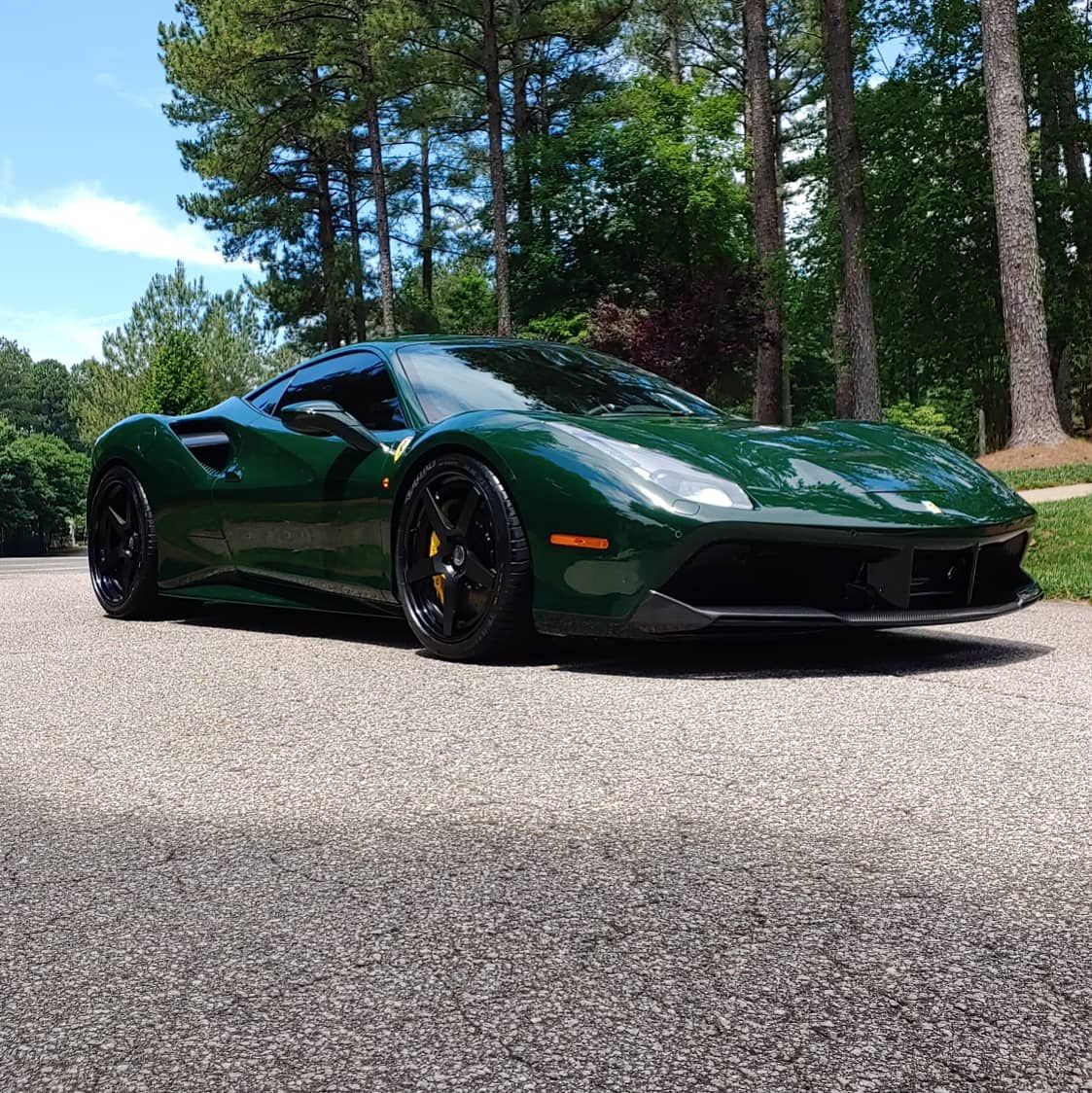
Premium films resist this far longer than budget alternatives. At Helios Detail Studio we use only premium PPF backed by manufacturer warranties, which is the difference between film that stays clear for years and film that yellows within two.
Safe Cleaning and Routine Maintenance
How you wash the car determines how long the film lasts.
Wash monthly with a mild, pH neutral car shampoo using the two bucket method: one bucket for soapy water, one for rinsing the mitt between passes. That keeps grit out of the suds instead of dragging it across the film. Use a soft microfiber wash mitt that lifts dirt rather than pushing it, and skip scrub brushes, coarse sponges, and paper towels. Avoid automated car washes with nylon brushes, one of the fastest ways to lift a film edge.
Keep pressure washers at a moderate setting with the nozzle well back from panel edges and film seams, since high pressure aimed at an edge can loosen it. Rinse until no soap residue remains, then dry with a clean microfiber towel to prevent water spots.
Between washes, avoid parking under trees, and remove bird droppings and sap promptly, because both are acidic and etch film and paint. A PPF safe sealant applied periodically boosts hydrophobic performance and makes washing gentler.
Then set a schedule. A quick visual check monthly and a thorough inspection every three months catches nearly everything before it becomes costly.
When to Call a Professional
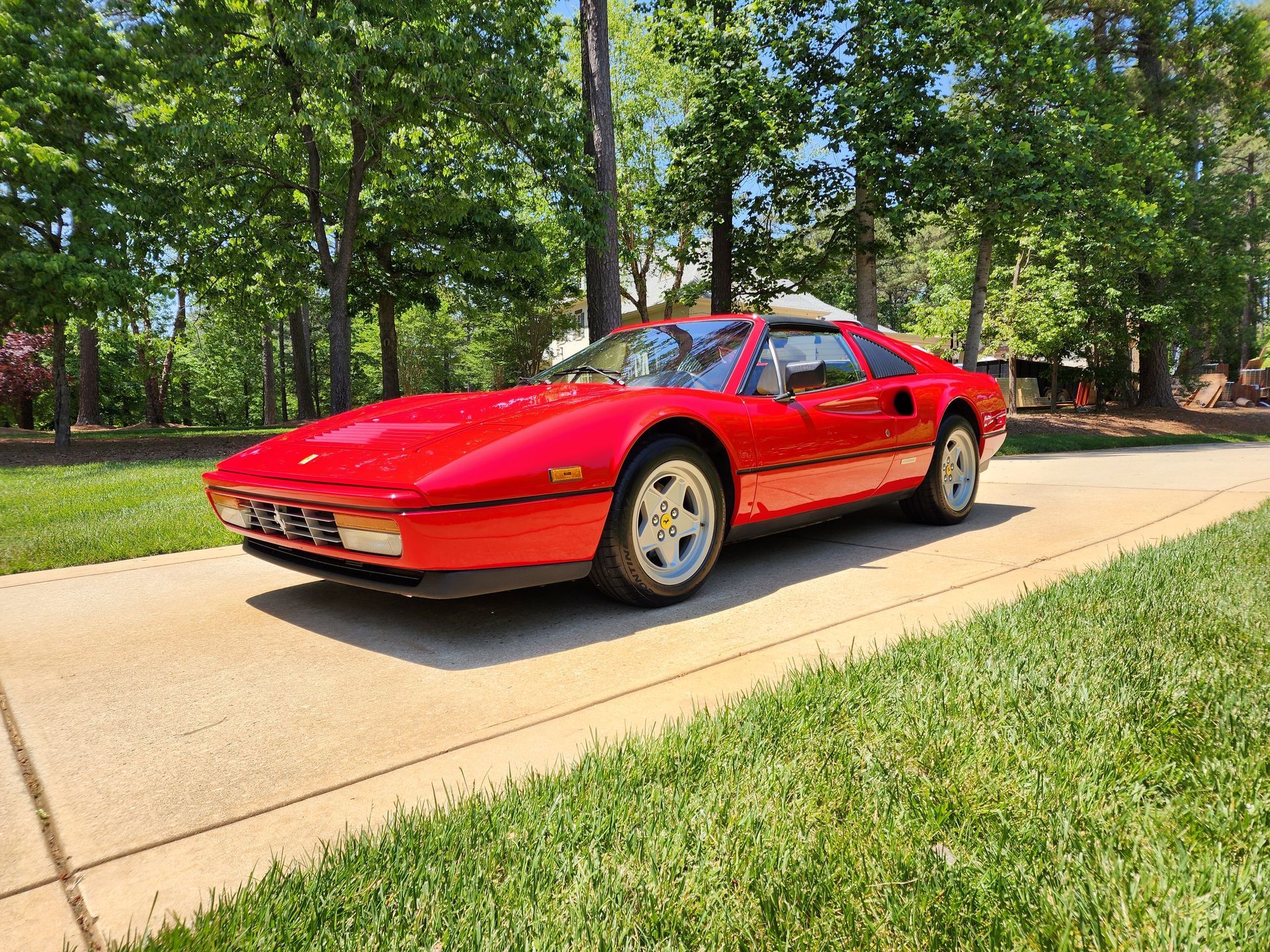
Some damage is outside the scope of home care, and a do it yourself fix usually makes it worse. Peeling film tears easily once you pull at it, and the repair area grows from there.
Call your installer when you see edge lifting beyond about an inch, bubbles spreading across a panel rather than sitting as isolated spots, scratches that cut through the film layer, or persistent yellowing that cleaning will not touch. Each signals that the film is no longer sealing the paint underneath.
Minor scratches are different. Premium PPF has self healing properties, so light surface marks close up with heat from sunlight or carefully applied warm water. It is worth trying that before assuming damage is permanent.
Schedule a professional inspection every 12 to 18 months even when everything looks fine. Trained technicians catch subtle lifting and early discoloration that casual checks miss, and can tell you whether a section needs repair or replacement before the paint is affected.
Protect Your Investment with Helios Detail Studio
Helios Detail Studio has served Wake Forest and the greater Triangle since 2010. Our Gtechniq certified technicians install premium paint protection film backed by manufacturer warranties, and every package includes our signature prep work so the paint is corrected before film goes on.
We offer Full Front PPF for high impact areas, a Track Package for spirited driving, Full Vehicle PPF for complete coverage, and Color Change PPF for owners who want to transform the finish while adding protection. If your inspection turned up lifting, bubbling, or fading, bring it in before it spreads.
Call Helios Detail Studio at 919-669-0268 or schedule a consultation to have your paint protection film evaluated. Find us at 5105 Unicon Drive, Suite G, Wake Forest, NC 27587.
Frequently Asked Questions
How often should I inspect my PPF?
Give the film a quick visual check monthly and a detailed inspection every three months, plus an extra look after severe weather or long highway trips. Schedule a professional inspection every 12 to 18 months.
Can minor scratches on PPF be repaired?
Often, yes. Premium PPF has self healing properties, so light surface scratches close up when the film is warmed by sunlight or warm water. Deeper marks that cut through the film layer need professional evaluation.
What tools do I need to check my PPF?
A clean microfiber cloth, a bright LED flashlight, and good natural light cover most of it. A handheld magnifying glass helps with edges and high contact areas, and a daylight balanced detailing light is a worthwhile addition if you inspect often.
What are the most common signs of PPF damage or wear?
Bubbling, yellowing, peeling or lifting edges, visible cracks, and loss of gloss. These usually come from prolonged UV exposure, contaminants trapped during installation, chemical fallout, or abrasion.
When should I replace my Paint Protection Film?
Consider replacement when yellowing, bubbling, or peeling persists across multiple panels and cleaning does not improve it. Premium film installed by certified professionals typically provides 7 to 10 years of protection, and many installations exceed a decade with proper care.
Does washing my car incorrectly void the PPF warranty?
Manufacturer warranties cover defects in the film, not damage from abrasive washing, automated brush washes, or harsh chemicals. Following pH neutral, two bucket washing keeps you within normal care expectations. For your specific terms, ask the shop that installed the film.
Can I add ceramic coating over my PPF?
Yes, and many owners do. A ceramic coating over film adds hydrophobic performance, makes washing easier, and helps the film shed contaminants that contribute to staining and yellowing. Ask us about pairing the two during your consultation.