Your Vehicle Deserves the Best

Ceramic Coating, PPF, and AUTO Detailing Blog

Recent Updates from Helios Detail Studio
By Wes Odum July 29, 2026
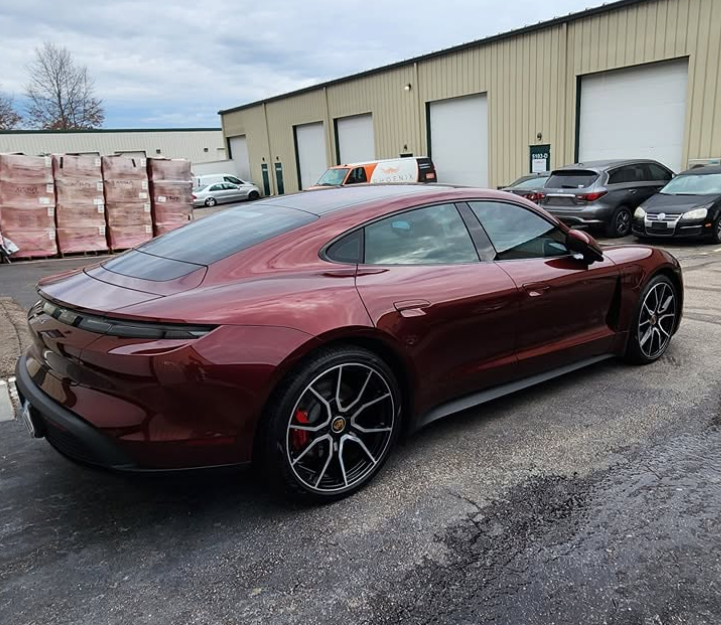
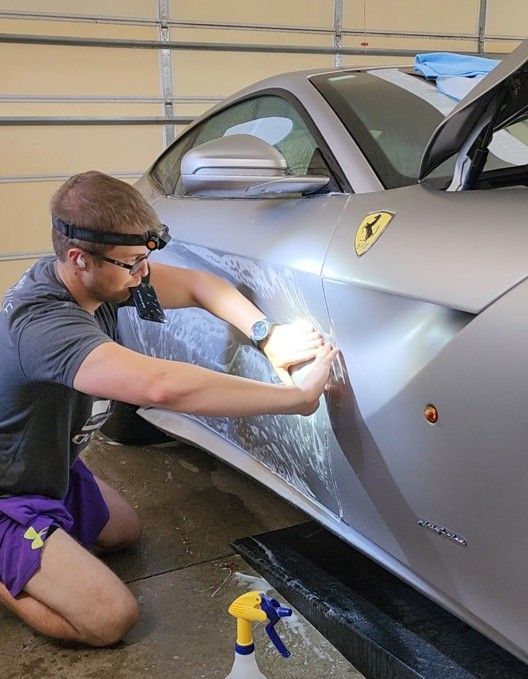
You might think keeping your car's paint flawless means constant polishing or expensive repairs. But what if your vehicle had a shield that could fix tiny scratches on its own, simply by soaking up a bit of heat from the sun? That is exactly what self-healing paint protection film (PPF) does. This advanced film works in the background to keep your car looking fresh, saving you time and money while protecting your investment. Self-healing paint protection film (PPF) is made from advanced urethane material designed to repair minor scratches and swirl marks automatically when exposed to heat sources like sunlight or warm water. This feature maintains your vehicle's appearance and enhances durability, making it a valuable investment in long-term vehicle care. How Self-Healing PPF Works Self-healing PPF is a specialized urethane film designed not just to shield your car's paint but to actively repair minor surface damage. The film's topcoat is embedded with microscopic polymers that respond to heat, allowing it to heal itself. When scratches or swirl marks appear, exposure to warmth from sunlight or warm water softens the upper layer, letting the material return to its original smooth state. Depending on conditions like temperature and sunlight intensity, this process can address abrasions in as little as ten minutes to a few hours. The science behind this behavior comes down to the film's elastomeric polyurethane foundation, a flexible polymer with viscoelastic properties. When heat is applied, the polymer's molecules become more mobile, expanding slightly at the scratch site to fill in tiny cuts or abrasions. As the temperature drops, the film contracts back to its original shape, effectively smoothing out the damage. This cycle can repeat many times over the life of the film, meaning even if your car endures repeated minor scratches over months or years, many will simply disappear after heat exposure. Typically ranging between 6 and 8 mils thick (about 150 to 200 microns), the film balances toughness with flexibility. It withstands impacts from road debris yet remains pliable enough to flex and self-correct without peeling. Scratches beyond the superficial level, those that penetrate through the film entirely, will not heal and may require professional attention. Here is a quick comparison between standard and self-healing PPF:
ceramic coating
By Wes Odum July 21, 2026
Discover how combining PPF and ceramic coating protects your vehicle from chips, scratches, UV damage, and contaminants while enhancing gloss.
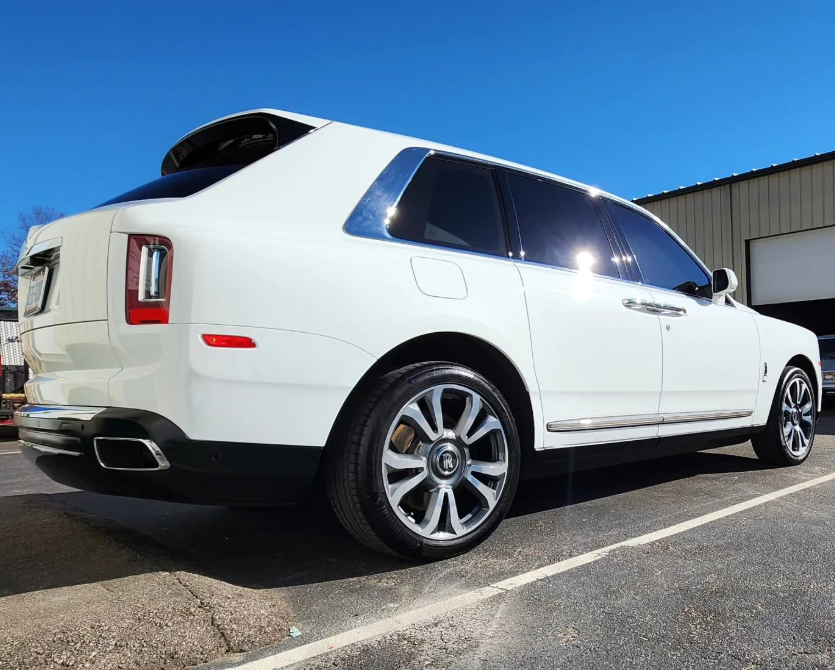
car PPF
By Detailers Roadmap SEO June 20, 2026
Compare partial, full front, and full body PPF costs, coverage, pros, and cons to choose the best paint protection for your vehicle.
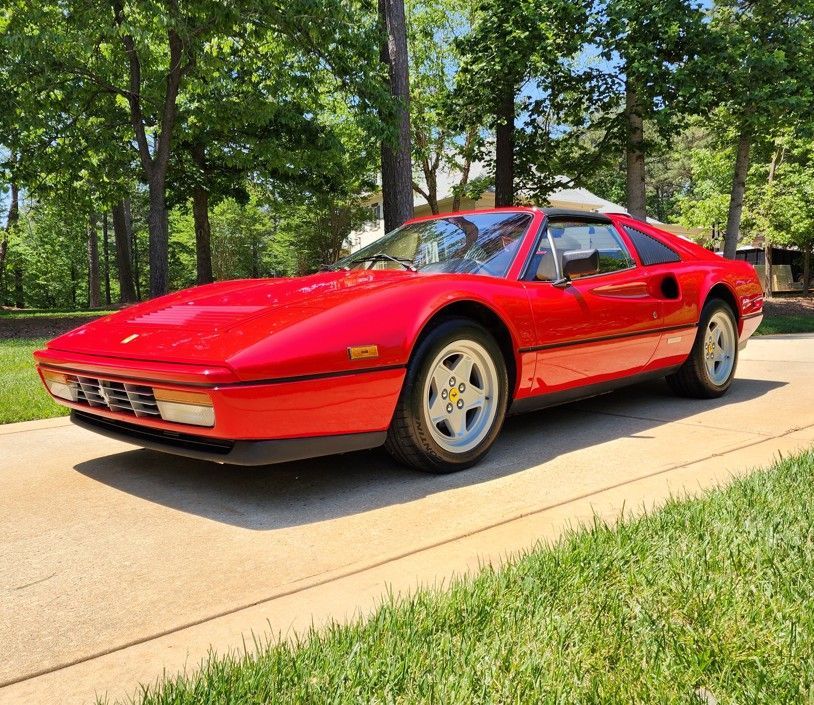
ceramic coating
By Detailers Roadmap SEO May 30, 2026
Compare ceramic coating, wax, and paint sealants by cost, durability, protection, and value to find the best option for your vehicle.
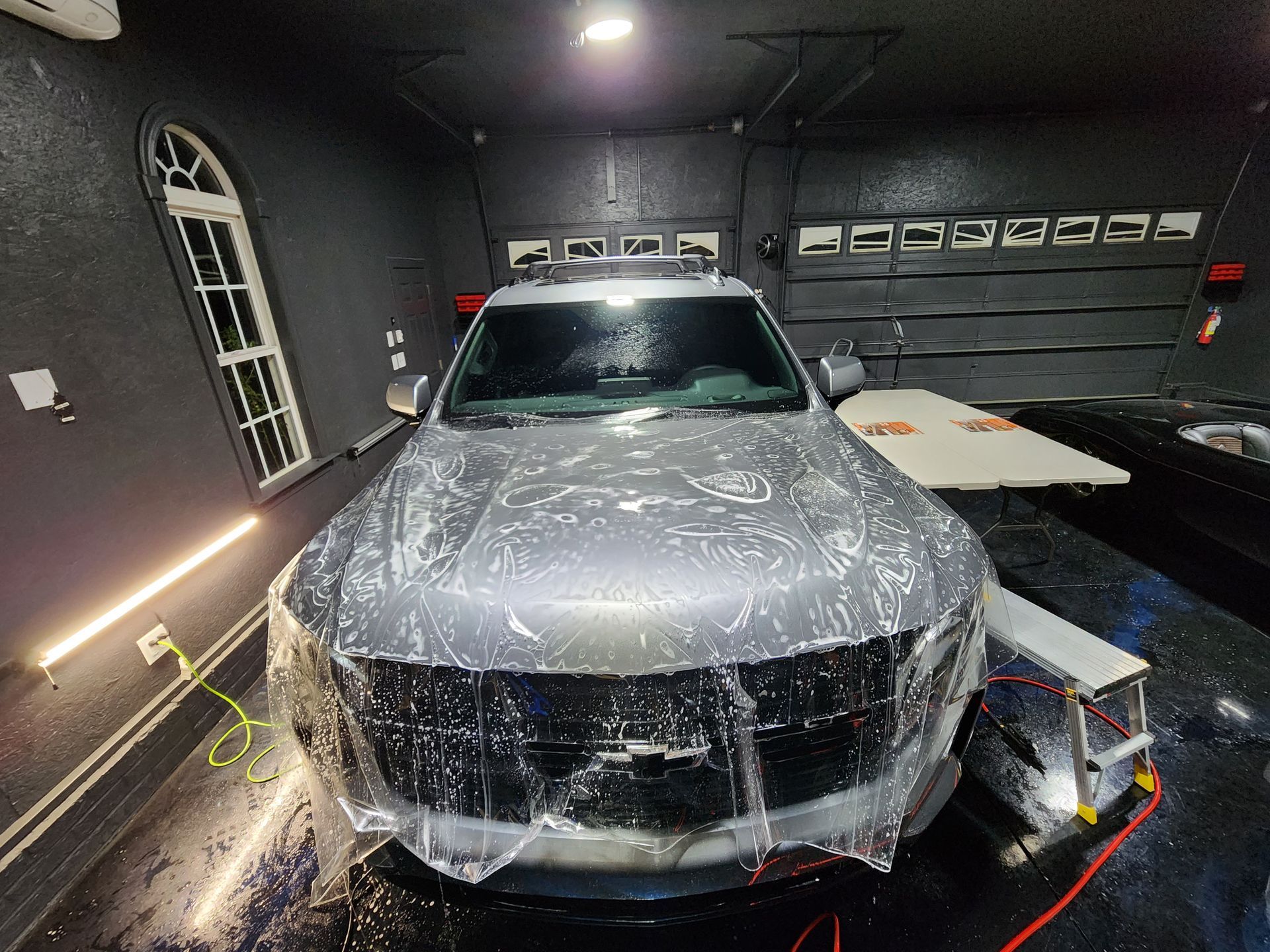
Paint Protection Film
By Detailers Roadmap SEO May 30, 2026
Learn how Paint Protection Film shields your vehicle from road salt, gravel, rock chips, UV damage, and debris while preserving paint value.
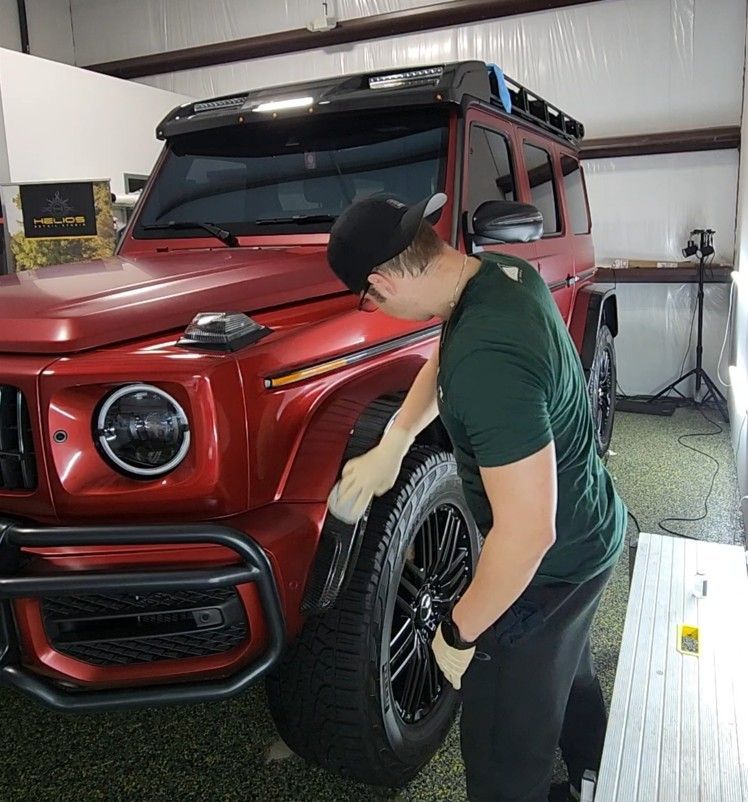
Person installing a tire on a red SUV in a garage
By Detailers Roadmap SEO April 30, 2026
Compare PPF vs ceramic coating to see which protects your car best. Learn costs, benefits, and whether combining both is worth it.
car  ppf
By Detailers Roadmap SEO April 30, 2026
Discover if PPF is worth it for your car. Compare costs, benefits, and protection for daily drivers and luxury vehicles.
automotive ppf
By SEO Team February 28, 2026
Compare full and partial paint protection film for your car. Discover coverage, cost, benefits, and which option suits your vehicle and lifestyle.
ceramic coating
By SEO Team January 30, 2026
Learn the most common ceramic coating mistakes, from improper washing to poor maintenance, and discover simple tips to protect coating performance
More Posts