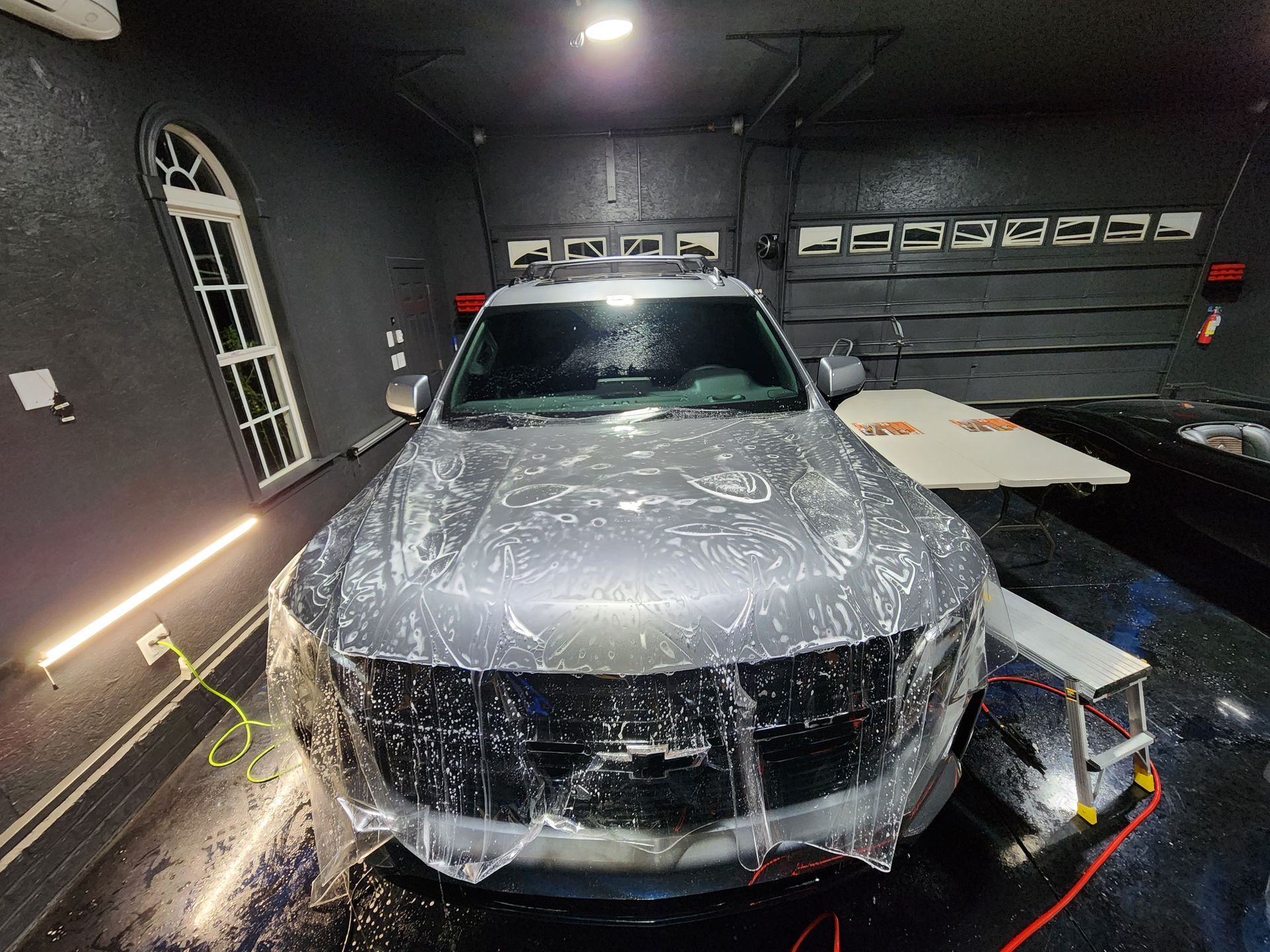
Combining PPF with Ceramic Coating: Benefits of the Ultimate Protection Combo
Protecting your car's paint is more than keeping it looking nice. It saves time, money, and hassle over the life of the vehicle. A simple wax or polish will not stop chips, scratches, or fading from the sun. That is why combining Paint Protection Film (PPF) with ceramic coating has become a popular choice among vehicle owners who want real, lasting results. Understanding how these two layers work together could change the way you care for your ride.
Combining Paint Protection Film (PPF) with ceramic coating offers the ultimate protection by pairing PPF's physical barrier against rock chips, scratches, and debris with ceramic coating's hydrophobic properties and gloss enhancement. This combination prolongs the lifespan of both layers, makes maintenance easier, and maintains a showroom-quality finish while preserving your vehicle's paint over time.
How PPF and Ceramic Coating Work Together
Paint Protection Film (PPF) acts as a robust physical barrier, absorbing impacts from rocks, road debris, and scratches that would otherwise damage your car's paint. Applied as a thick yet transparent urethane film to vulnerable zones like bumpers, hoods, side mirrors, and door edges, PPF shields the areas that face the highest risk of chipping and abrasion. Modern PPF also features self-healing capability, allowing minor scratches on the film surface to disappear when exposed to heat from sunlight or warm water.
However, while PPF excels at guarding against physical harm, it does not prevent the accumulation of dirt, water spots, or chemical staining from bird droppings, tree sap, and road salts. That is where ceramic coating steps in. As a chemical bonding layer applied over both the paint and the PPF itself, ceramic coating creates a hydrophobic, glossy surface that repels water, reduces dirt adhesion, enhances UV protection, and resists chemical etching.
Combining these two layers means each compensates for the other's limitations. PPF handles the hard physical impacts, while
ceramic coating keeps your car looking immaculate by resisting grime and environmental damage. The synergy also strengthens longevity: ceramic coating forms a seal that protects the PPF from discoloration and UV degradation, while the film reduces mechanical abrasion on the coating. The hydrophobic properties introduced by ceramic coating also improve water beading significantly, causing water and grime to slide off rather than settling into the film's surface. This layered interaction means your original factory paint beneath remains virtually untouched for years longer than it would without such treatment.
| Protection Layer | Primary Function | Benefits When Combined |
|---|---|---|
| Paint Protection Film | Absorbs physical damage: chips, scratches | Guards against major abrasions; self-heals small scratches |
| Ceramic Coating | Creates hydrophobic chemical barrier | Protects PPF from stains and UV damage; enhances gloss and cleanliness |
High-quality PPF generally lasts between 5 to 10 years depending on thickness and environmental factors. Ceramic coatings alone typically endure 2 to 5 years before requiring reapplication. When applied together correctly, with professional installation ensuring proper bonding, the effective lifespan of the combined system extends further than either product achieves on its own.
The application sequence is important: PPF must be installed first on high-impact zones, followed by ceramic coating over both the filmed surfaces and exposed paintwork. Avoid applying PPF over existing ceramic coatings because the slick surface prevents proper adhesion, leading to peeling issues.
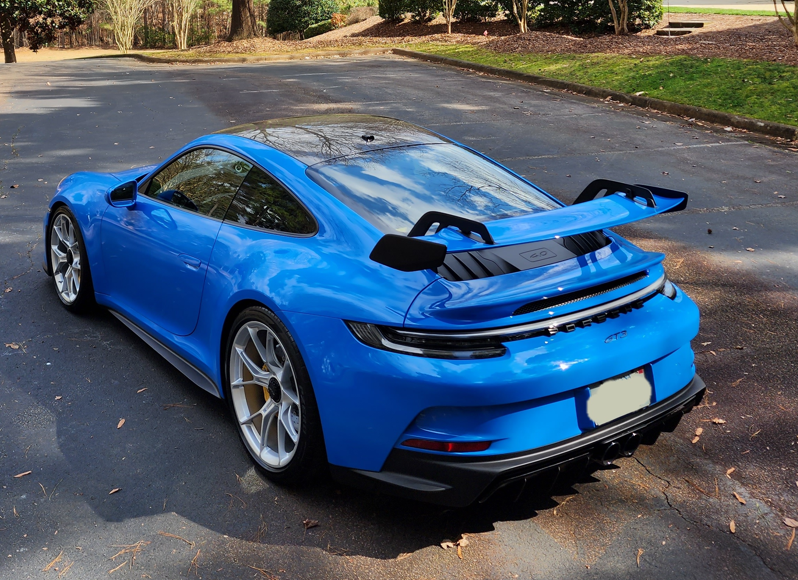

Aesthetics: Achieving the Perfect Finish
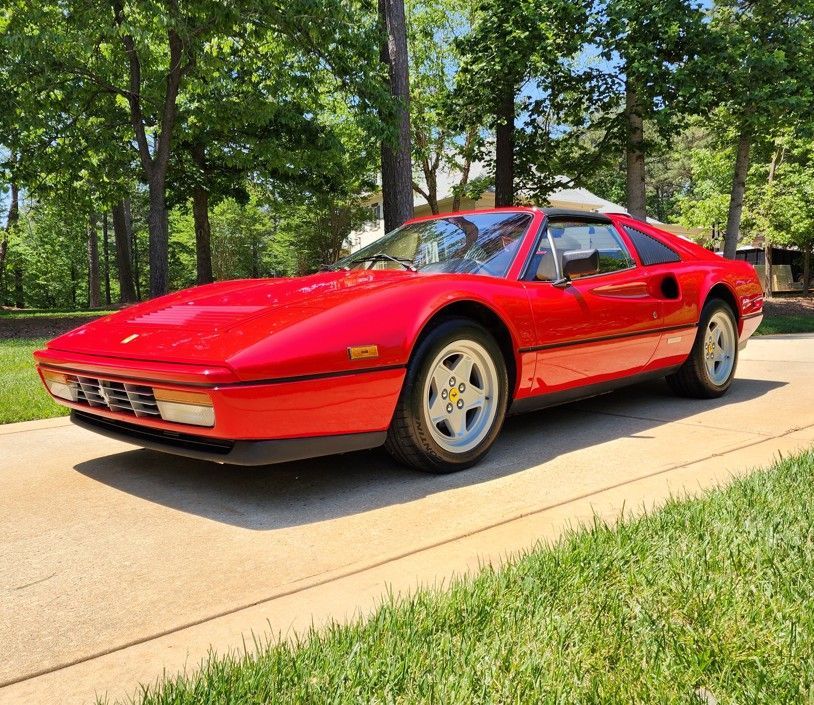
When you combine PPF with a ceramic coating, you are not simply layering two protective products. You are elevating your vehicle's appearance. Ceramic coatings provide a deep, reflective gloss that makes paint pop in a way regular wax or sealants cannot match. Place that over PPF, and the result is a consistently smooth, glass-like surface extending seamlessly across every panel, even those covered by film.
One key benefit is how ceramic coating minimizes visual inconsistencies often seen with PPF alone. Film edges or texture differences can subtly disrupt uniformity, but a quality ceramic layer acts like a visual bridge, hiding minor imperfections and creating an unbroken mirror effect under any lighting. Colors appear richer and more vivid because the ultra-smooth coating reduces surface roughness, allowing light to refract more cleanly off your car's surface.
To maintain this polished look, practice routine care designed for ceramic-coated vehicles. Using pH-neutral soap and microfiber wash mitts preserves hydrophobic properties and avoids scratching the pristine surface. Opt for hand washing or touchless stations rather than automatic car washes with harsh brushes, as these methods best prolong gloss and clarity.
Simplifying Maintenance
One of the most overlooked advantages of this combination is how much easier it makes maintaining your vehicle's finish. The ceramic coating's hydrophobic qualities cause water and dust to bead up and roll right off, while the PPF acts as a resilient shield against physical abrasions beneath.
In everyday terms, routine car washes become quicker and less laborious. Contaminants like bug splatter and road grime do not cling tightly to the surface. Many owners find that simply rinsing their protected vehicle with water restores its showroom shine. This not only saves time but also reduces the use of harsh cleaning chemicals, which can degrade paint if used excessively. Over time, the reduction in wear and tear translates into fewer costly touch-ups or paint corrections, keeping your car looking freshly detailed without frequent professional interventions.
To maximize these benefits, use pH-neutral shampoos and microfiber wash mitts. Avoid abrasive cloths or automated car washes with stiff brushes. Occasional ceramic boosters replenish hydrophobic properties and can extend intervals between full detailing services, often doubling or tripling the time between visits.
Simplifying maintenance through this combination means more than protecting paint. It means reclaiming your time while ensuring your car maintains an impeccable look whether parked or on the road.
Step-by-Step Application Guide
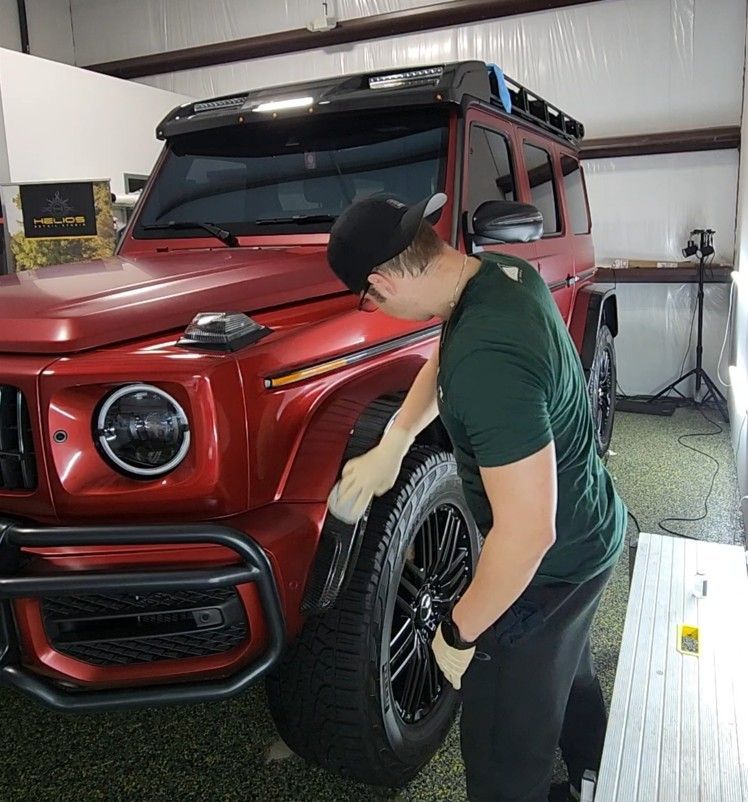
The process starts with thorough surface preparation. Every inch of the vehicle must be washed and decontaminated to remove dirt, oils, and old residues that could interfere with adhesion. Professional-grade clay bars combined with pH-neutral shampoos do the heavy lifting, followed by an alcohol-based wipe-down to ensure a perfectly clean surface.
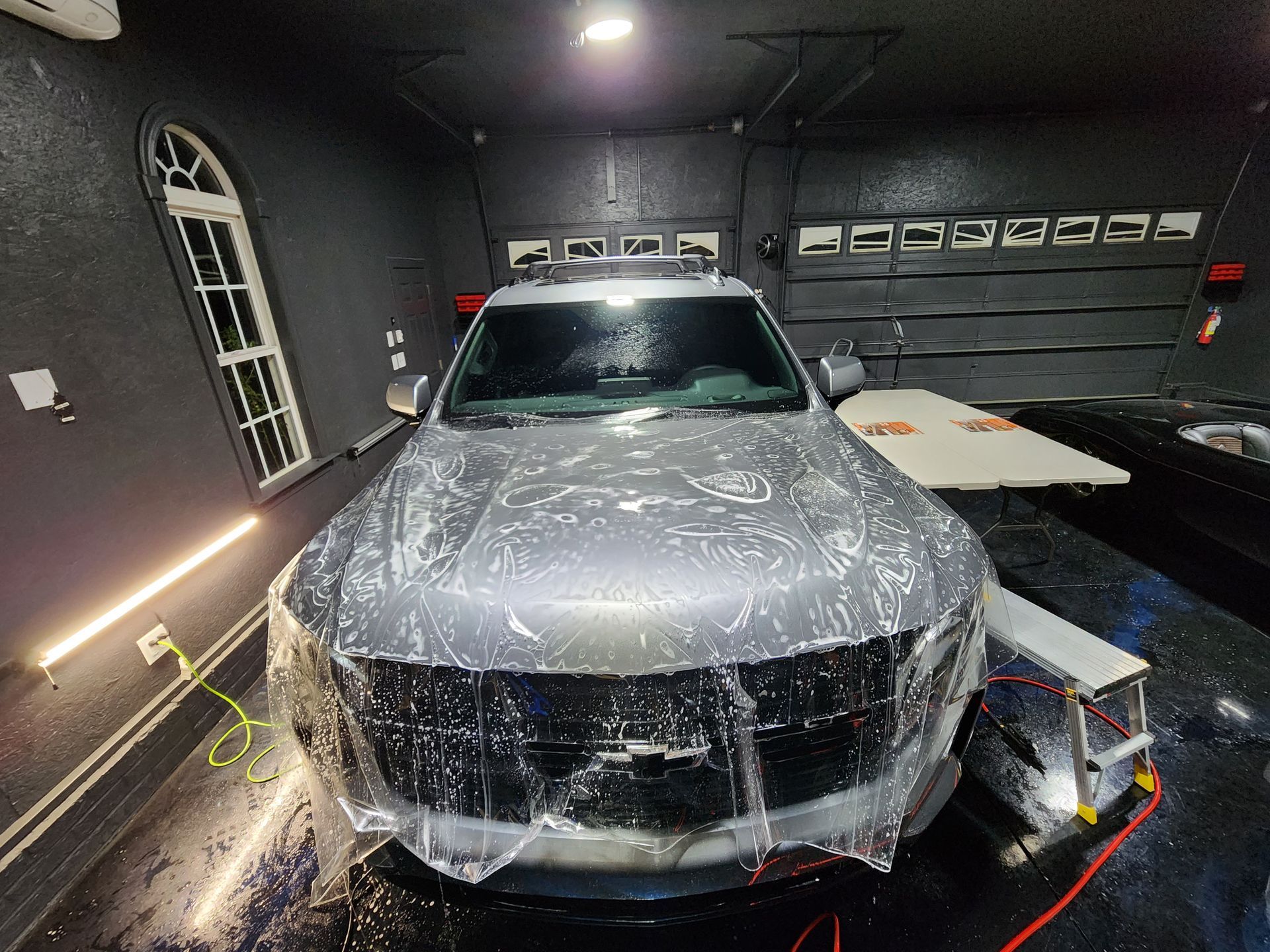
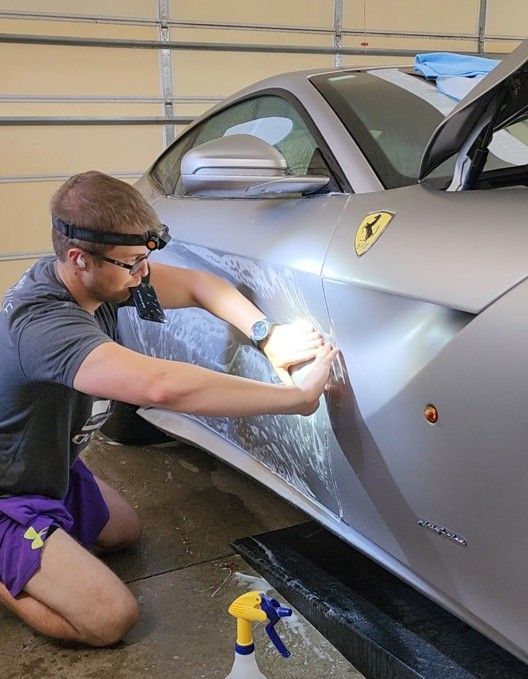
Next comes PPF installation, targeting high-impact zones first: the hood, front bumper, side mirrors, and door edges. The film arrives as a flexible TPU sheet that requires careful handling. A squeegee with steady pressure pushes out air bubbles and excess water beneath the film, ensuring smooth contact with the paint. Patience is essential here; rushing leads to creases or gaps that compromise protection.
With the PPF secured, the ceramic coating is applied over both filmed and exposed painted surfaces using soft applicator pads in thin, even layers. Working in small sections prevents streaking or reduced bond strength.
Finally, the curing phase requires 24 to 48 hours without exposure to water or heavy dust. Temperature and humidity influence curing speed; warmer conditions expedite bonding but require vigilance against contaminants settling during this delicate phase. Think of curing as letting concrete set. You would not walk on it right after pouring, and likewise, you want undisturbed conditions to maximize durability and gloss depth. At Helios Detail Studio, we handle each of these steps with the care and precision your vehicle deserves, because protecting your car is about more than looks. It is peace of mind on every drive.
Cost and Investment Insights
Combining PPF with ceramic coating is more than a cosmetic upgrade. It is a strategic investment that pays off over time. While the upfront cost is higher than single-layer protection, consider what you are paying for: comprehensive defense against daily wear and tear that preserves your vehicle's appearance and value for years.
Without PPF and ceramic coating, paint damage from rocks, UV rays, and environmental contaminants leads to costly panel repairs. Frequent detailing sessions are needed to keep the finish looking good. These expenses add up, creating a cycle of ongoing upkeep that chips away at both your budget and patience. By investing upfront in PPF combined with ceramic coating, you significantly reduce total maintenance and repair costs over the first five years. Ceramic coating atop the PPF also makes cleaning simpler since water beads up and rolls right off instead of settling into grime, which means less time and money spent on washing and waxing. Well-maintained, professionally protected paint is a demonstrable asset when it comes time to sell or trade.
The quality of materials matters. At Helios Detail Studio, we install XPEL PPF for durable, high-clarity film that will not yellow or cloud over time, and pair it with Gtechniq ceramic coatings tailored to your car's specific needs. Our Gtechniq certification for both automotive and marine applications reflects the standard of care we bring to every install.
Whether your priority is reliable protection, stunning shine, or effortless maintenance, investing in this combination delivers results that justify the investment.
Give Your Vehicle the Ultimate Layer of Protection
Your vehicle faces constant exposure to road debris, UV rays, contaminants, and everyday wear. Combining Paint Protection Film with a professional ceramic coating installation provides a complete defense system that protects your paint while enhancing gloss and simplifying maintenance.
At Helios Detail Studio, we combine premium XPEL PPF with advanced Gtechniq ceramic coatings to deliver long-lasting protection tailored to your vehicle’s needs. Our certified team helps you choose the right protection package to preserve your vehicle’s appearance and value for years to come.
Call us at
919-669-0268
or
schedule your consultation
today and discover how PPF and ceramic coating can keep your vehicle looking its best.
Related FAQs
Can ceramic coating be applied over Paint Protection Film?
Yes, ceramic coating can be safely applied over PPF when installed correctly. Applying ceramic coating after PPF creates an additional hydrophobic and chemical-resistant layer that helps protect the film while enhancing gloss and making maintenance easier.
Should I install PPF or ceramic coating first?
PPF should always be installed before ceramic coating. Applying PPF over ceramic-coated paint can prevent proper adhesion and may lead to lifting or installation issues. Once the PPF has been installed and cured, ceramic coating can be applied over the film and remaining painted surfaces.
Is PPF with ceramic coating better than ceramic coating alone?
Yes. Ceramic coating improves gloss, water repellency, and chemical resistance, but it does not protect against rock chips and physical impacts. PPF provides a protective barrier against scratches and road debris, while ceramic coating adds easier maintenance and enhanced appearance.
How long does a PPF and ceramic coating combination last?
The lifespan depends on product quality, installation, maintenance, and environmental exposure. High-quality PPF can typically last 5 to 10 years, while ceramic coatings generally last 2 to 5 years. Together, they provide long-term paint protection when properly maintained.
Can ceramic coating make PPF easier to maintain?
Yes. Ceramic coating adds hydrophobic properties that help repel water, dirt, and contaminants from the PPF surface. This makes washing easier and reduces the amount of time spent cleaning and maintaining your vehicle.
Is combining PPF and ceramic coating worth the investment?
For vehicle owners who want long-term paint protection, easier maintenance, and a premium finish, combining PPF and ceramic coating can be a worthwhile investment. It helps reduce the risk of expensive paint repairs while preserving the vehicle’s appearance and resale value.