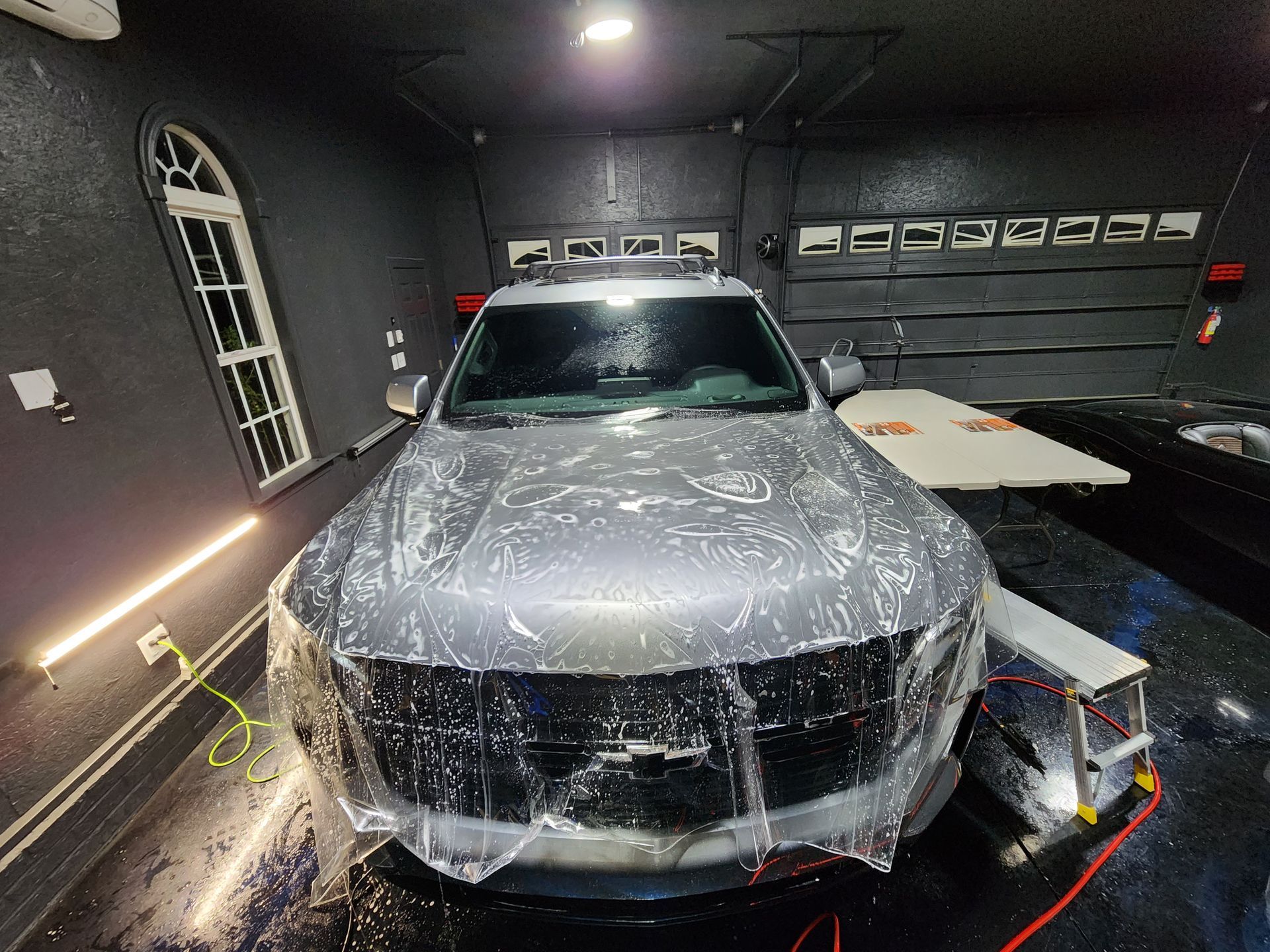
PPF Maintenance Tips to Keep Your Film Clear, Invisible, and Protected
Paint Protection Film, or PPF, is like a clear shield for your car's paint. It guards against chips, scuffs, and stains while remaining nearly invisible, like wearing armor that no one can see. But just like any shield, it needs proper care to stay strong and look great over time. In this guide, we'll walk you through simple tips and expert advice to keep your PPF crystal clear, protected, and looking fresh without much hassle.
To keep your Paint Protection Film clear and invisible, wash your vehicle every 7 to 14 days using a pH-neutral shampoo and microfiber mitts, avoiding abrasive materials that can mar the film. Park in shaded areas to minimize UV exposure, apply specialized SiO2-based sealants for added protection, and promptly remove contaminants like bird droppings or tree sap to prevent etching or discoloration.
Essential Tools and Products for PPF Maintenance
Maintaining your PPF's clarity and protective qualities isn't just about what you do; it's heavily influenced by
how you do it. The simplest mistake, like using the wrong towel or harsh cleaner, can start the downhill slide toward yellowing, marring, or adhesive breakdown.
Microfiber towels are indispensable for PPF care. Their ultra-soft fibers gently wick away dirt and moisture without leaving surface marks or lint that might dull your film's finish. When it comes to delicate surfaces like paint protection film, rough cloths or paper towels are public enemy number one.
Equally important is selecting a pH-neutral car shampoo. Harsh soaps or acidic cleaners degrade the polymer surface of the film, making it vulnerable to fading or peeling over time. pH-neutral formulas clean effectively without stripping away protective layers, preserving the film's natural elasticity and transparency.
For tricky seams and edges where dirt loves to hide, a soft bristle brush becomes your secret weapon. Firm enough to dislodge grime but soft enough to avoid abrasions, these brushes reach deep into crevices that microfiber towels can't access.
When it comes to maintenance products, PPF-specific quick detailers and sealants from brands like XPEL or CarPro provide easy cleaning while reinforcing the film's hydrophobic properties. This means water beads up and slides off effortlessly, dramatically reducing how often you need deep cleans.
For maximum protection, consider applying ceramic coatings over your PPF. These coatings chemically bond with the film's surface, creating a hard yet flexible armor against UV rays, road salts, bird droppings, and environmental fallout. Plus, ceramic coatings deepen shine, perfect for that flawless showroom finish while keeping your paint protection film practically invisible.
Routine Cleaning and PPF Washing Procedures
Maintaining your PPF starts with a careful cleaning routine designed to preserve its
invisibility and protective qualities. Begin every wash with an initial rinse using a low-pressure hose or gentle spray to flush away loose dirt, grit, and tiny particles that can mar your film during washing.
Next, use the two-bucket method, a classic among car care enthusiasts. One bucket holds pH-neutral shampoo mixed with lukewarm water (ideally between 86°F and 104°F), while the second bucket contains clean water to rinse your microfiber wash mitt. This technique prevents reintroducing dirt back onto the vehicle's surface, significantly reducing swirl marks or surface imperfections.
Use a high-quality microfiber mitt with densely packed fibers (at least 300 GSM) to gently lift dirt without digging into the surface. Wash in straight lines along the panels rather than circular motions; this reduces chances for irregular marks and keeps the finish flawless.
After washing, ensure all soap residue is completely rinsed off to avoid film dullness or streaking. Pat dry with an absorbent microfiber towel (500 ml/m² or more) within five minutes to prevent water spots and mineral deposits that damage clarity over time.
Avoid automatic car washes with brushes, as they can scrape beneath film edges. Opt for touchless systems or hand washing. Resist ammonia-based cleaners or generic automotive waxes not formulated for PPF. Wash every one to two weeks, and promptly remove contaminants like bird droppings or tree sap using diluted isopropyl alcohol to avoid etching.

Wax and Coat Options for PPF
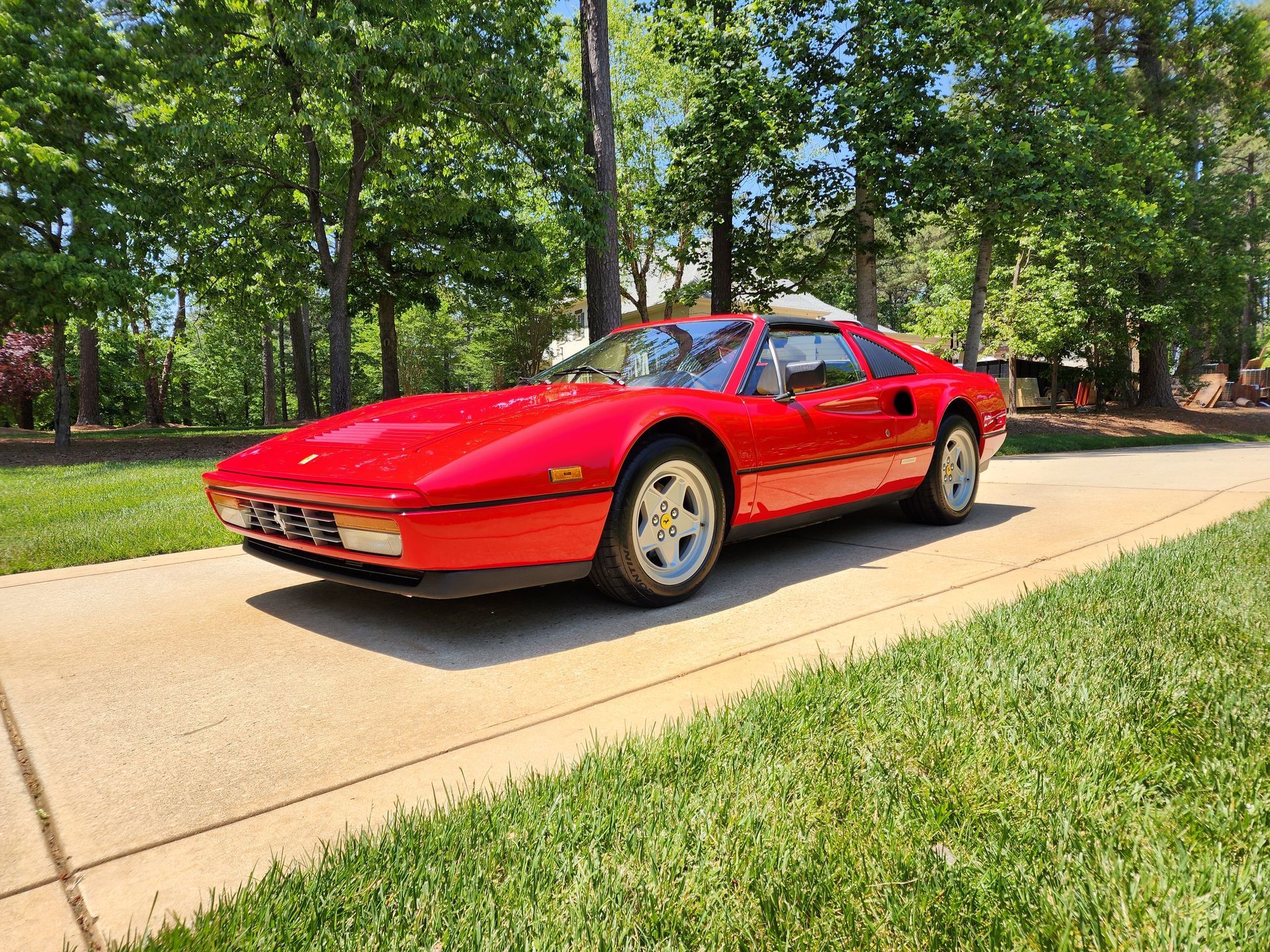
When maintaining your paint protection film, not all waxes and coatings are created equal. While traditional car waxes offer some shine, specialized products tailored for PPF deliver better results in longevity and clarity. The goal is preserving the film's invisible shield without introducing cloudiness or yellowing.
Synthetic waxes like Meguiar's Ultimate Wax bond well with paint protection film surfaces and resist UV damage that causes discoloration. Apply carefully using clean microfiber cloths, working in small panels for an even layer that enhances protection.
For enhanced protection, SiO2 ceramic coatings create a microscopic hard shield on your PPF. This boosts resistance to surface marring and prevents staining from pollutants, bird droppings, or tree sap. Once applied correctly, dirt beads off the surface, reducing the need for harsh scrubbing that could wear down the film.
For convenience, spray sealants offer a practical alternative. They're quick to apply and provide excellent water beading and UV defense, perfect for regular maintenance between more intensive treatments. Whichever option you choose, consistency paired with correct technique is key.
Dealing with PPF Surface Imperfections and Damage
The good news: many modern PPFs possess
self-healing properties. For minor swirl marks or light abrasions, apply gentle heat with a hairdryer on low setting or warm water. This softens the film's surface tension, allowing it to smooth out and erase small imperfections almost like magic.
For deeper marks that self-healing can't address, specialized PPF repair kits can restore isolated areas without full replacement. These kits include compounds that fill tiny cuts or scuffs while preserving clarity and adhesion.
When facing extensive damage like large gouges or peeling, professional assessment becomes necessary. Experienced technicians at shops like Helios Detail Studio can seamlessly remove damaged sections and install fresh film with invisible transitions, safeguarding both aesthetics and protection.
Ensuring Your PPF Remains Invisible
The main goal when caring for your PPF is straightforward: keep it looking like it's barely there. Avoid harsh chemicals containing ammonia or strong solvents, which degrade the film's surface and cause haziness or discoloration visible from feet away. Instead, rely on gentle, pH-neutral car soaps that clean without compromising the protective layer.
Use light pressure when cleaning. Think of it as a caress rather than a scrub. Employ soft microfiber cloths with PPF-specific detailers to maintain a flawless finish. Regularly applying these detailers replenishes protective top coats that resist staining and improve hydrophobicity.
Monitor film edges over time, as they can lift due to environmental factors or improper washing techniques. Inspect borders during cleaning and consult a professional installer promptly if you notice any peeling.
Best practices for maintaining invisibility:
- Use mild, pH-neutral cleaners free from harsh chemicals
- Clean gently with soft microfiber cloths and light pressure
- Apply PPF-specific detailing sprays regularly to nourish topcoats
- Avoid power washers or high-pressure jets directly on edges
- Inspect film edges frequently for lifting or dirt buildup

Additional Tips for Long-Term PPF Care
A little preventive care goes a long way. One of the most effective strategies is to
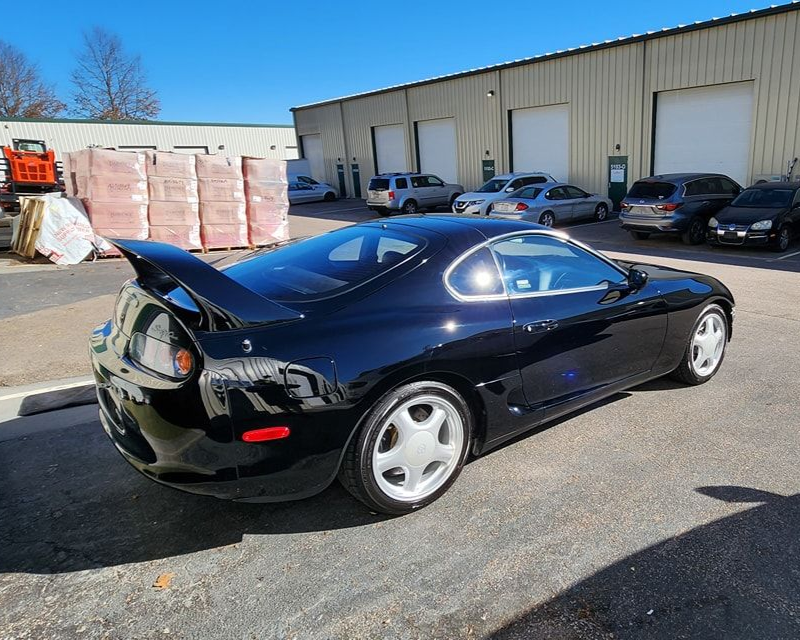
avoid prolonged exposure to direct sunlight. Parking in shaded areas or using a breathable car cover protects your vehicle from UV rays that break down film integrity and cause premature yellowing. This simple habit significantly extends paint protection film life and clarity, especially in sunny climates.
Steer clear of extreme conditions like gravel roads, construction sites, or muddy terrain that accelerate wear through abrasive debris. Although PPF is tough and absorbs impacts better than paint alone, consistent bombardment shortens its lifespan.
Annual maintenance should include applying a professional-grade sealant specifically formulated for paint protection films. This reinforces self-healing capabilities and boosts resistance against stains and UV damage. Regular inspections every few months help catch lifting edges, discoloration, or embedded debris before they worsen.
Regular Inspection and Upkeep for PPF
Regular inspection isn't just about catching superficial flaws; it's about safeguarding the barrier that shields your vehicle's paint from daily wear and tear. Even minor surface imperfections or lifting edges might seem trivial, but left unchecked, they can evolve into significant damage compromising both appearance and protection.
Weekly visual checks allow you to catch issues early when repairs are easier and less costly. At Helios Detail Studio, we advise using good lighting during inspections because subtle changes can be hard to spot in dim conditions. Monthly, scrutinize high-impact zones like the front bumper, hood, side mirrors, and door edges.
Look for dirt accumulation near seams or edges. A Q-tip dipped in isopropyl alcohol works wonders for safely cleaning tight spaces. Don't underestimate prompt repairs if you spot lifting or deep imperfections; addressing these quickly prevents moisture infiltration that can cause peeling or unsightly bubbles.
A professional inspection at Helios Detail Studio provides expert diagnosis and solutions tailored precisely for your PPF type. "Routine care transforms your PPF from a simple protective layer into a long-lasting investment in your vehicle's beauty and resale value," says one experienced detailer from our team.
Consistent care ensures your Paint Protection Film delivers maximum durability and aesthetic appeal, safeguarding your investment every mile of the way. Trust Helios Detail Studio to help keep your vehicle looking its absolute best.
Keep Your Paint Protection Film Looking New for Years
Proper maintenance is the key to keeping your car paint protection film clear, invisible, and fully effective. While regular washing and at-home care go a long way, professional inspections and maintenance ensure your PPF continues to protect your paint without lifting, discoloration, or hidden damage. Expert care also helps extend the life of your film and preserves your vehicle’s resale value.
Get expert PPF maintenance, inspection, or repair from trusted paint protection film specialists at Helios Detail Studio. Call 919-669-0268 or schedule your consultation online to keep your PPF performing at its best.