How Long Does a Ceramic Coating Last on a Car? Key Factors Impacting Durability
When it comes to protecting your investment, you might be wondering how long that showroom-quality ceramic coating will really last. After all, you want your vehicle to maintain its flawless finish for years—not just for a few washes. The truth is, the lifespan of a ceramic coating can vary significantly, ranging from just one year to as long as a decade. This difference doesn't just depend on the product itself; factors like professional application quality and how well you maintain it play crucial roles too.
In this comprehensive guide, we'll explore what affects the durability of these advanced protective coatings and share expert tips on how to maximize your vehicle's protective layer. Let's dive into the details that matter to discerning car enthusiasts like you.
Bottom Line: A ceramic coating can last anywhere from 1 to 10 years, depending on various factors such as the quality of the product used, professional application method, and maintenance practices. With proper care and maintenance—including regular cleaning with pH-neutral products and avoiding harsh chemicals—you can maximize the longevity of your ceramic coating investment.
Expected Durability of Ceramic Coatings
The expected durability of ceramic coatings is indeed impressive, typically lasting between 2 to 7 years. However, premium brands like Gtechniq or Ceramic Pro can extend that longevity to up to 10 years with professional application and proper care. This remarkable lifespan stems from how ceramic coatings chemically bond with your vehicle's paint surface, forming an invisible armor that stands up against the elements.
During this bonding process, silicon dioxide (SiO₂) molecules interlock with the paint, creating a resilient layer that withstands UV rays, environmental contaminants, and chemical exposure. Think of it as your car's personal shield against everything the road throws at it.
However, not all ceramic coatings are created equal. Several factors dramatically impact their effectiveness and lifespan:
Concentration levels of SiO₂ are crucial—higher concentrations typically offer stronger, more durable protection. Professional-grade coatings often exceed 80% SiO₂, making them significantly more robust than entry-level DIY options. When considering a coating application, always verify concentration levels to ensure you're investing in the best protection for your vehicle.
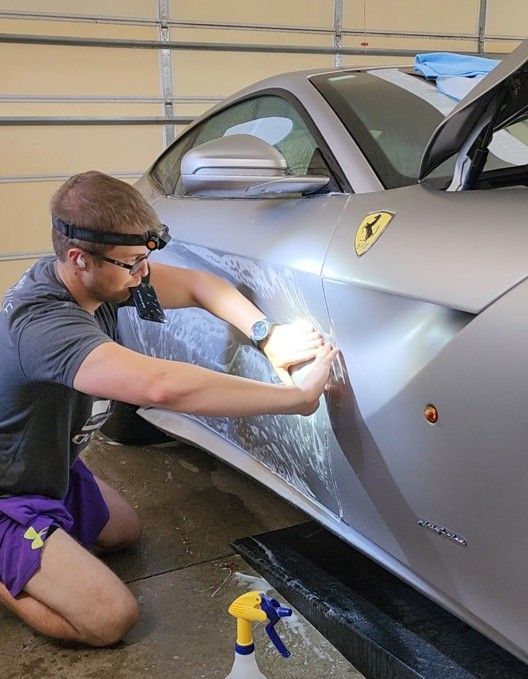
Professional application and preparation cannot be overstated when discussing durability. If your vehicle's surface isn't adequately prepped through proper paint correction and detailing before applying the coating, you risk creating a barrier that won't adhere properly. This improper adhesion can lead to premature failure, significantly reducing your investment's lifespan.
Curing time plays an equally important role. Most ceramic coatings require approximately 24 hours to cure effectively under ideal conditions. During this critical period, keeping your vehicle dry and contaminant-free is essential—even light rain or dust can compromise the integrity of your newly applied coating.
Ongoing maintenance is perhaps the most significant factor in extending your coating's life. Regular washing with pH-neutral automotive shampoos ensures harmful substances don't accumulate on the surface. Avoid harsh chemicals or traditional wax products, as these can diminish the coating's protective qualities over time.
Understanding these critical aspects empowers you to maximize your ceramic coating's performance and longevity while enjoying enhanced protection for your prized vehicle.
Key Factors Influencing Longevity
Quality: The Foundation of Protection
The first and most critical factor affecting your ceramic coating's lifespan is product quality. When investing in protection, remember that higher-quality coatings generally contain more SiO₂ (Silicon Dioxide), which enhances defense against environmental hazards. While premium ceramic coatings come with higher upfront costs, they prove worthwhile given their superior effectiveness at safeguarding your vehicle's paint.
A product boasting 70% SiO₂ concentration, for instance, can potentially provide up to five times more UV protection compared to lower-grade alternatives. This robust defense translates to less frequent reapplication and better long-term value for your investment.
Application Process: Professional vs. DIY
Professional application is like laying the foundation of a house—if it's not done meticulously, everything built upon it will encounter problems. This metaphor holds true for ceramic coatings; if the surface isn't properly prepared through intensive cleaning, paint correction, and polishing, the coating won't bond effectively, leading to premature failure.
Professional installers bring:
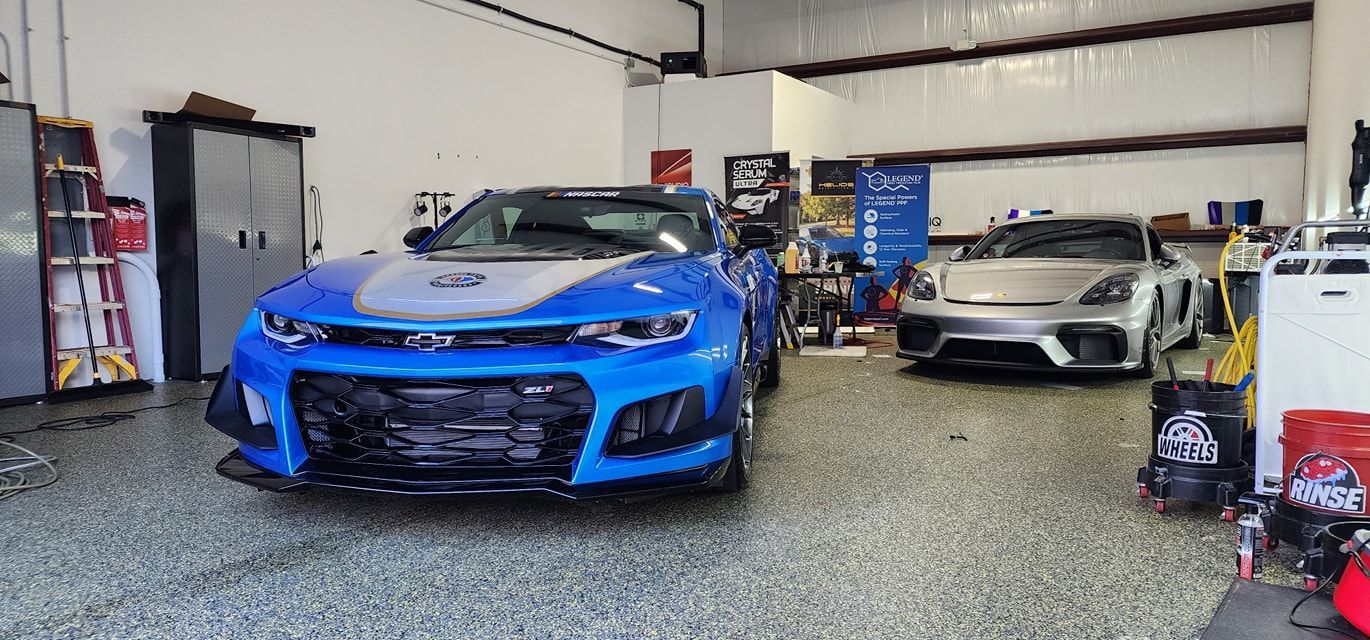
- Controlled environment conditions
- Specialized tools and techniques
- Extensive training and experience
- Quality assurance protocols
While DIY kits have gained popularity among car enthusiasts, they face inherent limitations:
- Lack of environmental controls
- Limited surface preparation capabilities
- Reduced product concentrations
- Higher risk of application errors
Care and Maintenance: Your Coating's Lifeline
Just as you nourish your body with quality nutrition, your vehicle needs proper care to maintain its protective coating. Regular washing using pH-neutral products preserves the integrity of ceramic coatings, while aggressive chemicals or abrasive materials can erode their effectiveness over time.
Environmental Considerations
Proper storage practices dramatically influence coating longevity. Vehicles frequently exposed to harsh conditions—direct sunlight, severe weather, or urban pollutants—will experience accelerated wear. Garage storage or quality vehicle covers can prevent unnecessary degradation from external factors.
These interconnected factors work together to determine your coating's performance. Understanding their relationship empowers you to make informed decisions that enhance longevity, ultimately giving your car that pristine appearance you desire for years to come.
Environmental Considerations
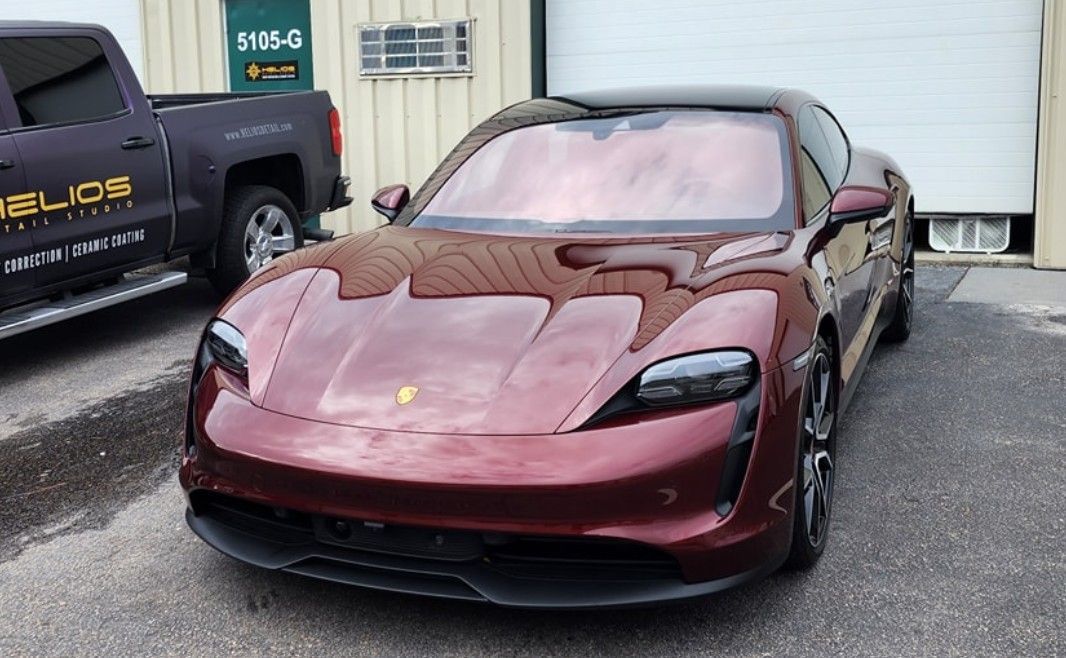
Proper storage practices dramatically influence coating longevity. Vehicles frequently exposed to harsh conditions—direct sunlight, severe weather, or urban pollutants—will experience accelerated wear. Garage storage or quality vehicle covers can prevent unnecessary degradation from external factors.
These interconnected factors work together to determine your coating's performance. Understanding their relationship empowers you to make informed decisions that enhance longevity, ultimately giving your car that pristine appearance you desire for years to come.
Environmental Impact on Coating Life
UV Exposure: The Silent Threat
One of the most significant threats to ceramic coating durability comes from harsh UV exposure. In sunny climates, relentless UV radiation breaks down the chemical bonds that give your coating its strength and protective qualities. Just as prolonged sun exposure affects your skin, your vehicle experiences similar degradation when subjected to continuous sunlight.
This process can leave your finish looking dull and worn, necessitating more frequent maintenance to preserve vibrancy and protection. Combat this by choosing products with UV stabilizers, which help shield your vehicle from harmful rays and extend your coating's life.
Pollution and Contaminants: Urban Challenges
Vehicles in urban environments face constant bombardment from pollutants including:
- Industrial fallout
- Bird droppings
- Acid rain
- Road salt and chemicals
These contaminants don't just mar your vehicle's appearance—they actively wear down your ceramic coating's effectiveness over time. City dwellers must be particularly vigilant about maintenance. Regular washing combined with quick detailer applications creates an additional protective barrier against these harmful substances.
Proactive Environmental Protection
Understanding these environmental challenges empowers you to take actionable steps:
- Schedule regular professional maintenance
- Use UV-resistant products
- Implement contamination control protocols
- Adjust care routines based on local conditions
Building this resilience ensures your vehicle remains protected while maintaining its aesthetic value over time.
Protect Your Car with Helios Detail Studio’s Professional Ceramic Coating
Professional ceramic coating ensures maximum durability, superior performance, and the confidence that comes with expert installation and ongoing support. For car owners in Wake Forest and nearby areas, trust the certified specialists at Helios Detail Studio —where technical precision meets true craftsmanship. Our professional-grade coatings are engineered for local conditions, from scorching summer sun to winter road salt, delivering unmatched gloss and long-lasting protection.
Schedule your appointment today and keep your vehicle looking showroom-new for years to come. Call us at 919-669-0268 or book online at Helios Detail Studio.