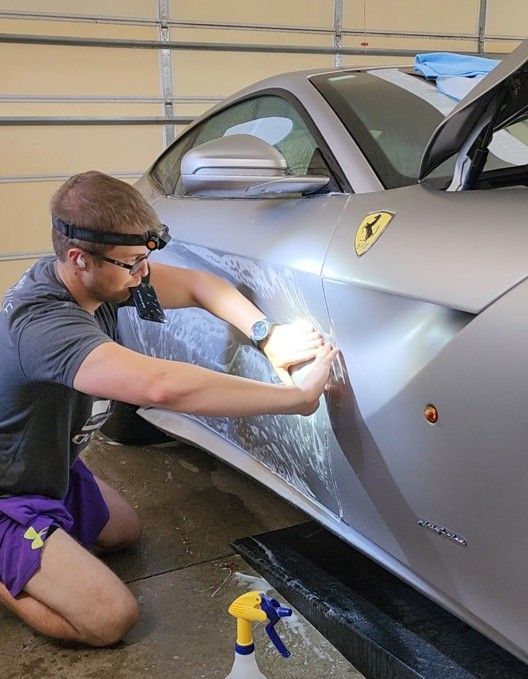
When considering auto window tinting for your vehicle, understanding the investment involved helps ensure you make the right choice for both your budget and your car's protection needs. Quality window tinting offers significant benefits, including UV protection, heat rejection, enhanced privacy, and a refined aesthetic that complements your vehicle's appearance.
Understanding Window Tinting Investment
Professional window tinting typically ranges from $300 to $800, depending on your vehicle type, film quality, and installation complexity. This investment reflects the expertise, premium materials, and precision required to achieve flawless results that enhance both your vehicle's performance and appearance.
Several factors influence the final cost of your window tinting project. Vehicle size plays a significant role—luxury sedans require different coverage than SUVs or trucks, with larger vehicles needing more material and specialized installation techniques. The number of windows being tinted also affects pricing, though most clients opt for complete coverage to achieve a uniform appearance and maximum protection. Location matters as well. Urban markets like Raleigh and Wake Forest typically reflect higher costs due to increased demand for premium automotive services and the expertise required to meet discerning client expectations.
Premium Film Types and Their Benefits
The type of tint film you choose significantly impacts both performance and investment level. Understanding these options helps you select the ideal solution for your specific needs.
- Dyed Films: It represents the entry-level option, providing basic heat absorption and UV protection. While more affordable, these films may fade over time and offer limited performance compared to premium alternatives.
- Metalized Films: They delivers enhanced durability and superior heat rejection through metallic particles embedded in the film. However, they can interfere with electronic signals, making them less suitable for vehicles with advanced navigation or communication systems.
- Carbon Films: They offer excellent balance, providing strong UV protection and heat rejection without signal interference. These films maintain color stability and deliver consistent performance over time.
- Ceramic Films: They represent the premium standard in window tinting technology. These films provide exceptional UV protection and heat rejection without any metallic components that could affect your vehicle's electronics. While requiring a higher initial investment, ceramic films deliver superior long-term performance and durability.
- Premium films: They justify their cost through enhanced protection, superior aesthetics, and longevity that maintains your vehicle's value over time.


Professional Installation vs. DIY Considerations
When weighing installation options, consider both immediate costs and long-term results. Professional installation ensures precision application, proper adhesion, and a flawless appearance that matches your vehicle's premium standards. Professional installers bring expertise in handling various vehicle types and challenging window configurations. They understand proper preparation techniques, application methods, and finishing processes that deliver showroom-quality results. Most professional installations include warranty coverage, providing peace of mind and protection for your investment.
DIY kits may appear cost-effective initially, typically priced between $50 and $150. However, this approach carries significant risks, including improper application, bubbling, peeling, and uneven appearance. Installation errors often require professional correction, ultimately increasing overall costs while compromising your vehicle's appearance. For luxury and high-end vehicles, professional installation is essential to maintain the quality standards your vehicle deserves. The precision and expertise required for flawless results make professional installation the preferred choice for discerning vehicle owners.
Legal Compliance and UV Protection
Window tinting regulations vary by state, making compliance essential for both legal operation and optimal performance. In North Carolina, front side windows must allow at least 35% light transmission, while rear windows and the rear windshield can be tinted darker. The windshield tint is restricted to the top five inches. Understanding these regulations ensures your tinting meets legal requirements while maximizing benefits. Compliance prevents potential citations and ensures your vehicle remains roadworthy with proper visibility for safe operation.
Beyond legal considerations, quality window tinting provides exceptional UV protection, blocking up to 99% of harmful ultraviolet radiation. This protection benefits both occupants and your vehicle's interior, preventing fading and deterioration while reducing heat buildup that can affect comfort and air conditioning efficiency.
Market Investment Ranges
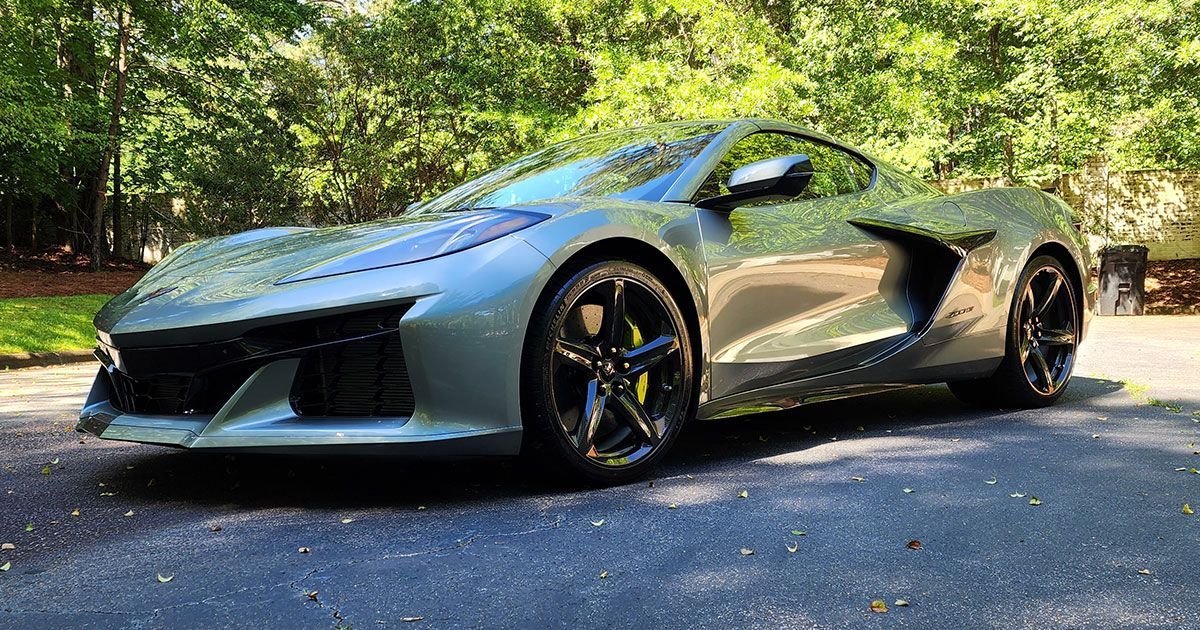
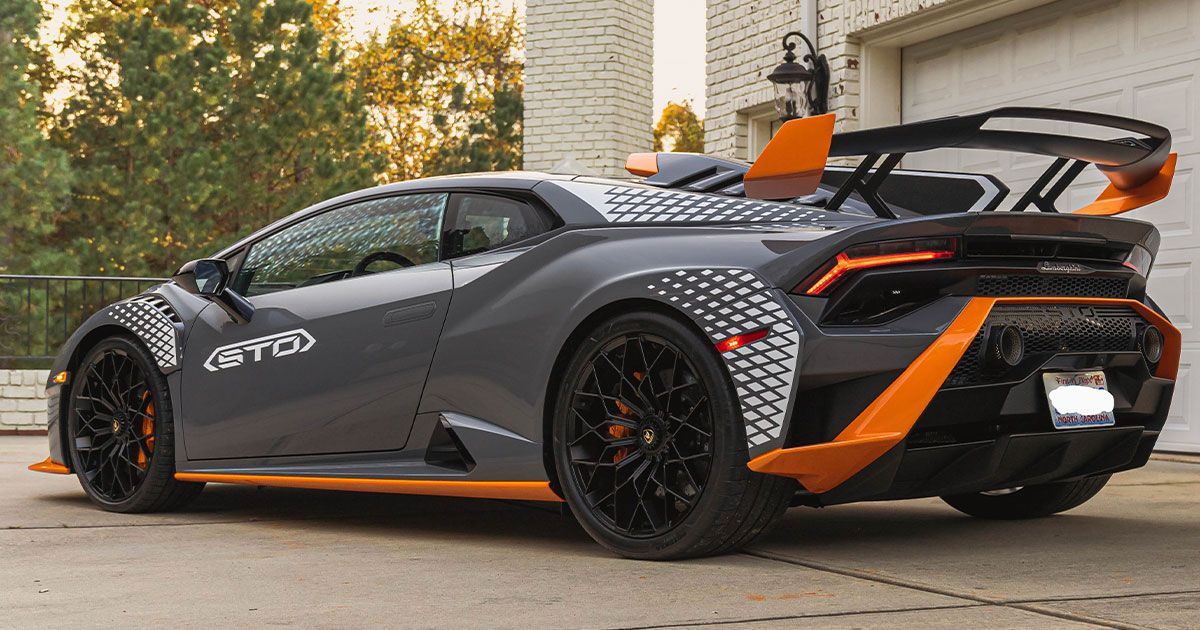
Window tinting investments vary based on vehicle type and service level. Sedans typically range from $300 to $500 for professional installation with quality films. SUVs and trucks generally require $450-$700 due to increased window area and installation complexity. Luxury and exotic vehicles may require specialized techniques and premium films, reflecting higher investment levels. Geographic location influences pricing, with metropolitan areas like Raleigh commanding premium rates that reflect both market demand and the expertise required for high-end vehicle service. This investment reflects the specialized knowledge, quality materials, and precision craftsmanship necessary to deliver results that meet luxury vehicle standards.
Selecting Professional Service
Choosing the right service provider ensures optimal results and long-term satisfaction. Research potential installers thoroughly, reviewing their experience with luxury and high-end vehicles. Examine examples of their work, particularly on vehicles similar to yours.
Verify that your chosen installer offers comprehensive warranty coverage that protects against issues like bubbling, peeling, and fading. Quality installers stand behind their work with substantial warranties that demonstrate confidence in their materials and craftsmanship. Consider the installer's facility and equipment. Professional operations use climate-controlled environments and specialized tools that ensure optimal installation conditions and superior results.
Maximizing Your Tinting Investment
Quality window tinting represents a valuable investment in your vehicle's comfort, protection, and appearance. Premium films and professional installation deliver benefits that extend far beyond the initial cost, including reduced interior temperatures, UV protection that preserves your vehicle's interior, enhanced privacy, and refined aesthetics that complement your vehicle's design. When evaluating options, consider the long-term value of professional installation with premium materials. While initial costs may be higher, the superior performance, durability, and warranty protection make professional tinting the optimal choice for vehicles that demand the highest standards.
Professional window tinting enhances your driving experience while protecting your investment. The combination of expert installation, premium materials, and comprehensive warranty coverage ensures results that meet the exacting standards of luxury vehicle ownership. For vehicle owners who appreciate quality and understand the importance of proper automotive protection, professional window tinting represents an essential investment in maintaining your vehicle's appearance, comfort, and value for years to come.
Professional Window Tinting Services in Wake Forest, NC
Give your vehicle the protection it deserves with
expert window tinting from Helios Detail Studio in Wake Forest, NC. Our precision-installed films not only enhance privacy and curb glare but also guard your interior against harmful UV rays and North Carolina’s relentless heat. Whether you’re aiming for a sleek appearance or a cooler, more comfortable drive, our team delivers flawless results with every tint.
Schedule your appointment today and experience the perfect blend of function and style!