PPF: Is It Worth It for Daily Drivers or Only Luxury Cars? A Complete Guide
Whether you drive a trusty commuter car or a high-end luxury vehicle, keeping your paint in great shape can feel like a constant battle. Paint Protection Film (PPF) is something you may have heard about but wondered if it is really worth the cost, especially for everyday use. This guide breaks down what PPF does, how it benefits different types of vehicles, and why it might be a smart, long-term choice no matter what you drive. We have pulled together expert insights, real cost data, and practical maintenance guidance to help you make an informed decision before committing to this investment.
PPF benefits both daily drivers and luxury cars, protecting against rock chips, scratches, and environmental damage. Daily drivers benefit from reduced wear and repair costs, while luxury vehicles gain stronger resale value and superior finish preservation. It is a worthwhile investment regardless of vehicle class.
What Is Paint Protection Film (PPF) and How Does It Work?
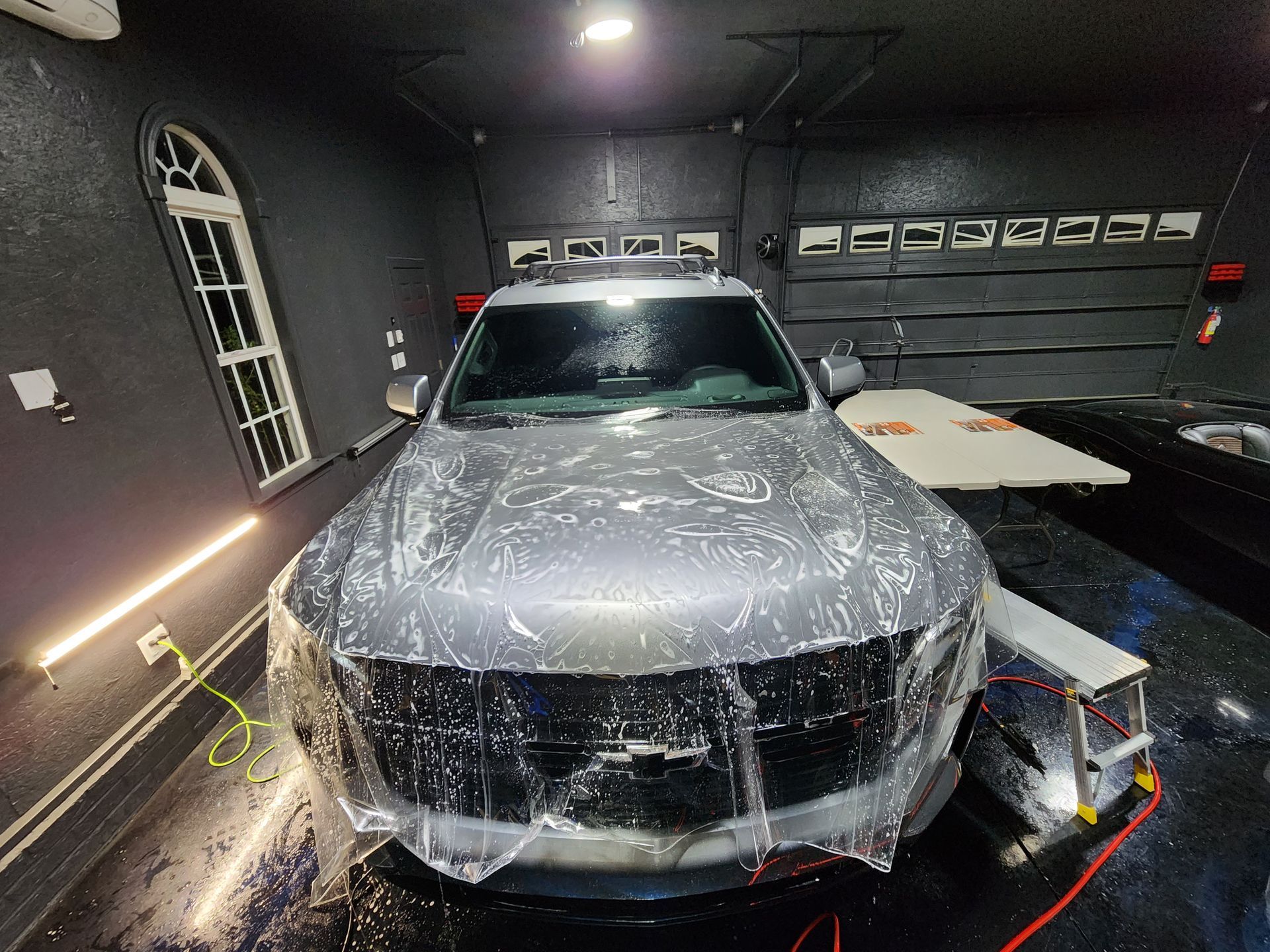
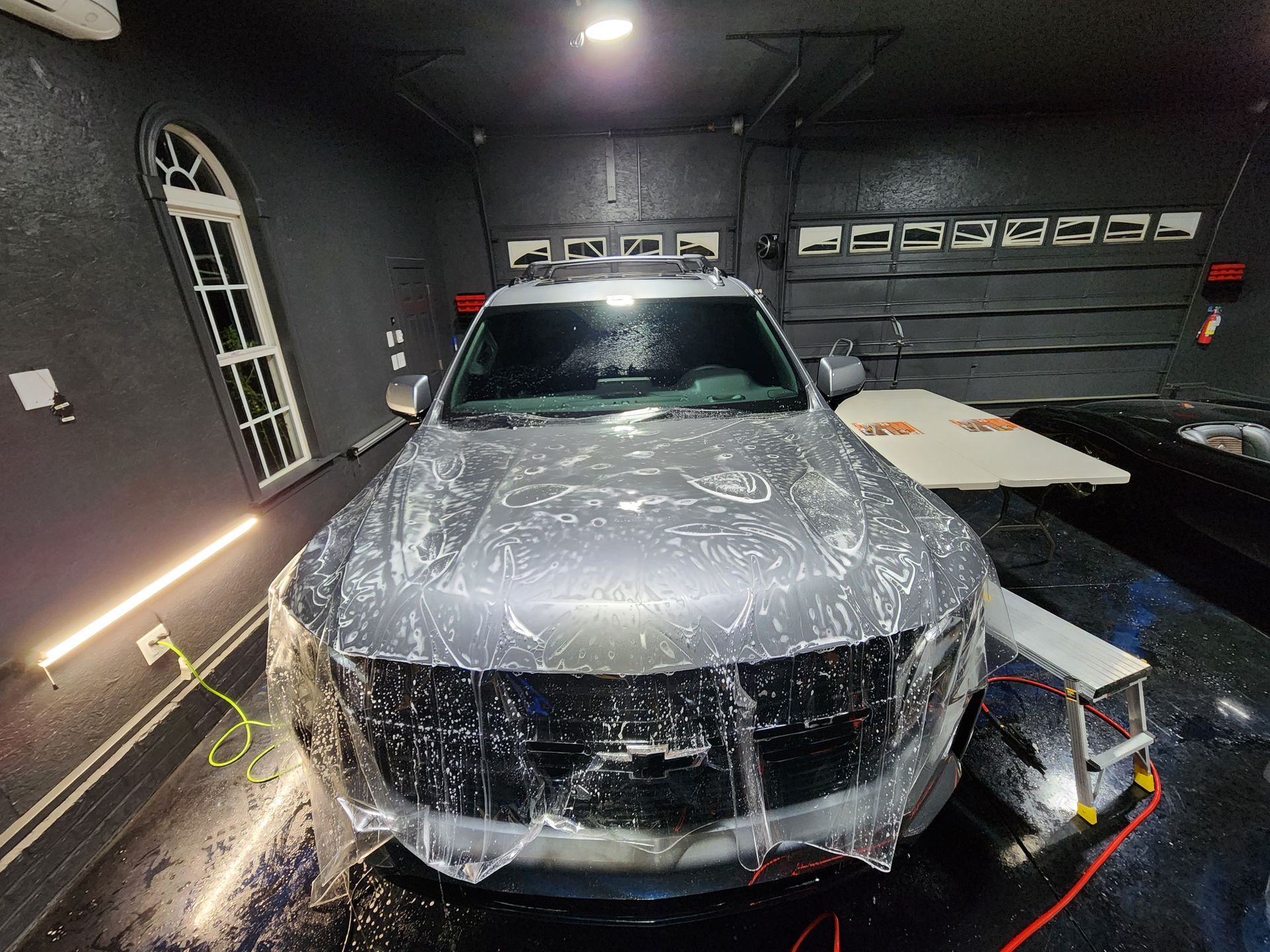
Paint Protection Film is a clear, tough shield that sits on top of your vehicle’s paint, acting as invisible armor against everyday hazards: rocks flying up on the highway, scratches, UV fading, bird droppings, and tree sap. Unlike traditional waxes, PPF forms a resilient physical barrier rather than just a surface coating.
Leading brands manufacture films tailored for a range of needs. Many modern films include self-healing properties, where minor scratches disappear when exposed to heat from sunlight or warm water. This keeps the surface looking clean without constant touch-ups. Most importantly, PPF acts as a sacrificial layer, absorbing daily impacts so your original factory finish stays intact beneath it. Because the film takes the damage rather than the paint, it preserves both the aesthetic appeal and the long-term value of your vehicle.
Key Benefits of Paint Protection Film for Long-Term Protection
Protects Resale Value
A vehicle’s paint condition is often the first thing potential buyers assess. Vehicles equipped with PPF tend to retain 10 to 15 percent higher resale values compared to unprotected cars. According to Kelley Blue Book and multiple automotive market studies, professionally installed paint protection film reduces visible blemishes and increases buyer confidence years after purchase. Dealers consistently note that PPF-protected cars present better than comparable models without it.
Reduces the Need for Repainting
Repainting any section of your car involves prep work, materials, labor, and time off the road. Car PPF serves as a sacrificial barrier, absorbing chips and abrasions before they reach the factory finish. For daily drivers who face continuous exposure to road debris, this can mean fewer body shop visits and significantly lower maintenance costs over time. The self-healing technology in many modern films takes care of light surface scratches automatically.
Daily Drivers vs. Luxury Cars: How PPF Applies to Each
Daily drivers encounter more road debris, salt, and environmental fallout than vehicles used sparingly. The cumulative effect of chips and scratches is not just cosmetic; left unaddressed, paint damage can lead to rust and long-term structural deterioration. PPF provides a durable shield that absorbs these impacts, making it especially practical for vehicles that see heavy daily use without the shelter of a garage.
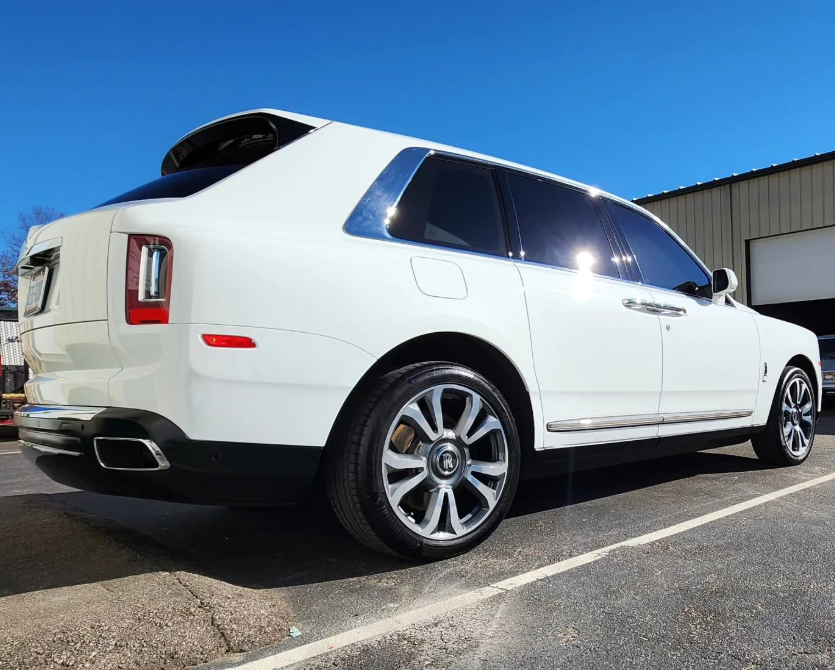
Luxury vehicles, on the other hand, feature high-grade specialty coatings that can cost thousands of dollars to repair or restore. For these cars, PPF is less about everyday practicality and more about protecting a significant financial asset. Dealers frequently cite existing PPF as a marker of careful ownership, directly boosting buyer confidence and resale premiums.
| Factor | Daily Drivers | Luxury Cars |
|---|---|---|
| Exposure to Hazards | High (chips, salt, debris) | Moderate (more cautious use) |
| Recommended Coverage | Partial: hood, bumper, mirrors | Full-body with premium film |
| Installation Cost | $500 to $1,500 | $2,000 to $6,000 |
| Repair Cost Savings | Approx. $200 to $400 annually | Approx. $1,000 to $3,000 annually |
| Resale Value Increase | 3 to 5 percent | 7 to 12 percent |
| Warranty Coverage | 5 years | Up to 10 years |
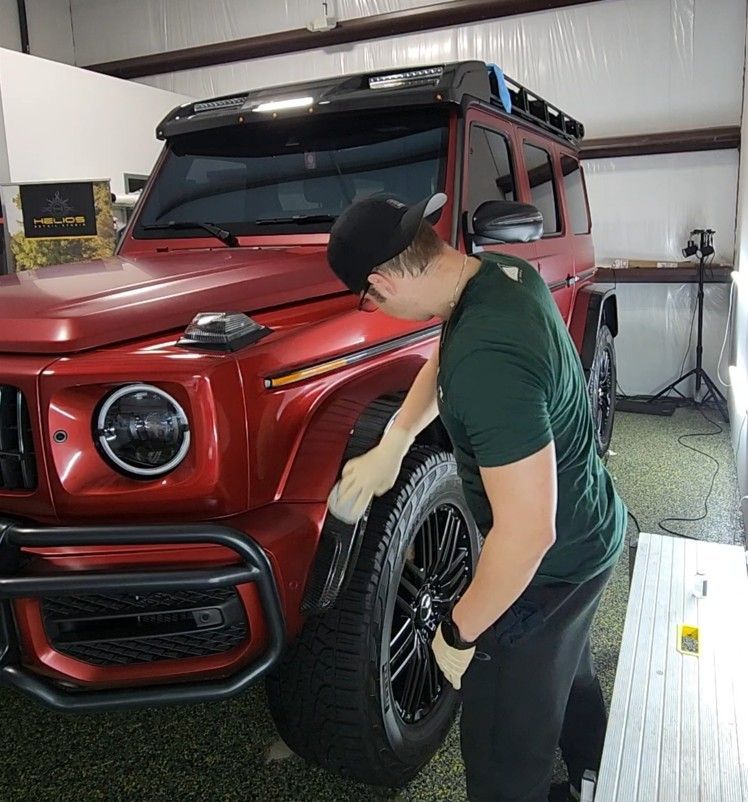
One experienced detailer at Helios Detail Studio puts it plainly: “Because when you drive day in and day out through unpredictable conditions, having that extra layer means you don’t have to constantly worry about the little things ruining your finish.”
PPF Cost Breakdown: What You Can Expect to Pay
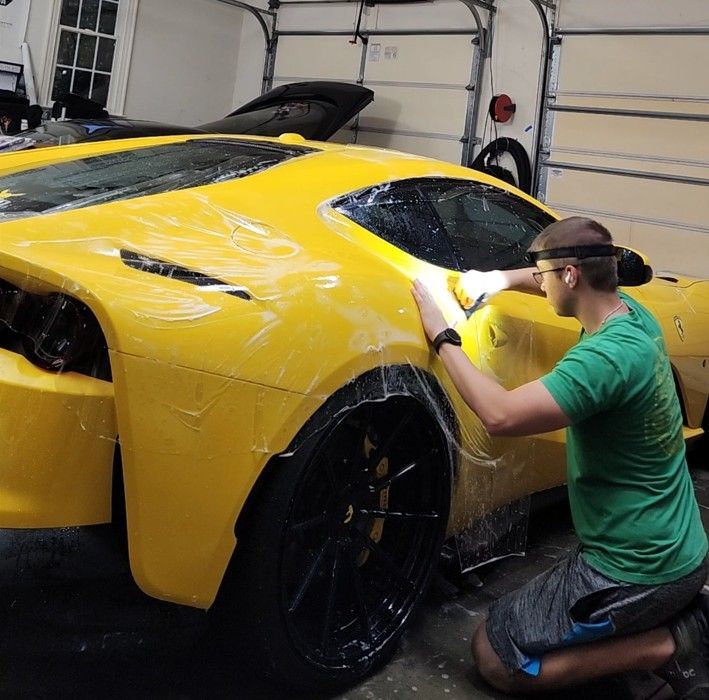
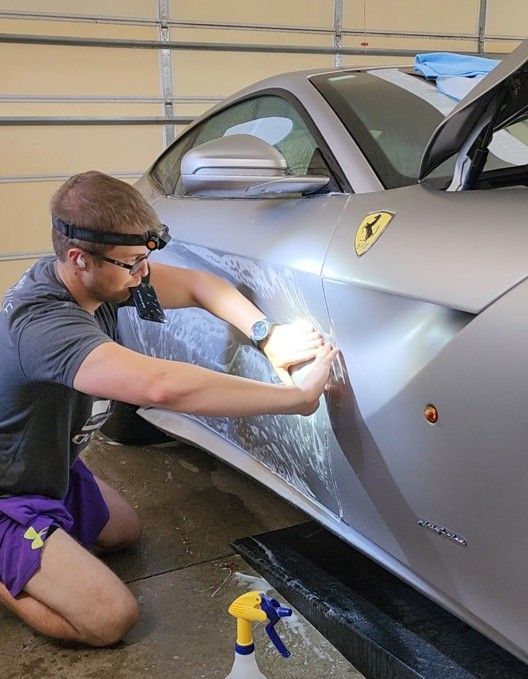
PPF pricing reflects the coverage area, film quality, labor intensity, and vehicle size. The investment ranges from around $500 for partial front coverage on a daily driver to over $5,000 for full-body protection on a luxury vehicle. Certified installers typically charge 15 to 30 percent more than non-certified shops, but that premium translates to stronger warranties, more precise fitment, and superior long-term results. Larger vehicles like SUVs and trucks can see costs increase by 20 to 40 percent due to additional material and labor requirements.
Over a typical five-year span, owners with quality PPF spend considerably less on paint repair, since the film absorbs the bulk of everyday damage. Touch-ups or repaints without protection can cost upward of $1,500 per panel. Paint correction, if required before installation, adds between $500 and several thousand dollars depending on the current condition of the finish. An optional ceramic coating applied over PPF further enhances shine and hydrophobic performance without replacing the film’s chip resistance. When viewed over time, the math consistently works in PPF’s favor for owners planning to keep their vehicle for three or more years.
How to Maintain Paint Protection Film for Maximum Lifespan
Proper care ensures your PPF remains effective throughout its five-to-ten-year lifespan. The key habits are straightforward: wash with a mild, pH-neutral shampoo and a soft microfiber cloth, and never use automatic car washes with rotating brushes, which can degrade even high-quality film over time. Schedule a professional inspection every six to twelve months to catch any lifting edges, small tears, or early signs of discoloration before they compromise the paint beneath.
Additional expert recommendations from the team at Helios Detail Studio:
- Dry the car after every wash with a soft microfiber towel to prevent water spotting.
- Apply a PPF-compatible sealant or ceramic coating every six to twelve months to maintain hydrophobic properties and gloss.
- Park in shaded or covered areas when possible to slow UV-related aging and yellowing.
- Use only PPF-safe waxes. Avoid products with abrasive or solvent-based formulas.
Is PPF Worth It for Your Car? Key Factors to Consider
The right PPF decision depends on how your vehicle is used, where it is driven, and how long you plan to own it. Drivers who regularly travel highways, park outdoors, or live in climates with intense sun or frequent hail have the most to gain from PPF. Those with shorter commutes and covered parking may find that periodic ceramic coatings meet their needs, though minor chips still accumulate over time and can compound into larger repair costs.
Financially, PPF rewards patience. The upfront cost is real, but so are the long-term savings on bodywork, the protection of resale value, and the reduction in maintenance headaches. Coverage level is a strategic choice: full-body wraps suit luxury vehicles and long-term owners, while targeted protection on hoods, bumpers, and mirrors offers strong value for everyday drivers on a tighter budget. Pairing PPF with a ceramic coating adds hydrophobicity and ease of cleaning, a combination that professional detailers consistently recommend for maximum paint longevity.
| Factor | Consideration | Impact on Decision |
|---|---|---|
| Driving Conditions | Highway and rural roads vs. city commutes | Higher impact exposure strengthens the case for PPF |
| Climate Exposure | Sun intensity, acid rain, hail frequency | Harsh climates justify the investment |
| Coverage Level | Partial vs. full vehicle | Budget vs. maximum protection |
| Vehicle Type | Daily driver vs. luxury or investment-grade model | Scales with resale value potential |
| Financial Outlook | Upfront cost vs. avoided repairs and resale gains | Long-term balance favors PPF for multi-year owners |
Protect Your Car’s Paint Before Damage Starts
Your vehicle faces daily exposure to rock chips, road debris, UV rays, and environmental contaminants. Whether you drive a daily commuter or a high-end luxury car, paint damage adds up faster than you think - and repair costs can quickly exceed the investment in protection.
At Helios Detail Studio, our certified team installs premium car paint protection film with precision, ensuring long-lasting durability, clarity, and a flawless finish. We help you choose the right coverage based on how and where you drive, so you get maximum value from your investment.
Don’t wait until chips and scratches lower your car’s value.
Call 919-669-0268 or schedule your appointment online to get expert recommendations tailored to your vehicle and driving habits.
FAQs
How long does PPF last on a daily driver?
High-quality Paint Protection Film typically lasts between 5 to 10 years. Its lifespan depends on driving conditions, maintenance habits, and exposure to sunlight. Daily drivers may see slightly faster wear, but proper care significantly extends durability.
Is PPF a good investment if I plan to sell my car in a few years?
Yes, PPF can increase resale value by keeping the paint in better condition. Even if you sell within 2 to 3 years, buyers are more likely to pay a premium for a vehicle with minimal paint damage and a well-maintained finish.
Can PPF be applied to older or used cars?
Yes, but paint condition matters. Most vehicles require paint correction before installation to ensure the film bonds properly and looks flawless. Applying PPF over damaged paint can lock in imperfections.
Does PPF require special maintenance?
PPF is relatively low maintenance. Regular washing with a pH-neutral shampoo and avoiding abrasive cleaning methods is usually enough. Adding a ceramic coating on top of PPF can make cleaning even easier and improve water repellency.
Is full-body PPF necessary, or is partial coverage enough?
It depends on your budget and driving habits. Partial coverage on high-impact areas like the hood, bumper, and mirrors is often enough for daily drivers. Full-body PPF is ideal for luxury vehicles or owners who want maximum protection.
Will PPF affect the appearance of my car?
No, high-quality PPF is virtually invisible and enhances the gloss of your paint. Some options even offer a satin or matte finish for a custom look without repainting.
What happens if PPF gets damaged?
PPF is designed to absorb damage. If a section gets heavily scratched or chipped, it can be replaced without affecting the original paint underneath, making repairs much easier and more affordable.