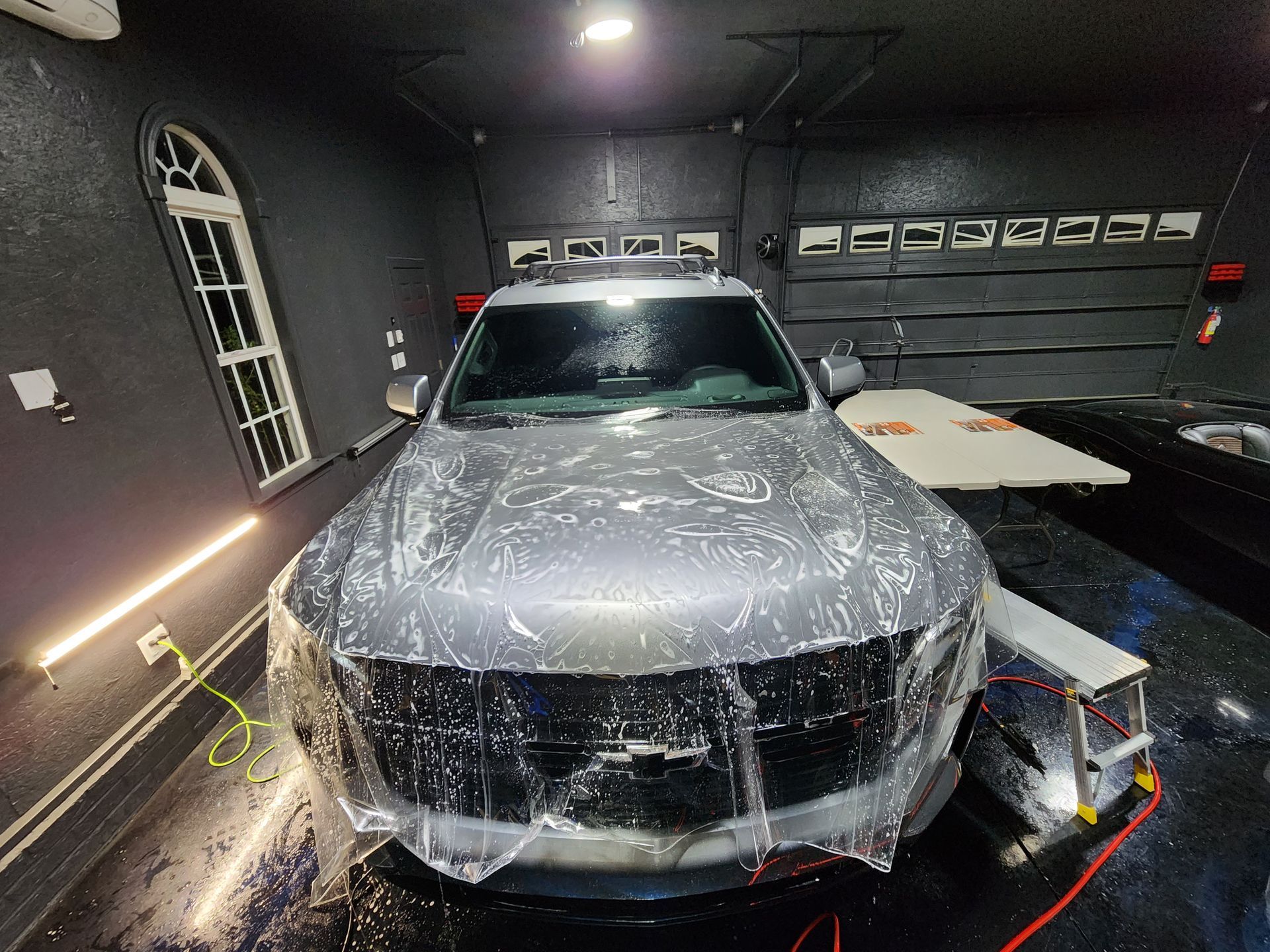
Full Vehicle PPF vs Partial Coverage: Which Is Better? A Complete Comparison Guide
Choosing the right way to protect your car's paint might seem simple at first. Just cover it or don't, right? But when you dig deeper, there is a lot more to consider between covering the entire vehicle versus just the spots that get hit most. Both full and partial paint protection films (PPF) have their perks and trade-offs, depending on how you drive, your budget, and what kind of results you want. In this guide, we will break down exactly what each option offers so you can make a clear choice without the guesswork.
The choice between full vehicle PPF and partial coverage depends on your specific needs, budget, and intended use. Full coverage offers seamless, edge-free protection for all painted surfaces, providing maximum defense against chips, scratches, UV damage, and enhancing resale value, making it ideal for luxury or new vehicles. Partial coverage focuses on high-risk areas like the front bumper and hood for a more affordable, quicker installation but with less comprehensive protection.
Overview of Full and Partial Vehicle PPF
Paint Protection Film, or PPF, is essentially an invisible armor for your car's paint. When you opt for full coverage, every painted surface, from hood to rear bumper, side doors to roof, is wrapped in a clear, urethane-based film. It shields your car's finish from rock chips, scratches, UV rays, and chemical stains. Because it is continuous without visible edges interrupting the paintwork, full coverage preserves the vehicle's appearance as if it were fresh off the showroom floor.
Partial coverage focuses on the most vulnerable parts of the car: the front bumper, hood, side mirrors, and occasionally the front fenders. Partial PPF gives you significant protection where it is needed most but leaves the rest of your car exposed. The benefit is cost savings, as partial installations require less film and less time to apply. However, because partial coverage ends abruptly, sometimes mid-panel, you might notice dirt collecting along those edges, especially on lighter-colored vehicles.
The decision also hinges on your vehicle's usage habits. Highway and rural road drivers face higher paint damage risk and benefit more from full coverage. City drivers with shorter commutes might find partial coverage sufficient. Weather and parking environments matter too. Cars parked outdoors under harsh sun or near trees benefit from the UV resistance that full coverage provides.
| Feature | Full Coverage | Partial Coverage |
|---|---|---|
| Area Covered | Entire painted surfaces | High-risk zones (bumper, hood, mirrors) |
| Installation Time | 2-4 days | 1-2 days |
| Cost | $2,500 - $6,000+ | $700 - $2,000 |
| Appearance | Seamless with hidden edges | Visible edges at coverage boundaries |
| Protection Level | Maximum against chips, and UV | Moderate; focused on front-facing damage |
| Recommended For | Luxury/exotics and long-term owners | Everyday drivers and budget-conscious owners |
| Resale Value Impact | High (5-10% potential increase) | Moderate |
Both types of PPF share maintenance needs. Proper washing techniques and regular care preserve their clarity and self-healing properties. Applying a ceramic coating over PPF enhances gloss and ease of cleaning but does not substitute for physical impact protection.
Areas Protected by Full and Partial PPF
Full coverage wraps nearly every painted surface, including the hood, front fenders, doors, roof, rear panels, trunk, bumper, and sometimes smaller components like door handles and rocker panels. This comprehensive approach means virtually all areas exposed to environmental hazards are shielded.
Partial coverage focuses on sections that encounter the most frequent impact risk. Typically included are the front bumper, partial hood (usually the leading half facing incoming debris), side mirrors, and front fenders. These spots take the brunt of gravel strikes, bug splatter, and parking lot dings.
An important aspect lies in the film edges. With partial coverage, exposed edges exist where the film stops, creating potential areas where dirt can build up or peeling can begin. Full coverage eliminates this issue by hiding edges under panel seams for a seamless, easier-to-maintain finish.
Advantages and Disadvantages of Full Vehicle PPF
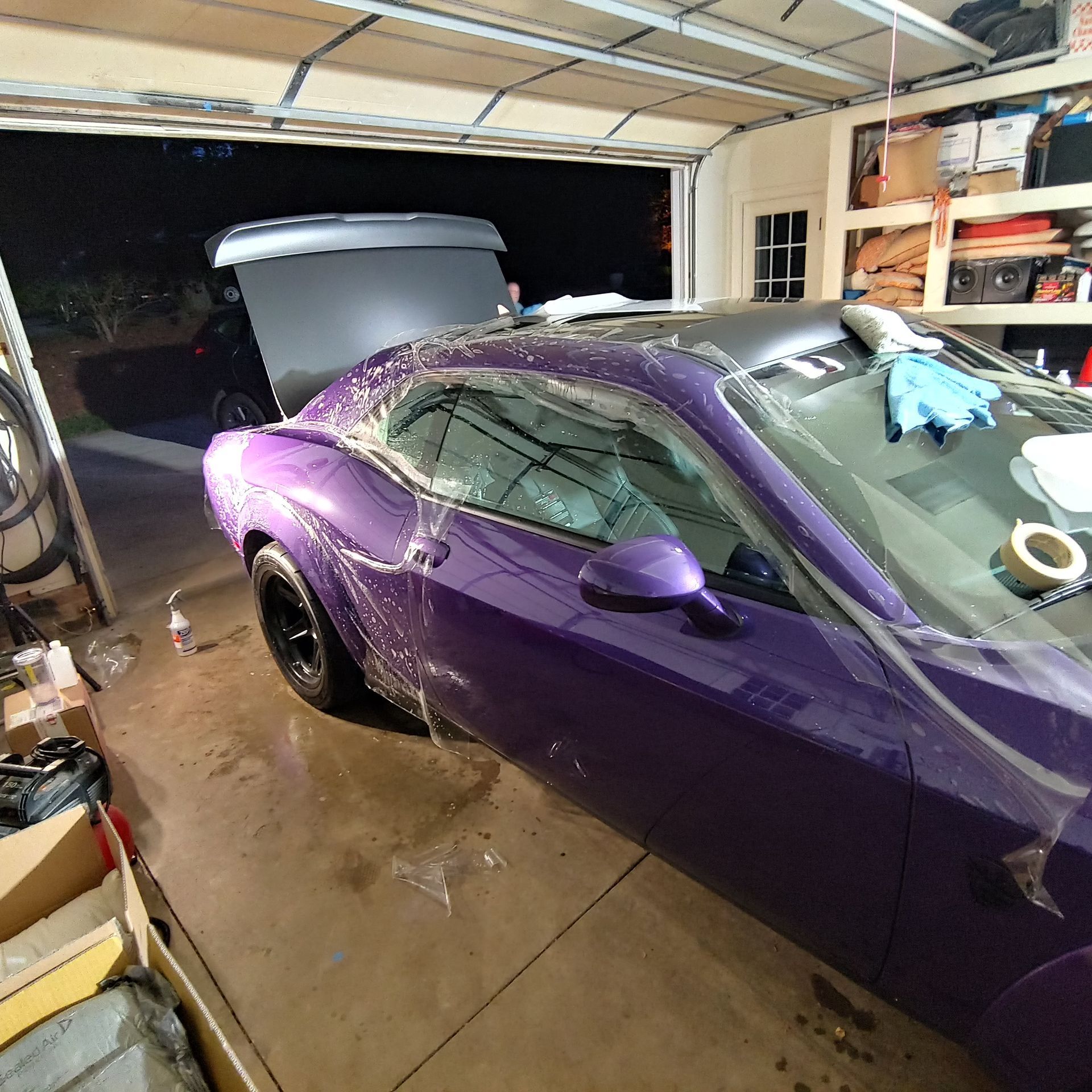
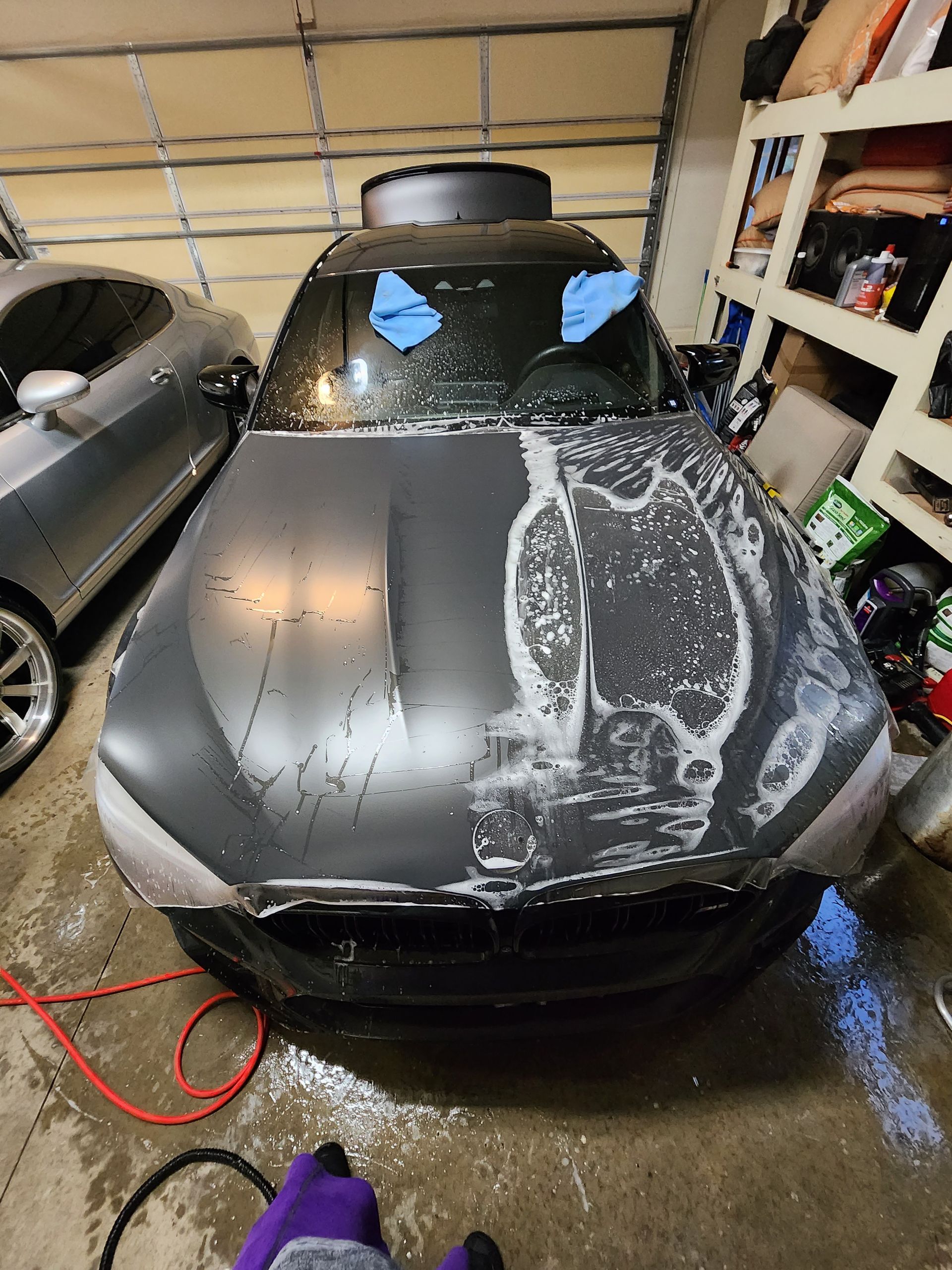
Full vehicle PPF offers unmatched protection by enveloping every painted surface in a durable, invisible shield. It eliminates visible edges common in partial installations, giving your vehicle a flawless finish that preserves its showroom appearance. For owners of luxury or exotic cars, this is about safeguarding an investment, not just aesthetics.
Full coverage can reduce depreciation by as much as 15%, offering a tangible financial advantage at resale. The film is engineered to self-heal minor scratches when exposed to heat, and many products come with warranties extending up to a decade.
However, full PPF requires a significant upfront investment of $2,500 to $6,000 and installation takes two to four days. Maintenance requires avoiding abrasive cleaners, and future removal can cost $500 to $1,000. Despite these considerations, many enthusiasts find the long-term benefits justify the initial expense, as it often saves owners costly paint repairs down the line.
Pros and Cons of Partial Vehicle PPF
Partial PPF stands out for its affordability, typically costing less than half of full coverage. PPF installation is quicker, usually completed within a few hours. This makes it excellent for daily drivers who want to guard against rock chips and road debris in the spots that bear the brunt of wear.
Partial PPF suits cars that do not face extreme conditions daily. If you mostly drive in city traffic or park in protected garages, full coverage might be unnecessary. Many modern films are so thin and well-applied that partial wraps are almost invisible unless inspected closely.
The trade-offs require consideration, though. Edges where the film stops can collect dirt or peel over time. Uncovered areas remain vulnerable to scratches, UV damage, and environmental exposure, meaning you will still need to maintain unprotected surfaces. For enthusiasts prioritizing flawless aesthetics or resale value, these gaps might prove undesirable. Consider pairing partial PPF with ceramic coatings on uncovered panels to help shield paint from UV fading and minor scratches.
Factors to Consider When Choosing Coverage
Budget is often the first consideration. Full coverage provides comprehensive peace of mind but at a higher price. Partial coverage focuses on high-risk areas for effective defense at a lower cost.
Vehicle type matters significantly. Luxury and exotic cars benefit tremendously from full PPF, preserving showroom shine and resale value. For daily drivers or older vehicles, partial coverage covers the essentials without the premium price.
Driving conditions should heavily influence your choice. Highway travel, gravel roads, and construction zones create more paint damage risk, making full coverage worthwhile. Urban driving with lower speeds and less debris makes partial PPF a practical option.
Ownership duration rounds out the decision. Long-term owners and those planning premium resale benefit from full coverage. Those expecting to replace their car within a few years might find partial coverage a sensible compromise.
At Helios Detail Studio, we help tailor your paint protection strategy based on these factors. Our consultations ensure you select a solution that fits your lifestyle, budget, and vehicle perfectly.
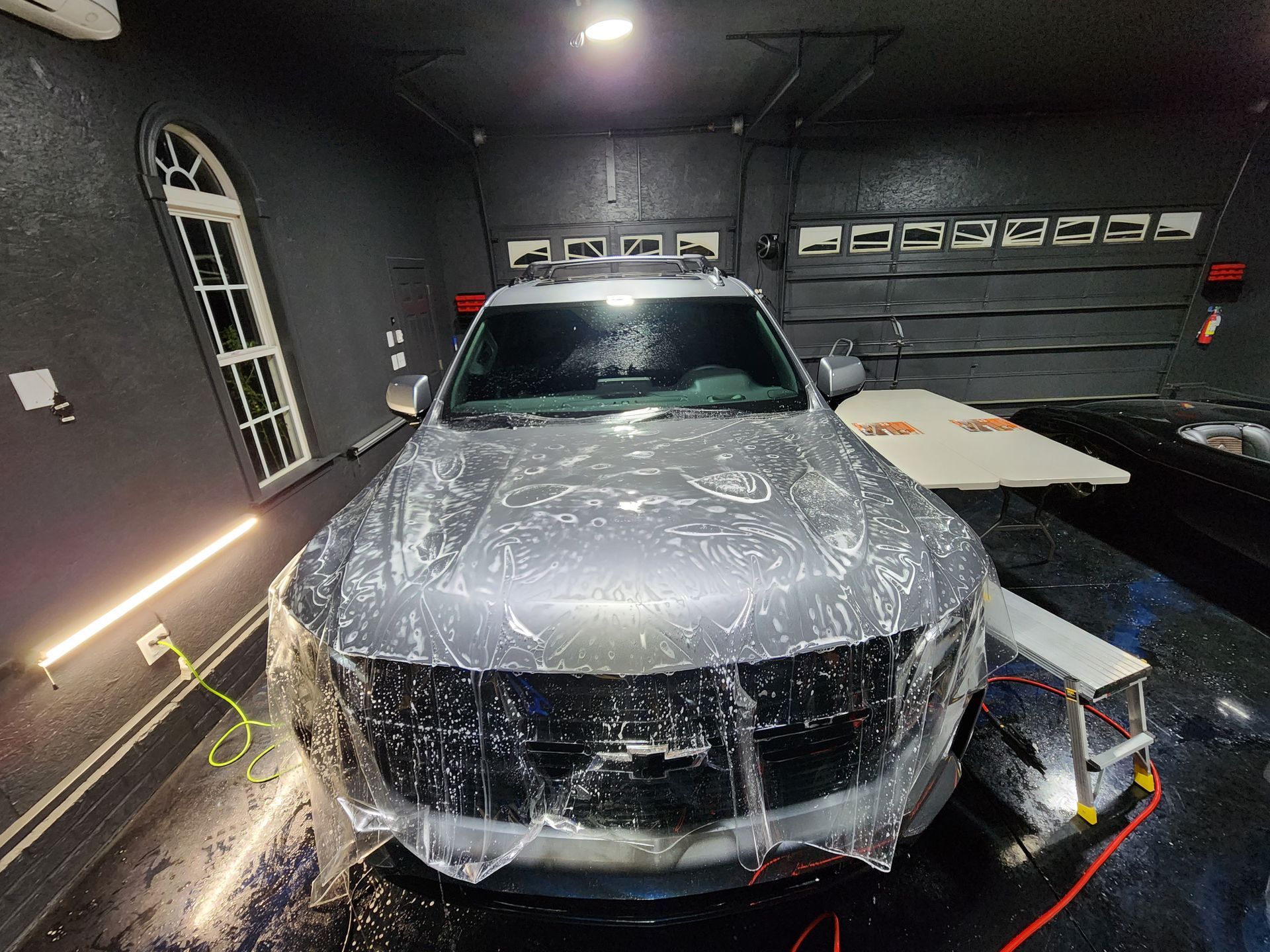
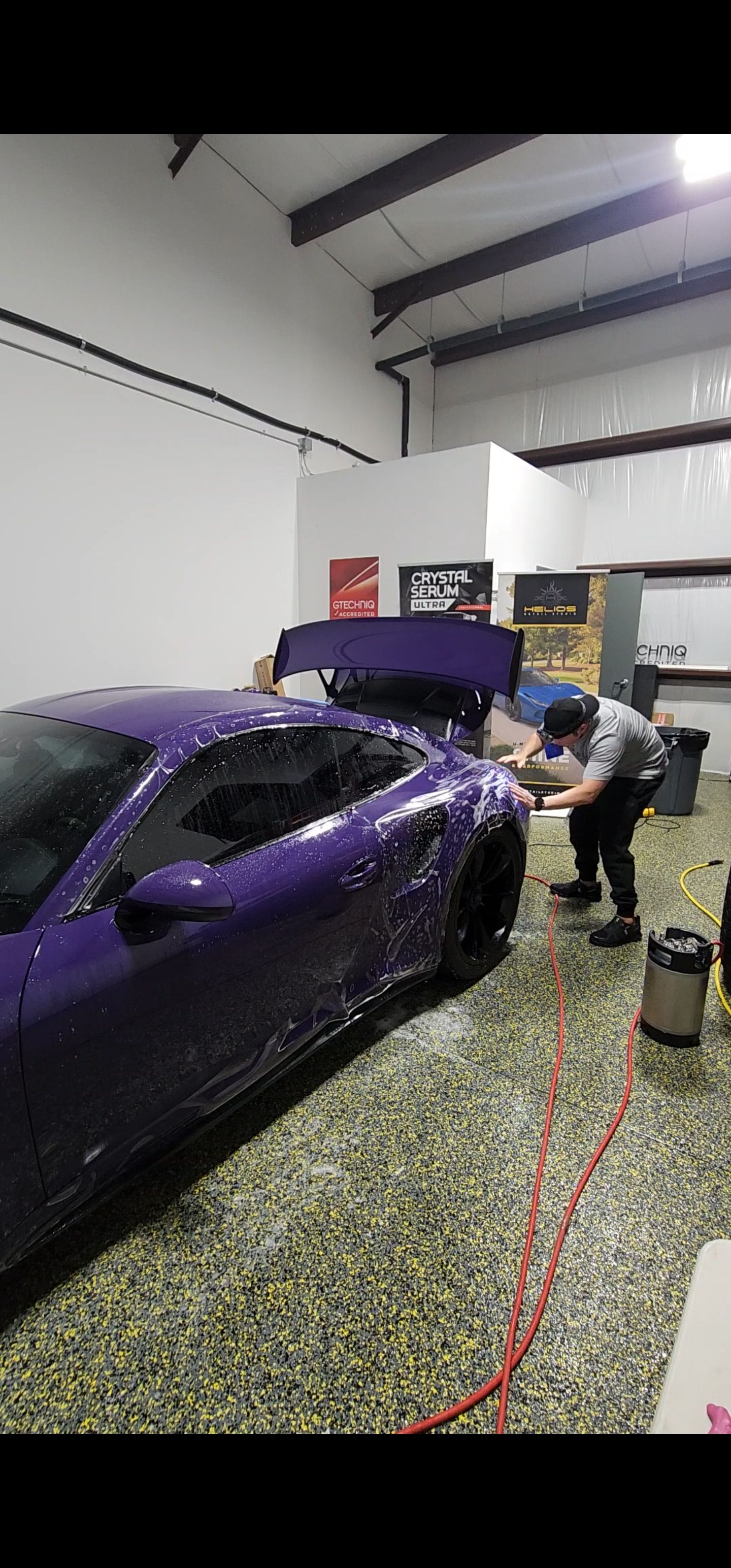
Protect Your Car with the Right PPF Coverage Today
Don’t leave your vehicle’s paint vulnerable to chips, scratches, or UV damage. Whether you choose full or partial coverage, professional installation ensures seamless protection and lasting results.
Call 919-669-0268 or schedule your appointment online to get expert guidance and a custom PPF plan for your car. Protect your investment and keep your vehicle looking showroom-fresh for years to come.
FAQs on Full vs Partial PPF Coverage
1. What is the main difference between full and partial PPF coverage?
Full coverage protects every painted surface of your vehicle, offering maximum defense against chips, scratches, and UV damage. Partial coverage targets high-risk areas like the front bumper, hood, and side mirrors, providing focused protection at a lower cost.
2. How long does PPF installation take for full vs partial coverage?
Full coverage usually takes 2 - 4 days due to the precision required on every surface. Partial coverage can typically be completed in 1 - 2 days since it focuses on high-impact zones only.
3. Does PPF require special maintenance?
Yes. Both full and partial PPF need regular washing with non-abrasive methods. Applying a ceramic coating over PPF can enhance gloss, water repellency, and ease of cleaning, but it does not replace the physical protection of the film.
4. Can PPF protect against all types of paint damage?
PPF is highly effective against rock chips, scratches, bug splatter, and minor abrasions. However, it does not prevent major dents or deep collisions, which require body repairs.
5. How does PPF affect my vehicle’s resale value
Full coverage can improve resale value by preserving the original paint and reducing visible wear. Partial coverage protects key areas but offers less overall value protection.
6. Is PPF removable if needed?
Yes, professional installers can safely remove PPF without damaging the paint, allowing for replacement or upgrades when necessary.
7. Which vehicles benefit most from full PPF?
Luxury, exotic, or brand-new vehicles benefit the most from full coverage, as it protects high-value investments and maintains showroom-quality paint for longer periods.
8. Can I combine partial PPF with ceramic coating?
Absolutely. Partial PPF combined with ceramic coating on unprotected panels provides additional UV and chemical resistance, enhancing overall protection and appearance.